How to Fix a Chipped Tooth: Options at Every Price Point

From dental bonding to veneers, discover every chipped tooth repair option available — what each involves, when it suits you, and how to choose wisely.
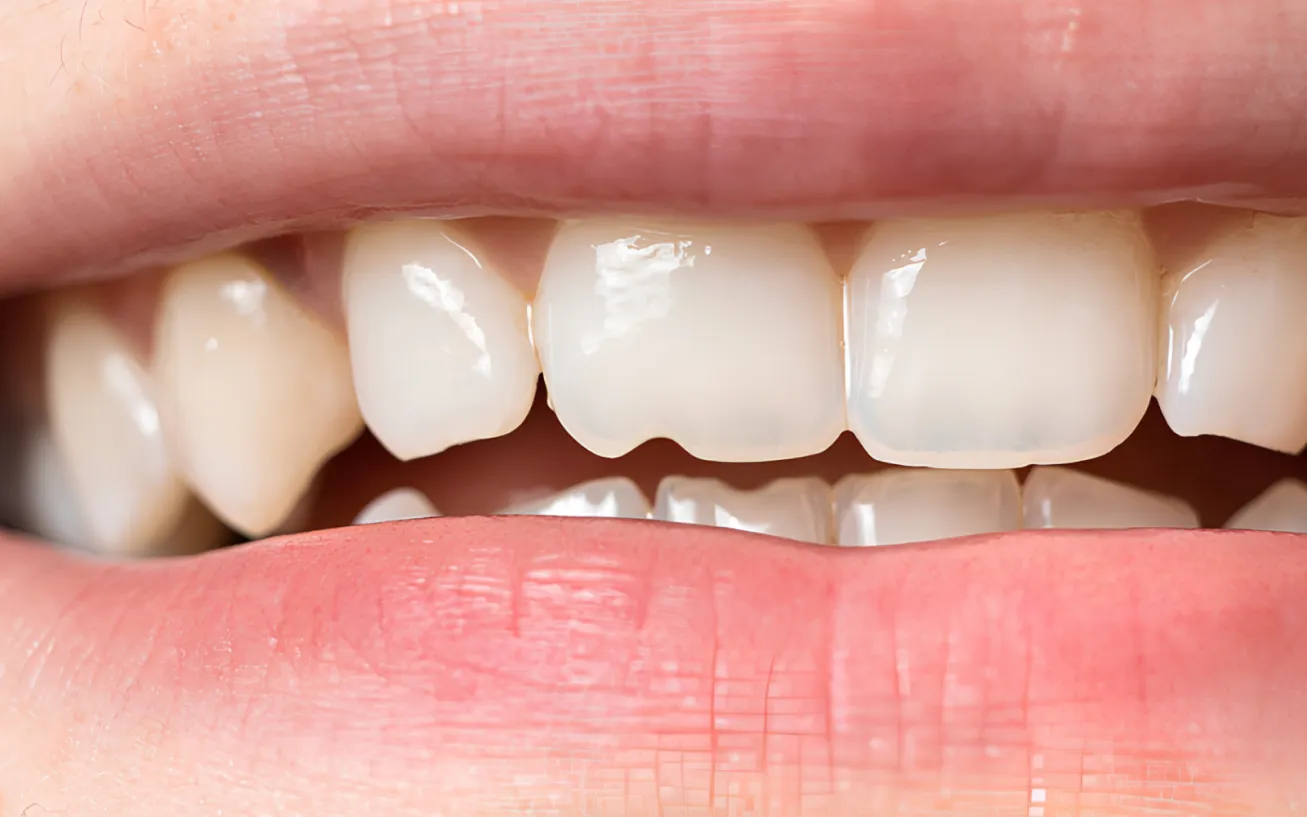
What happens when you chip a tooth?
A chipped tooth can happen in an instant — a bite on something hard, a minor fall, or even grinding during sleep. However it occurs, the result is the same: a tooth that looks or feels wrong, and a decision that needs to be made about how to fix it.
The good news is that chipped tooth repair has never been more accessible. Depending on the size of the chip, its location, and your budget, there are solutions ranging from a single short appointment to a more involved cosmetic procedure. This guide walks you through every realistic option, from the most conservative to the most comprehensive.
How serious is your chip? Understanding the damage first
Not all chips are equal. Before deciding on treatment, a dentist needs to assess the extent of the damage.
Minor enamel chips
These affect only the outer layer of the tooth. They are rarely painful, though the sharp edge may irritate your tongue or cheek. Treatment is usually straightforward and quick.
Moderate chips involving dentine
When the chip extends past the enamel into the dentine beneath, you may experience sensitivity to temperature or sweet foods. The tooth is more vulnerable and needs prompt attention.
Deep fractures near or into the pulp
If the crack or chip reaches the inner pulp — where nerves and blood vessels live — you may feel significant pain, and the tooth may require more involved treatment before any cosmetic repair is possible.
Chips affecting the tooth root
These are the most serious. Often only visible on an X-ray, root-level damage may affect the long-term viability of the tooth itself.
A clinical examination, and often a digital X-ray, is the only reliable way to know which category your chip falls into. Attempting to self-diagnose based on pain levels alone is not advisable, as dentine damage is not always immediately painful.
Chipped tooth repair options: from conservative to comprehensive
1. Smoothing and polishing (for very minor chips)
For tiny chips that have simply left a rough edge, a dentist may need only to smooth and polish the area. No material is added; the tooth's natural shape is simply refined. This is the most conservative approach and is typically completed in a single short appointment.
Best for: Hairline chips on the edges of incisors or minor surface irregularities.
Considerations: Removes a small amount of enamel, so it is only appropriate where the chip is genuinely superficial.
2. Dental bonding
Dental bonding is one of the most widely used methods for chipped tooth repair. A tooth-coloured composite resin is applied directly to the damaged area, sculpted to restore the tooth's natural shape, hardened with a curing light, and then polished.
Key advantages:
- Completed in a single visit in most cases
- No removal of healthy tooth structure required
- Highly adaptable — the shade is matched to your surrounding teeth
- Generally the most affordable cosmetic repair option
Limitations:
- Composite resin is less stain-resistant than porcelain over time
- May need refreshing or replacement after several years with normal wear
- Best suited to teeth not under heavy biting force
When patients ask about dental bonding vs veneer, bonding is almost always the recommended starting point for small to moderate chips, particularly on front teeth, where aesthetics matter but the structural demand is moderate.
3. Dental veneers
A veneer is a thin shell — typically porcelain — that covers the entire front surface of a tooth. It is custom-fabricated in a dental laboratory and bonded permanently to the tooth.
Key advantages:
- Highly aesthetic result, closely mimicking natural enamel translucency
- Resistant to staining
- Durable when placed on appropriate teeth
- Can address a chip alongside other aesthetic concerns such as shape or minor discolouration
Limitations:
- Requires removal of a thin layer of enamel — the process is irreversible
- Involves at least two appointments (preparation and fitting)
- Higher cost than bonding
- Not suitable for teeth with significant structural loss or active decay
The question of dental bonding vs veneer is genuinely a clinical one, not just a cosmetic preference. Our MDS specialists in prosthodontics and cosmetic dentistry assess factors including bite force, the extent of tooth structure remaining, gum health, and your long-term expectations before recommending one over the other.
4. Dental crowns
When a chip is large — or when a tooth has already had significant restoration — a crown (cap) that covers the entire visible portion of the tooth may be the most appropriate repair.
Best for: Back teeth with large chips, teeth that have already had root canal treatment, or cases where substantial tooth structure has been lost.
Considerations: The most extensive preparation of the remaining tooth is required. However, for the right case, a crown offers the most durable and protective outcome.
5. Root canal treatment followed by restoration
If the chip has allowed bacteria to reach or threaten the pulp, root canal treatment may be necessary before any cosmetic repair. This is not a cosmetic procedure — it is a clinical necessity to save the tooth. Once completed, the tooth is typically restored with a crown.
This scenario underscores why prompt assessment of a broken tooth matters: delays can allow deeper infection to develop, turning what might have been a straightforward bonding procedure into a multi-stage treatment.
Comparing your options at a glance
| Option | Visits needed | Tooth removal | Durability | Typical use case |
|---|---|---|---|---|
| Smoothing & polishing | 1 | Minimal | Permanent | Tiny edge chips |
| Dental bonding | 1 | None | 5–10 years with care | Small–moderate chips |
| Porcelain veneer | 2–3 | Thin layer | 10–15 years with care | Front teeth, aesthetic focus |
| Crown | 2–3 | Significant | 10–15+ years | Large chips, back teeth |
| Root canal + crown | Multiple | Significant | Long-term | Pulp involvement |
How to care for a chipped tooth while you wait for your appointment
If you cannot see a dentist immediately, take these interim steps:
- Rinse your mouth gently with warm salt water
- If there is a sharp edge, cover it temporarily with dental wax (available at most pharmacies) to protect your tongue and cheek
- Avoid hard, crunchy, or very hot or cold foods on that side
- Take over-the-counter pain relief if required, following the packet instructions
- Do not attempt to file down the tooth yourself
These measures are temporary only. Even a chip that feels minor should be assessed professionally within a few days.
Local considerations for Noida patients
Patients dealing with a broken tooth in Noida are often surprised by the range of options available locally. Dental Care Centre in Sector 78 operates as a multi-speciality clinic, meaning that if your chip turns out to require more than a straightforward bonding procedure — for example, if a crown or endodontic treatment is also needed — those services are available under one roof, coordinating your care without the need for external referrals.
For working adults in Noida, timing matters. Most bonding appointments can be completed within a standard lunch break, and our team endeavours to keep scheduling flexible for urgent cases. Patients travelling from Sector 137, Sector 168, or the wider Greater Noida Expressway corridor typically find the Sector 78 location straightforward to access.
Our MDS team includes specialists in prosthodontics, conservative dentistry, and endodontics — the disciplines most directly involved in chipped tooth repair. Treatment recommendations are guided by current clinical protocols, not by a preference for any particular procedure.
Frequently asked questions
Can a chipped tooth repair itself?
No. Unlike bone, tooth enamel does not regenerate. Once a chip has occurred, the missing structure must be replaced or the affected area managed professionally. Delaying treatment risks further fracture, sensitivity, or infection.
How long does dental bonding last on a chipped tooth?
In most cases, composite bonding on a front tooth lasts between five and ten years before it may need refreshing or replacement. Longevity depends on the size of the repair, your bite, and habits such as nail-biting or chewing ice. Regular dental check-ups help monitor the bonding and address any wear early.
Is dental bonding or a veneer better for a chipped front tooth?
This depends on the size of the chip, the condition of the surrounding tooth structure, and your aesthetic goals. For small to moderate chips with no other cosmetic concerns, bonding is typically the first recommendation — it is faster, more affordable, and preserves more natural tooth. A veneer becomes more appropriate when there are multiple aesthetic issues to address simultaneously, or when greater long-term stain resistance is a priority. A clinical assessment is essential before making this decision.
Does chipped tooth repair hurt?
Smoothing, polishing, and bonding procedures generally require no anaesthetic and cause no discomfort. If the chip is deeper — affecting dentine or pulp — local anaesthetic is used before any work begins. Post-procedure sensitivity, if it occurs at all, typically resolves within a few days.
Can I get a chipped tooth fixed in one appointment?
For minor chips treated with polishing or dental bonding, a single appointment is usually sufficient. Veneers and crowns require at least two appointments because they involve laboratory fabrication. If root canal treatment is needed, multiple visits will be required.
What happens if I ignore a chipped tooth?
A chip left untreated can worsen over time. The sharp edge can fracture further under biting pressure. Exposed dentine becomes more sensitive and is vulnerable to decay. If the pulp is compromised, infection can develop, potentially threatening the tooth. In short, early treatment is nearly always simpler and less costly than delayed treatment.
A note from our team
This article is intended as general information only and does not constitute clinical advice. Every chipped tooth is different, and the appropriate repair depends on factors that can only be assessed through a proper clinical examination. If you have chipped a tooth — whether it feels minor or significant — we encourage you to book a consultation at Dental Care Centre, Sector 78, Noida, so that one of our MDS specialists can assess the damage and walk you through the options that are right for your specific situation.
Free 15-minute consultation. We'll review your specific case and walk you through your options — no pressure, no upselling.
Treatments mentioned in this article
More from the Blog
All 23 articles →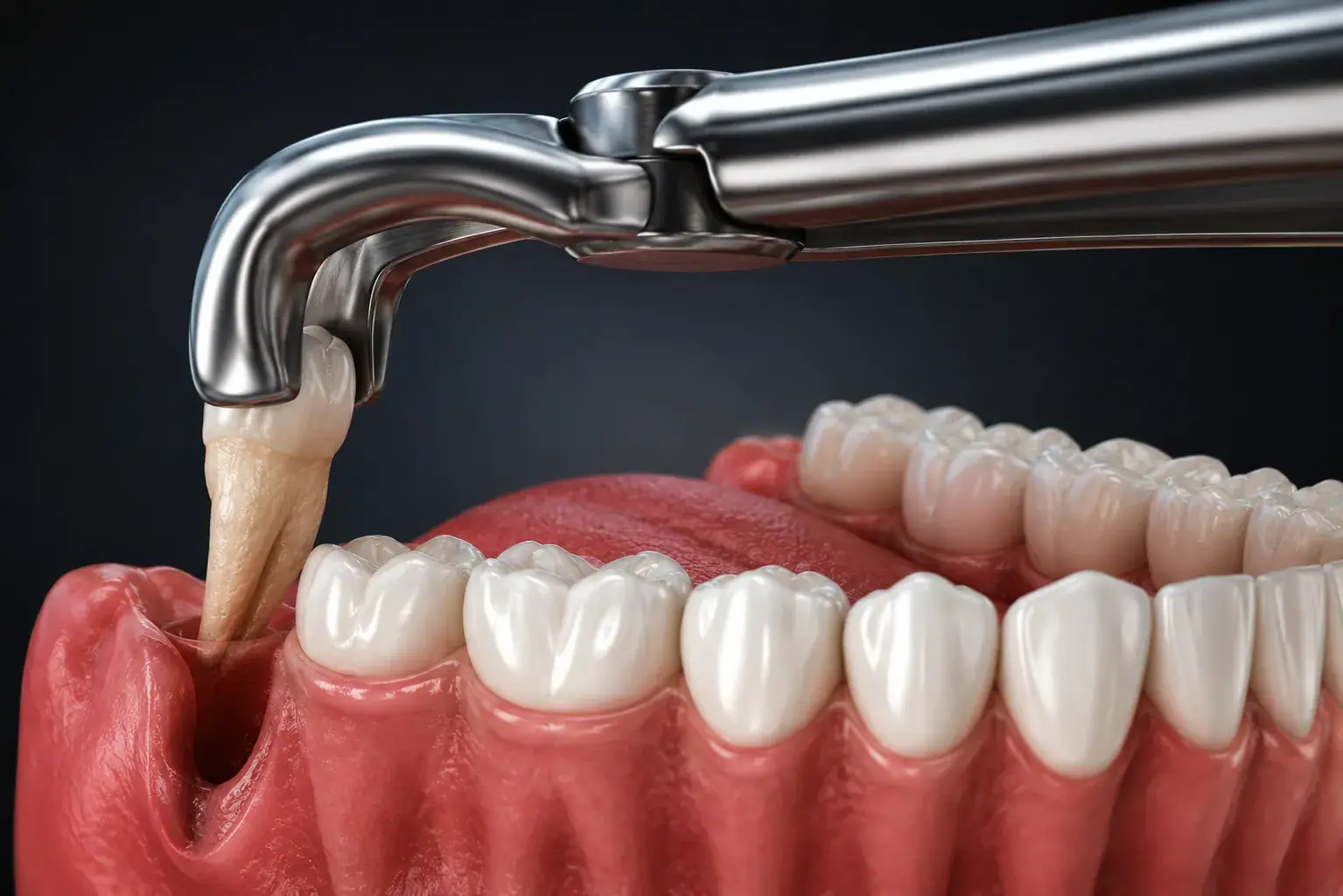
Wisdom Tooth Removal: When It's Necessary and What to Expect
Wondering whether your wisdom teeth need to come out? Learn the key symptoms, what the procedure involves, and how recovery typically unfolds.
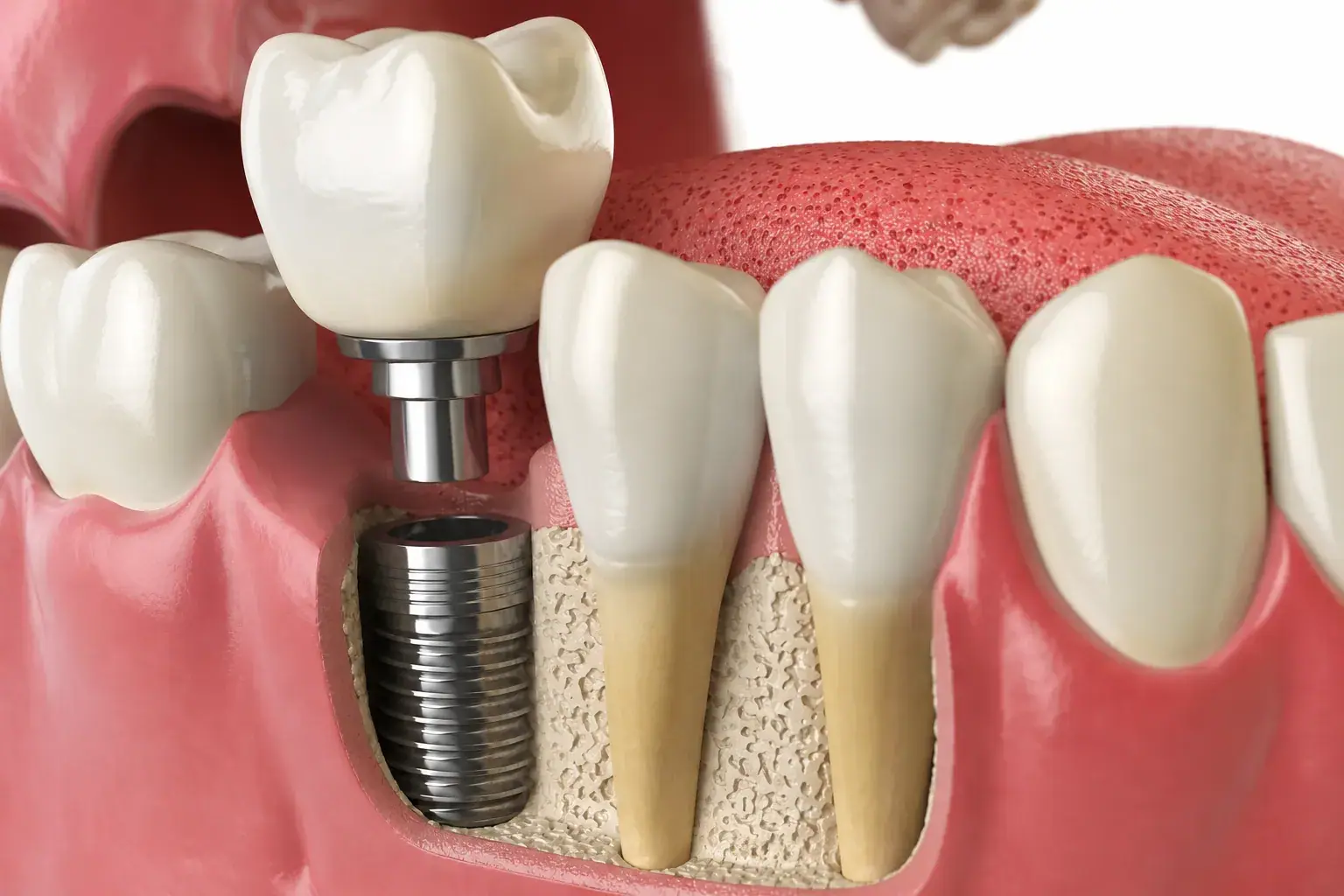
How Long Does a Dental Implant Last? An Evidence-Based Answer
Wondering how long a dental implant lasts? We break down what the clinical evidence says about implant longevity, maintenance, and what affects outcomes.
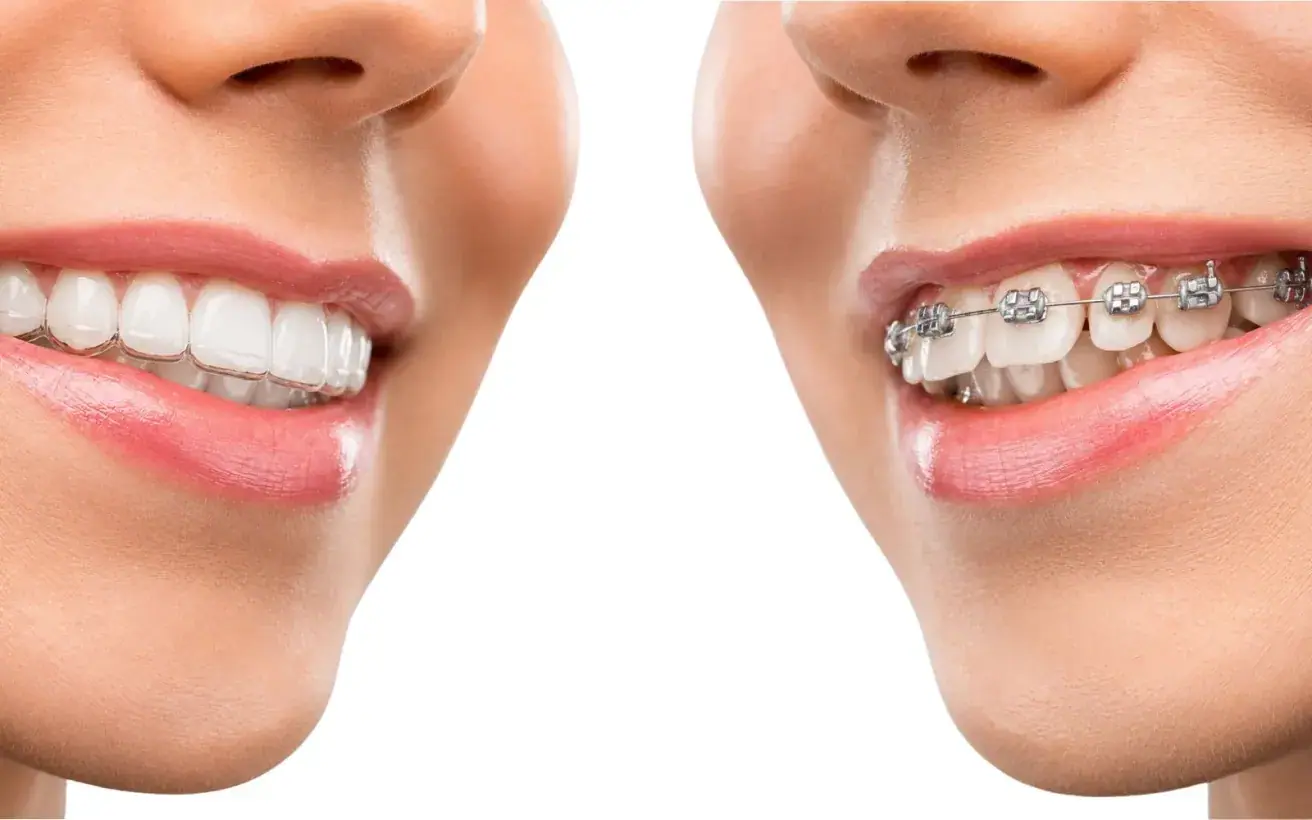
Invisalign vs Braces: Which Is Better for Adults?
Weighing Invisalign vs braces as an adult? This guide breaks down comfort, cost, effectiveness, and lifestyle impact to help you decide with confidence.