Gum Disease: The 7 Early Signs Most Indians Ignore

Gum disease is the leading cause of tooth loss in adults — and unlike cavities, it's painless until it's severe. Here's how to catch it before you lose teeth.
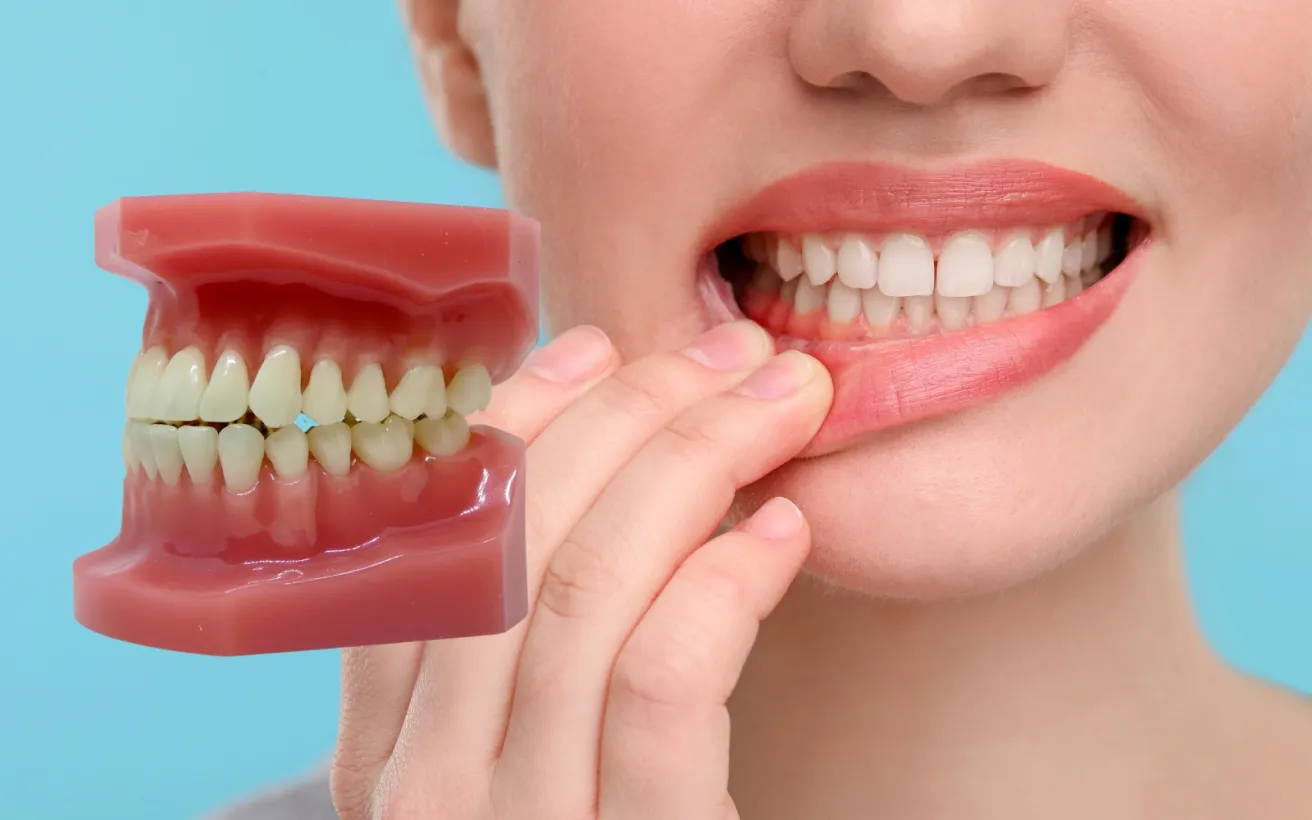
Gum disease is the most under-diagnosed problem in Indian dentistry. By the WHO's last estimates, over half of Indian adults have some stage of it, but only a fraction know — because gum disease is mostly painless until the tooth becomes loose, and by then, the damage is done.
This article is the early-detection checklist.
The two stages
Gingivitis (reversible)
Inflammation of the gum tissue only. The bone supporting the tooth is intact. Caused by plaque accumulation. Fully reversible with good hygiene + a professional cleaning.
Periodontitis (not reversible — only stoppable)
The inflammation has spread to the bone holding the tooth. Bone is dissolving. Pockets form between gum and tooth. The tooth gradually loses its anchor and becomes loose. Damage cannot be reversed, only stopped.
The transition from gingivitis to periodontitis usually takes 6-24 months of neglect. The window to catch it is wide. Most patients miss it because nothing hurts.
The 7 early signs
1. Bleeding when you brush or floss
The single most reliable early sign. Healthy gums do not bleed. Period. If yours bleed, that's not "sensitive gums" — that's gingivitis. The fix is more brushing/flossing, not less.
2. Bad breath that doesn't go away
Bacterial colonies in inflamed gum pockets produce sulphur compounds. If your breath is bad despite brushing, mouth wash, and tongue cleaning, it's coming from the gums.
3. Gum colour change
Healthy gums are coral pink. Gingivitis turns them red and puffy. Severe periodontitis turns them dusky purple-red, especially at the margins where they meet teeth.
4. Receding gums
Look at your front teeth in the mirror. If they look longer than they did 2 years ago, your gums have receded. This is bone loss happening underneath.
5. Sensitive teeth at the gum line
Receding gums expose root surface, which has no enamel. Cold and sweet things hit the root and trigger nerve pain.
6. Spaces appearing between teeth
As bone loss progresses, teeth drift. New spaces appearing in your front teeth (where they didn't exist before) is a late warning.
7. Tooth feels loose
The tooth has lost significant bone support. This is usually stage 3-4 periodontitis. Treatment is urgent — there's still a chance to save the tooth, but the window is narrow.
What's actually happening underneath
Plaque (sticky bacterial biofilm) accumulates at the gum line. Within 24-48 hours, it starts to mineralise into tartar (calculus). Tartar can't be brushed off — only scaled off by a dental hygienist.
The bacteria release toxins. Your immune system responds with inflammation. The inflammation, while trying to fight the bacteria, also damages your own tissue — including the bone around your teeth. This is the slow tragedy of gum disease: your body destroying your own jawbone in an attempt to fight a bacterial infection it can't quite reach.
Risk factors that accelerate gum disease
Some people are more vulnerable:
- Smokers — 4-7x higher risk, and treatment outcomes are worse
- Diabetics — bidirectional relationship; uncontrolled diabetes worsens gum disease, gum disease worsens diabetes control
- Genetic predisposition — some families carry inflammatory response variants
- Pregnancy — hormonal changes amplify gingival inflammation
- Stress — affects immune response and salivary flow
- Certain medications — anti-seizure, immunosuppressants, calcium channel blockers
- Poor nutrition — vitamin C deficiency, B-complex deficiency
The systemic connection
Gum disease isn't just about teeth. The inflammation spreads systemically:
- Cardiovascular disease — periodontitis is now considered an independent cardiovascular risk factor
- Diabetes — measurable improvement in HbA1c after periodontal treatment
- Pre-term birth — periodontitis in pregnant women increases risk of pre-term, low-birthweight babies
- Alzheimer's research — emerging evidence linking specific oral bacteria to neuroinflammation
This isn't fearmongering — it's why your physician sometimes asks about gum care.
What treatment looks like
Stage 1 (gingivitis)
- Professional cleaning (scaling) — 30-45 minutes
- Brushing technique modification
- Daily flossing or interdental brushes
- Reassessment in 6 weeks
Stage 2 (early periodontitis)
- Deep cleaning (scaling + root planing) — usually split across 2 visits
- May require local antibiotic placement in pockets
- Reassessment in 3 months
- Maintenance cleaning every 3-4 months instead of 6
Stage 3-4 (advanced periodontitis)
- Same as stage 2, plus:
- Periodontal surgery in specific cases (flap surgery, bone grafting)
- Sometimes guided tissue regeneration to grow back lost bone
- Splinting of mobile teeth
- Strict 3-month maintenance recall
- For irrecoverable teeth, extraction + implant
Treatment cost in Noida (2026)
- Routine cleaning (scaling): ₹1,500-3,500
- Deep cleaning (per quadrant): ₹3,000-6,000
- Local antibiotic delivery: ₹2,000-4,000 per site
- Flap surgery (per quadrant): ₹15,000-35,000
- Bone grafting: ₹8,000-20,000 per site
- Splinting: ₹3,000-8,000
- Periodontal maintenance (3-monthly): ₹2,000-3,500
What you can do at home
- Brush twice daily, 2 minutes, with a soft brush
- Floss or interdental brush daily — non-negotiable
- Tongue cleaner once daily
- Replace your toothbrush every 3 months
- Limit sugary snacks between meals
- Quit smoking — single biggest improvement possible
- Manage diabetes
- Professional cleaning every 6 months (or every 3 if you have any periodontal history)
Frequently asked questions
Is gum bleeding really that big a deal?
Yes. It's the canary in the coal mine. Don't ignore it.
Will mouthwash fix it?
No. Mouthwash addresses bacteria on tissue surfaces. Tartar trapped under the gum line needs mechanical removal.
How quickly can it progress?
Gingivitis to early periodontitis: 6-12 months of neglect. Early to advanced: another 2-5 years. The slow timeline is why people miss it.
Can lost gum tissue grow back?
With specific surgical procedures (guided tissue regeneration, gum grafts), some can be restored. Lost bone, mostly cannot.
Is gum disease genetic?
Susceptibility is genetic. Whether it activates depends on hygiene, smoking, diabetes, and other modifiable factors.
If you've noticed any of the seven signs, please don't ignore them. The treatment for early-stage gum disease is simple, cheap, and effective. The treatment for late-stage gum disease is complex, expensive, and incomplete. Book a periodontal check — even a quick 20-minute exam tells us where you stand.
Our doctors do free 15-minute consultations. Come in with a question, leave with a plan.
Treatments mentioned in this article
More from the Blog
All 23 articles →
Why Regular Dental Check-ups Are Essential for a Healthy Smile
Regular dental check-ups help prevent cavities, gum disease, and costly treatments. Learn why visiting your dentist every six months matters.
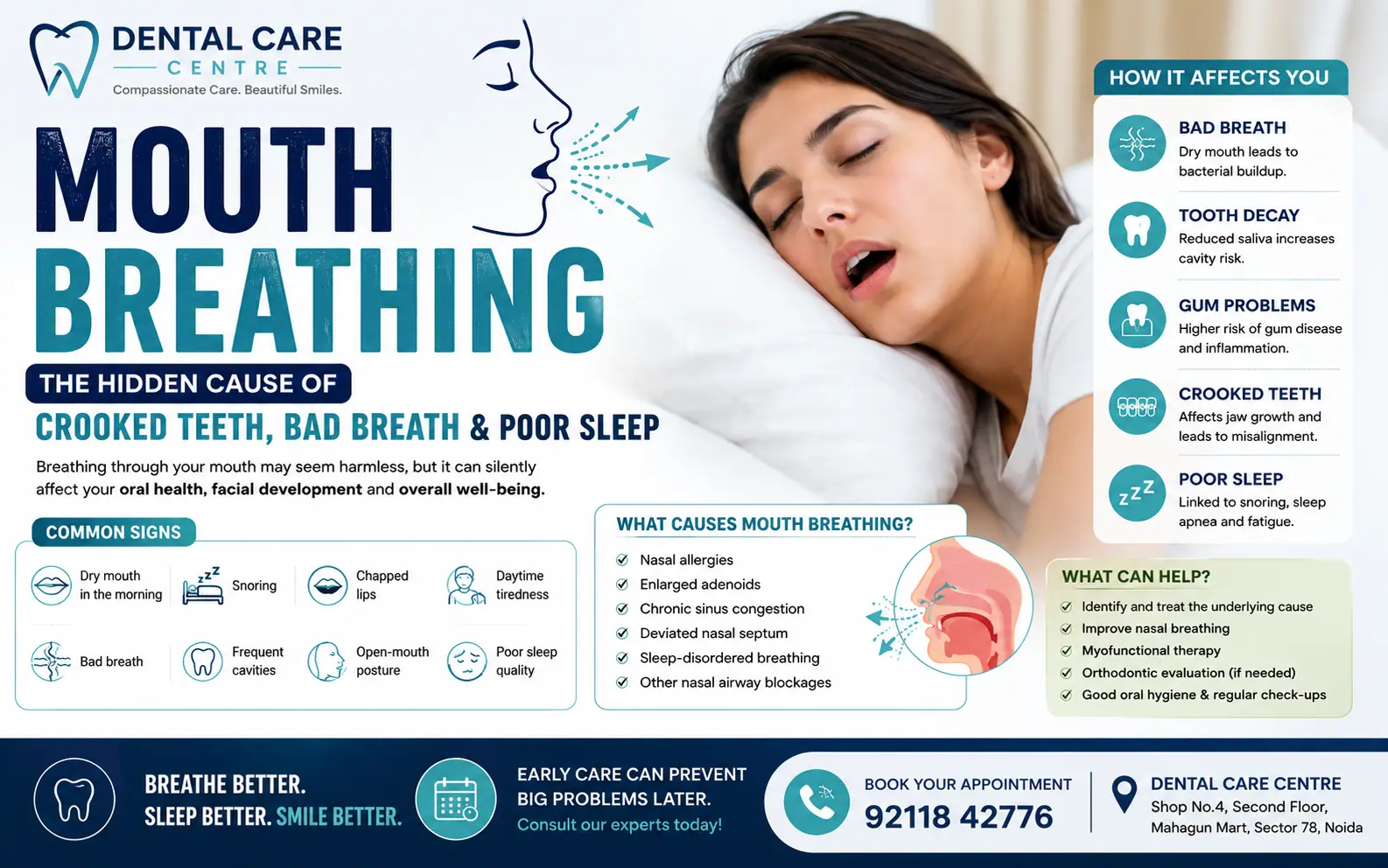
Mouth Breathing: The Hidden Cause of Crooked Teeth, Bad Breath & Poor Sleep
Mouth breathing can affect more than just your sleep. Learn how it contributes to bad breath, gum disease, crooked teeth, and facial development—and what you can do about it.

Invisible Aligners: Your Complete Patient Guide
Everything you need to know about invisible aligners — how they work, who qualifies, what treatment involves, costs, and how to choose the right clinic.