Root Canal Treatment: Myths vs Facts You Should Know

Separating RCT myths from clinical reality — so you can make an informed decision about saving your tooth without unnecessary fear.
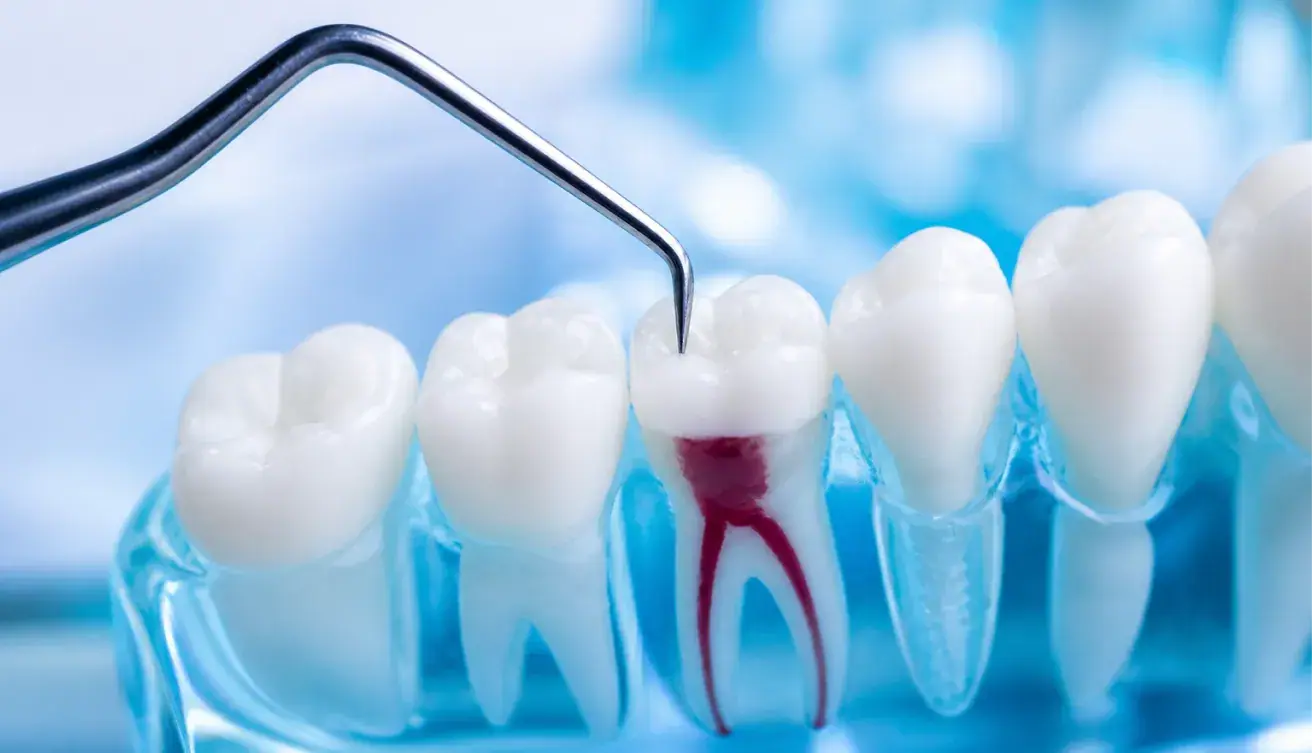
What most patients get wrong about root canal treatment
Few dental procedures carry as much undeserved fear as root canal treatment. Mention it in a waiting room and you will likely see someone wince. Yet the anxiety is almost always built on outdated stories, secondhand anecdotes, and a fundamental misunderstanding of what modern endodontics actually involves.
This post addresses the most common RCT myths head-on, replaces them with clinical facts, and helps you walk into your next consultation with a clearer head.
The most persistent RCT myths — and the clinical reality
Myth 1: Root canal treatment is extremely painful
This is, without question, the most widespread misconception. The truth is that the procedure is performed under local anaesthesia, which numbs the tooth and surrounding tissue thoroughly before any instrumentation begins. Most patients report that the discomfort is comparable to having a routine filling placed.
The pain people associate with a root canal is almost always the pain they were already feeling before treatment — from an inflamed or infected pulp putting pressure on surrounding nerves. The procedure relieves that pain; it does not create it.
If you want a deeper clinical explanation of what actually happens at each stage, our post on Root Canal Pain: The Myth, the Reality, and What Actually Happens walks through the process in plain language.
So, is root canal painful? In the hands of a trained endodontist using contemporary techniques, the honest answer is: not significantly, and far less than leaving an infected tooth untreated.
Myth 2: It is better to extract the tooth than to go through a root canal
This is understandable logic — remove the source of the problem and be done with it. The difficulty is that losing a natural tooth creates its own cascade of consequences: the adjacent teeth can drift, the opposing tooth may over-erupt, and bone in that area begins to resorb over time. Replacing an extracted tooth with an implant or bridge is typically more involved, more time-consuming, and more expensive than preserving the original tooth through RCT.
Clinical guidelines consistently support saving the natural tooth wherever structurally possible. Our MDS team reports that in the majority of cases where patients initially request extraction, root canal treatment is a viable and preferable alternative.
Myth 3: Root canal treatment causes illness elsewhere in the body
This myth has circulated online for decades, often traced back to poorly conducted research from the early twentieth century. It has been thoroughly reviewed and refuted by modern evidence-based dentistry. Regulatory and professional bodies — including the British Endodontic Society — have found no credible link between properly performed root canal treatment and systemic disease. The bacteria addressed during RCT are eliminated as part of the procedure itself.
Myth 4: You only need a root canal if the tooth hurts
Not always. A tooth with a dying or already-dead pulp may produce no pain at all, because the nerve itself is no longer functional. Infection can progress silently, sometimes appearing only as a shadow on an X-ray or as a small swelling. This is one reason routine dental check-ups matter — problems can be identified before they become symptomatic or before the tooth becomes non-restorable.
If you have been noticing related issues such as sensitivity to temperature changes, it may be worth reading about why your teeth are suddenly sensitive before attributing it to something minor.
Myth 5: A root canal treated tooth will always need to be extracted eventually
A well-executed root canal, followed by appropriate restoration — typically a crown — can last many years, often for the remainder of a patient's life. Long-term outcomes depend on the quality of the initial treatment, the restoration placed afterwards, and the patient's ongoing oral hygiene. Root canal treated teeth are not inherently fragile; they simply require the right protective restoration once the pulp has been removed.
What root canal treatment actually involves
Understanding the process reduces anxiety considerably. Here is a straightforward overview:
Stage 1 — Diagnosis and imaging
The treating dentist or endodontist takes X-rays (sometimes a CBCT scan for complex cases) to assess the extent of infection and the anatomy of the root canals.
Stage 2 — Anaesthesia
Local anaesthetic is administered. Treatment does not begin until the area is fully numb.
Stage 3 — Access and cleaning
A small opening is made in the crown of the tooth. Specialised instruments are used to remove the inflamed or infected pulp tissue and clean the canal system.
Stage 4 — Shaping and irrigation
The canals are shaped and thoroughly irrigated with antimicrobial solutions to eliminate bacteria.
Stage 5 — Filling
The cleaned canals are filled with a biocompatible material, typically gutta-percha, and sealed.
Stage 6 — Restoration
A temporary or permanent filling is placed, and a crown is usually recommended to protect the tooth long-term.
Depending on the complexity of the case, this may be completed in one or two appointments.
Who performs root canal treatment?
At a multi-speciality dental centre, root canal treatment is ideally handled by an MDS-qualified endodontist — a specialist who has completed postgraduate training specifically in pulp and root canal therapy. Complex cases involving curved canals, calcified canals, or retreatment of a previously treated tooth benefit particularly from specialist input.
That said, many straightforward cases are managed competently by experienced general dentists. The key is that the treating clinician has adequate training, uses proper magnification and instrumentation, and follows current clinical guidelines for canal debridement and obturation.
Local considerations for Noida patients
For those searching for root canal Noida options, it is worth understanding what to look for in a dental centre. Ensure the facility uses rotary endodontic systems rather than only hand files, has digital X-ray capability, and — for complex cases — has access to or in-house referral to an MDS endodontist. These are reasonable expectations, not premium luxuries.
Dental Care Centre is located in Sector 78, Noida, and operates as a multi-speciality clinic, meaning that if your case requires input beyond routine endodontics — for instance, if the tooth also has significant structural damage or periodontal involvement — specialist coordination happens under one roof rather than requiring referral elsewhere. Patients in sectors 75, 76, 79, and the surrounding areas of Noida Extension will generally find Sector 78 an accessible base for ongoing dental care.
For patients who have more complex restorative needs beyond a single tooth — such as multiple failing teeth or significant bite issues — our team may also discuss broader treatment options. You can read more about those scenarios in our guide to Full-Mouth Rehabilitation: When It's Worth It, and When It Isn't.
Frequently asked questions
Is root canal treatment painful during the procedure?
Under adequate local anaesthesia, the procedure itself should not be painful. You may feel pressure and movement, but sharp pain during treatment typically indicates that the anaesthetic has not fully taken effect — at which point a clinician will administer more. Some mild soreness in the days following treatment is normal and usually manageable with over-the-counter analgesics.
How many appointments does a root canal take?
Many straightforward single-rooted teeth can be treated in a single appointment. Multi-rooted teeth, or cases with active infection or complex canal anatomy, may require two appointments. Your dentist will advise you based on your specific X-rays and clinical findings.
Will I need a crown after the procedure?
In most cases, yes. Back teeth especially are subjected to significant chewing forces. Without a crown, a root canal treated tooth is at higher risk of fracture, which can make it non-restorable. The crown is an important part of the overall outcome, not an optional extra.
Can I eat normally after root canal treatment?
You should avoid chewing on the treated side until a permanent restoration is in place, particularly if only a temporary filling has been placed. Once the crown is fitted and your bite has settled, normal eating is expected. Your dentist will give you specific guidance for your case.
Are there alternatives to root canal treatment?
The main clinical alternatives are extraction (with or without replacement via implant or bridge) or, in very early-stage cases, a pulp-capping procedure. Whether an alternative is appropriate depends on the degree of pulp involvement, the restorability of the tooth, and patient preference. Your dentist will outline the options with their respective implications. If you are also dealing with other structural tooth damage, our overview of how to fix a chipped tooth may provide useful context on restorative options more broadly.
What happens if I delay or avoid the treatment?
An infected tooth does not resolve on its own. Left untreated, infection can spread to surrounding bone, adjacent teeth, or — in severe cases — deeper tissues of the jaw and neck. Pain typically worsens, and the chance of saving the tooth diminishes over time. Early treatment almost always leads to a better outcome.
A note from our team
This article is intended for general informational purposes only and does not constitute clinical advice for any individual case. RCT myths are common, and we hope this post has addressed some of your concerns — but the right course of treatment for your specific tooth can only be determined through a proper clinical examination and X-rays. If you have been putting off addressing a troublesome tooth, we encourage you to book a consultation with our team so we can assess your situation calmly and without pressure.
Free 15-minute consultation. We'll review your specific case and walk you through your options — no pressure, no upselling.
Treatments mentioned in this article
More from the Blog
All 23 articles →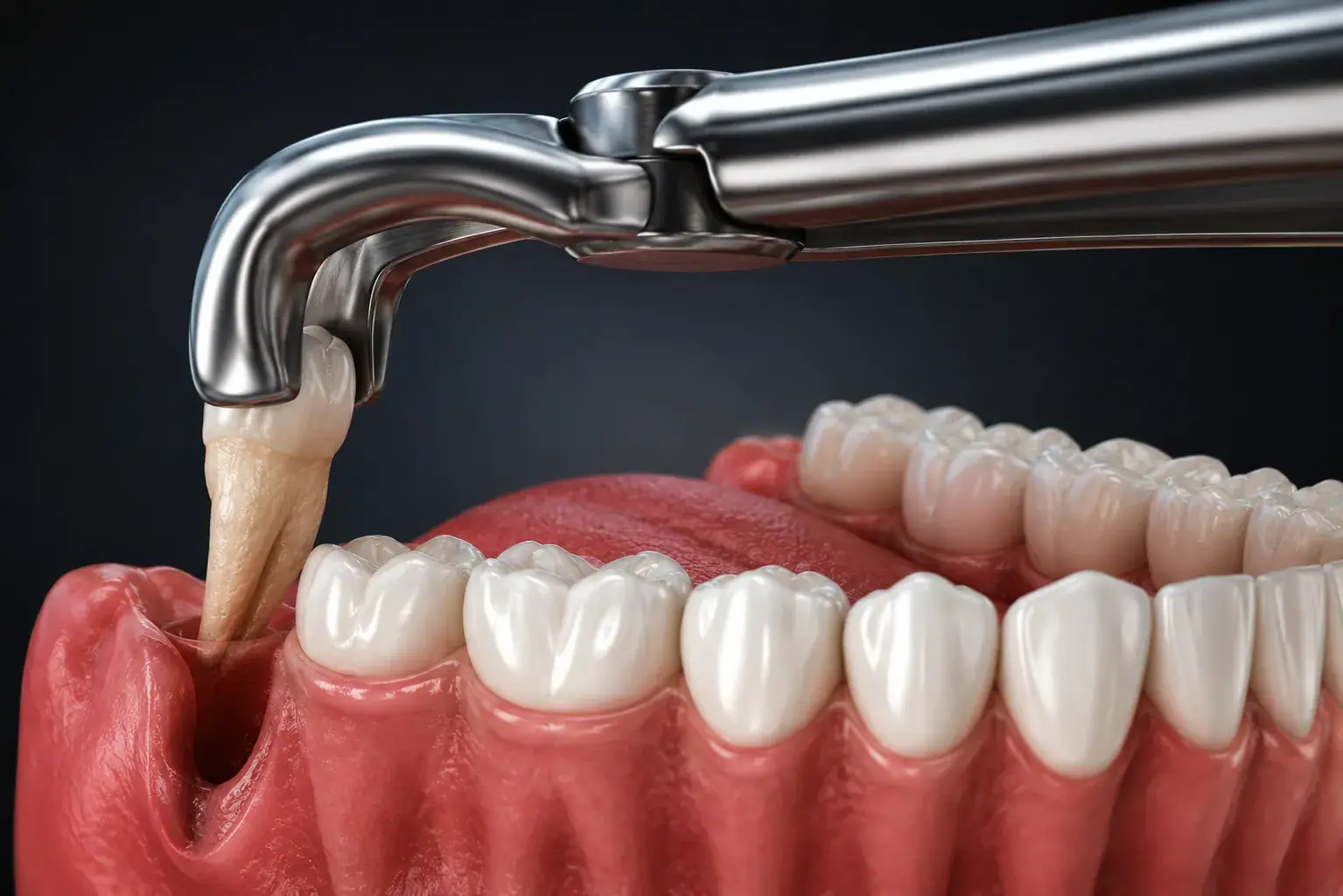
Wisdom Tooth Removal: When It's Necessary and What to Expect
Wondering whether your wisdom teeth need to come out? Learn the key symptoms, what the procedure involves, and how recovery typically unfolds.
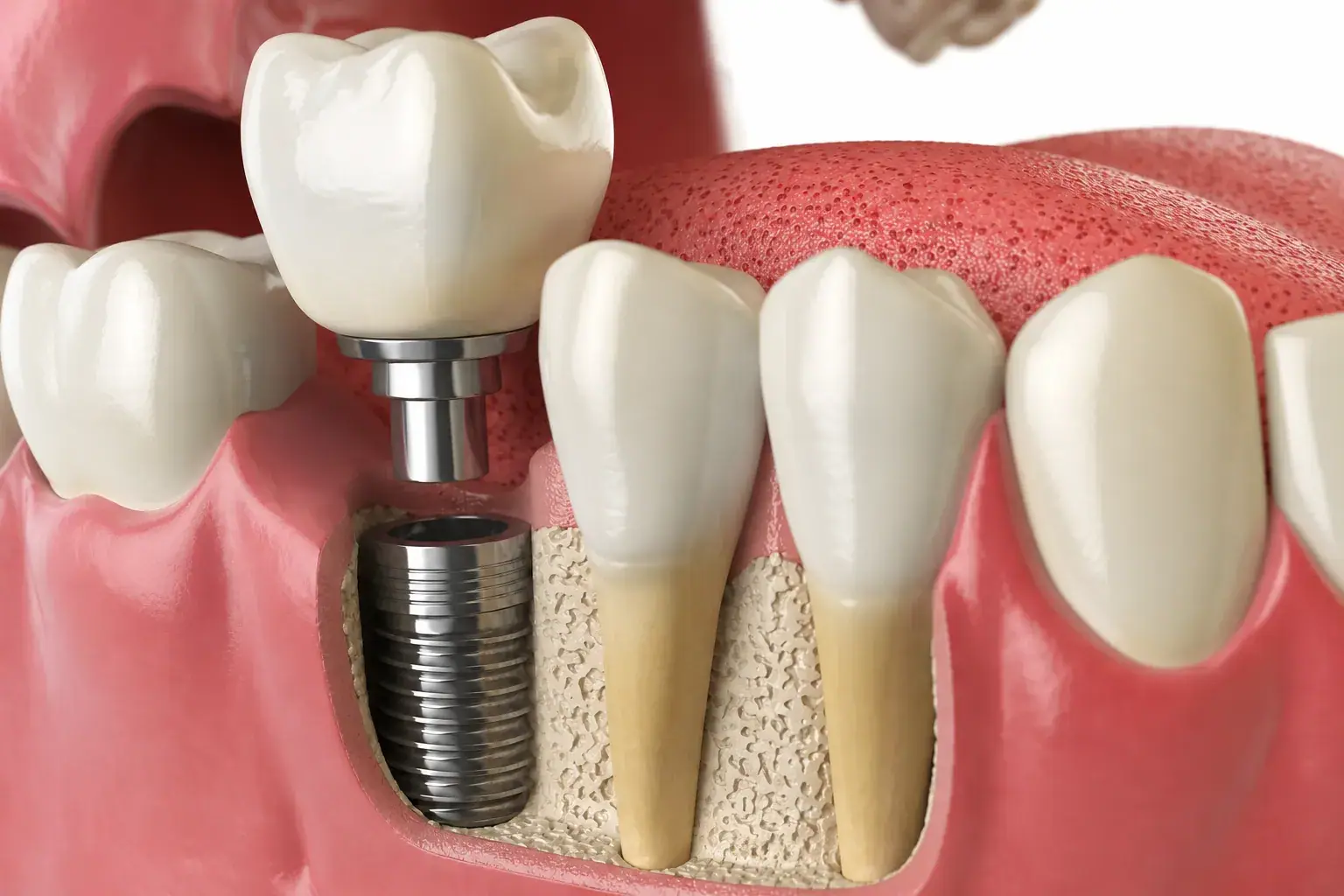
How Long Does a Dental Implant Last? An Evidence-Based Answer
Wondering how long a dental implant lasts? We break down what the clinical evidence says about implant longevity, maintenance, and what affects outcomes.
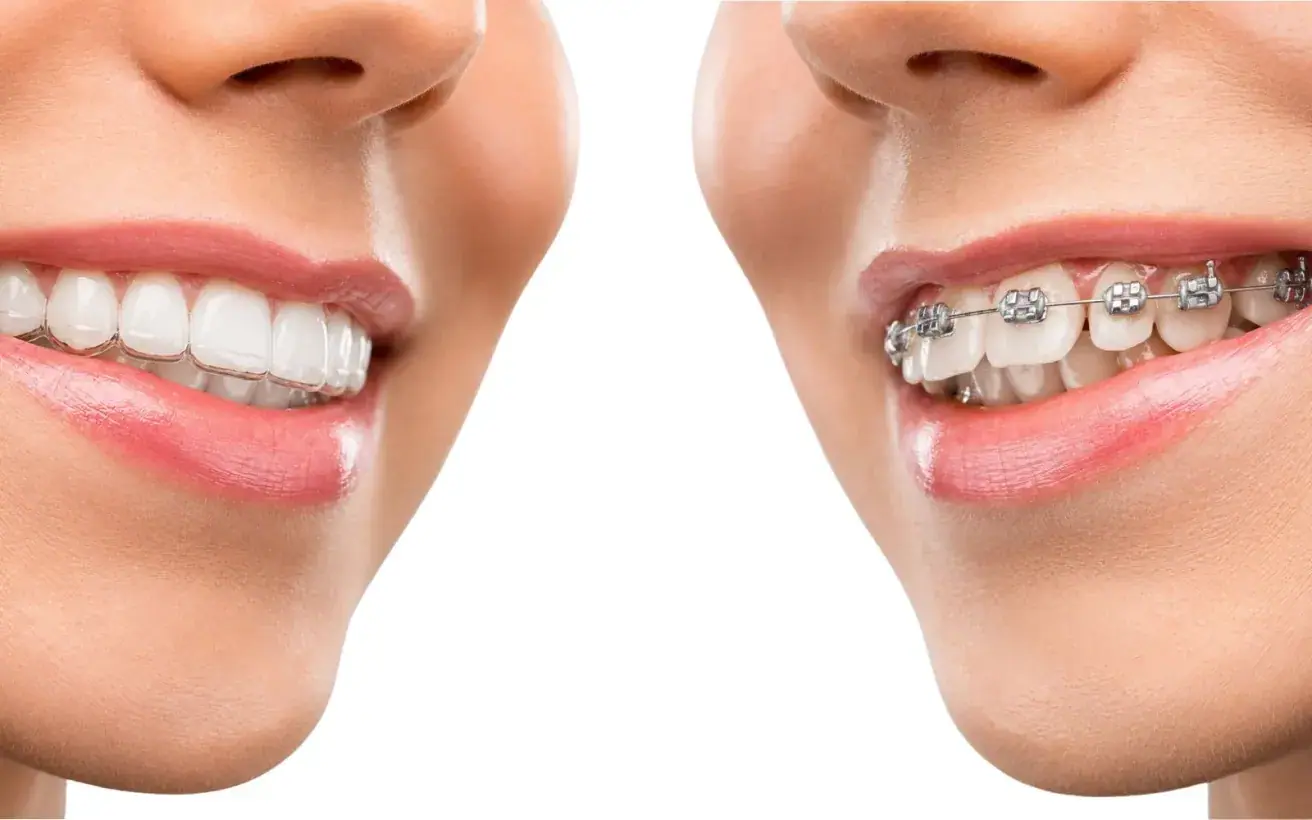
Invisalign vs Braces: Which Is Better for Adults?
Weighing Invisalign vs braces as an adult? This guide breaks down comfort, cost, effectiveness, and lifestyle impact to help you decide with confidence.