Invisalign vs Braces: Which Is Better for Adults?

Weighing Invisalign vs braces as an adult? This guide breaks down comfort, cost, effectiveness, and lifestyle impact to help you decide with confidence.
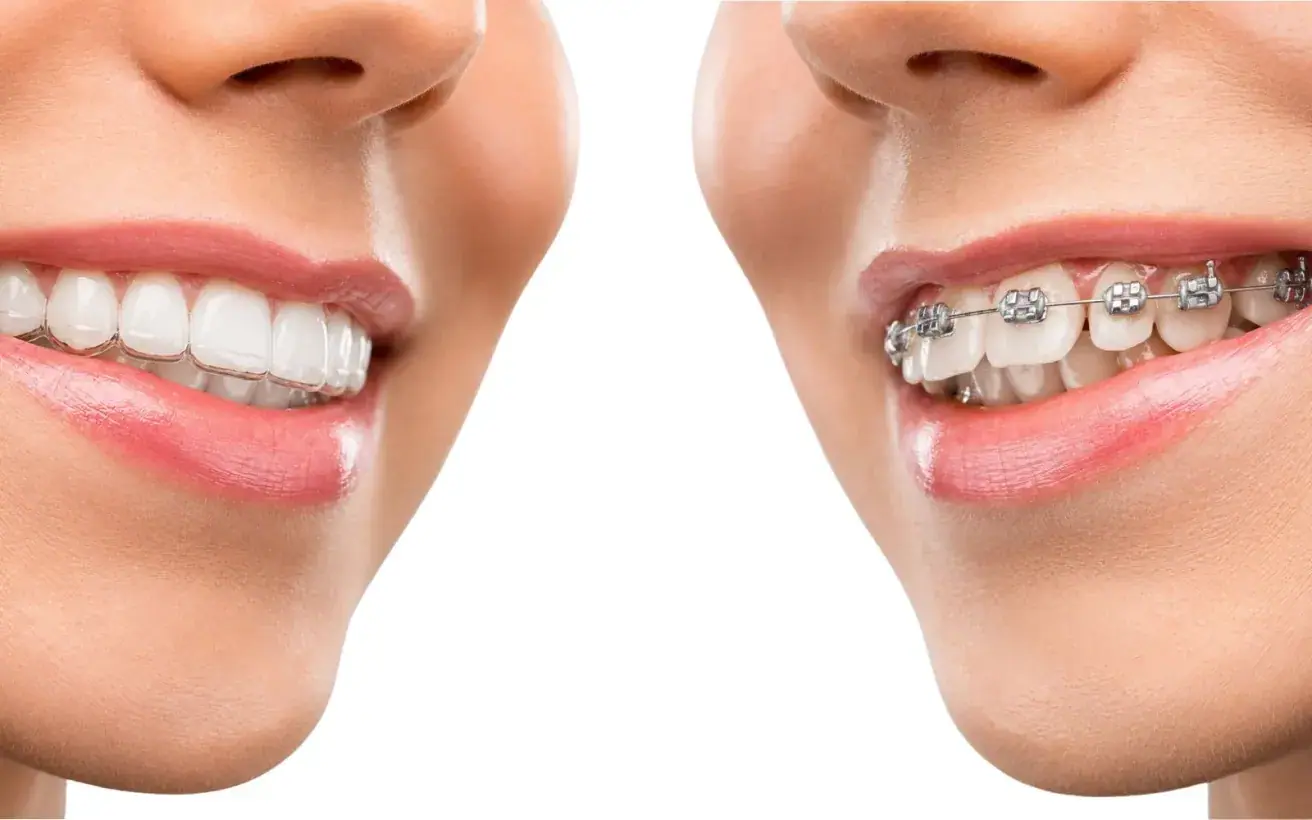
Two paths to straighter teeth — which one suits you?
If you have been putting off orthodontic treatment because you cannot picture yourself wearing metal brackets in your thirties or forties, you are not alone. Adult orthodontics has grown steadily as more people realise that straight teeth are not just a teenage concern — they affect how you bite, how you clean your teeth, and how confident you feel. The question most adults arrive with is the same: Invisalign vs braces — and is one genuinely better than the other?
The honest answer is: it depends. Both are clinically proven options. Both can achieve lasting results. The right choice comes down to the complexity of your case, your lifestyle, and how closely you can follow through on the demands each system places on you.
How each system works
Traditional braces
Metal or ceramic brackets are bonded directly to the surface of your teeth. An archwire runs through each bracket and is periodically tightened by your orthodontist to guide your teeth into position. Modern brackets are smaller and less obtrusive than older designs, and ceramic (tooth-coloured) options reduce their visibility further.
Typical treatment duration: 18 months to 3 years, depending on case complexity.
Who adjusts your progress: Your orthodontist, at scheduled appointments every 4–8 weeks.
Clear aligners (Invisalign and similar systems)
A series of custom-made, removable plastic trays gradually move your teeth in small increments. Each tray is worn for roughly one to two weeks before you move to the next in the series. The trays are nearly invisible when worn and can be removed for eating and cleaning.
Typical treatment duration: 6 months to 2 years for most adult cases, though complex malocclusions may take longer.
Who adjusts your progress: You advance through trays yourself, with check-ins every 6–10 weeks.
For a deeper decision-making framework, the guide on invisible aligners vs braces for adults covers scenario-by-scenario comparisons that complement what you will read here.
Comparing the two: what actually matters to adults
Visibility and aesthetics
This is usually the first concern for adult patients. Clear aligners are, as the name suggests, nearly invisible in everyday conversation. Ceramic braces are a middle ground — less obvious than metal, but still fixed to your teeth.
If you regularly present to clients, appear on camera, or simply feel strongly about discretion during treatment, clear aligners have a clear advantage here.
Comfort
Both systems cause some discomfort, particularly in the first few days after an adjustment or after switching to a new tray. Braces carry the added risk of bracket edges or loose wires irritating the inner cheeks. Aligners generally cause a pressure sensation rather than sharp discomfort, and there are no hardware components to cause soft-tissue irritation.
Oral hygiene during treatment
This is one of the most clinically significant differences. With braces, brackets and wires create additional surfaces where plaque accumulates. Brushing and flossing require more time and technique, and inadequate hygiene can lead to demineralisation around brackets — white spots that may be permanent.
Aligner trays are removed entirely for brushing and flossing, so your oral hygiene routine remains essentially unchanged. However, the trays themselves must be kept clean, and eating or drinking anything other than water while wearing them is discouraged. If you already have concerns about gum health, this distinction matters — the post on gum disease early signs is worth reading alongside this one, as active gum disease typically needs to be resolved before any orthodontic treatment begins.
Compliance demands
Braces are fixed — they work whether you think about them or not. Aligners require you to wear your trays for 20–22 hours a day. Patients who struggle with consistency, or who travel frequently and find themselves removing trays for social events, often see extended treatment times or compromised results.
Our MDS orthodontic team consistently notes that clear aligner outcomes are strongly correlated with patient compliance. If you have any doubt about your ability to keep trays in for the required hours, discuss this honestly with your orthodontist before committing.
Case suitability
Clear aligners have improved substantially over the past decade and can now address a wide range of tooth movements, including mild-to-moderate crowding, spacing, and some bite corrections. However, there remain cases — significant skeletal discrepancies, severe rotations of certain teeth, or complex bite issues — where traditional braces, sometimes combined with other appliances, remain the more reliable choice.
Your orthodontist will take digital scans or X-rays and assess the specific movements your teeth need before recommending either system. No blog post can substitute for that clinical evaluation.
Eating and lifestyle
With braces, certain foods — hard, sticky, or chewy items — are off the list for the duration of treatment. With clear aligners, you remove the trays to eat, so your diet is unrestricted. This is a meaningful quality-of-life difference for many adults, particularly those who travel for work or eat out frequently.
When braces may be the stronger choice
- Severe crowding or significant bite correction required
- Cases involving tooth rotations that aligners handle less predictably
- Patients who are unlikely to maintain the 20–22 hour wear requirement
- Younger adults still in active jaw development (though most adults' jaws are fully developed)
- Cases where cost is a primary constraint — in most practices, traditional braces are priced lower than aligner systems, though the gap has narrowed
When clear aligners may be the stronger choice
- Mild to moderate crowding or spacing
- Adults who prioritise discretion during treatment
- Patients with a history of soft-tissue sensitivity to metal appliances
- Those who can reliably maintain high compliance
- Patients for whom oral hygiene ease during treatment is a clinical priority
Local considerations for Noida patients
Patients across Noida and neighbouring sectors are increasingly opting for adult orthodontics as awareness of both clear aligners and ceramic braces has grown. Access to multi-speciality dental care — where orthodontic planning is coordinated with periodontal assessment and restorative needs — makes a meaningful difference in treatment outcomes. At Dental Care Centre in Sector 78, our MDS specialists work across disciplines so that, for example, any underlying gum concerns are addressed before orthodontic forces are applied.
It is also worth noting that adult orthodontic cases in India often present alongside other restorative needs — worn enamel, older fillings, or missing teeth. When a patient has several overlapping concerns, a full-mouth rehabilitation assessment may help sequence treatments in the right order, rather than beginning orthodontic movement in a mouth that needs prior structural work.
Finally, if you are considering a smile redesign that goes beyond straightening — reshaping, whitening, or restoring — understanding the planning process behind that is useful context. The post on smile design and what happens before any treatment begins explains how aesthetic and functional goals are mapped together, which often informs whether orthodontics is the right starting point.
Frequently asked questions
Is Invisalign as effective as braces for adults?
For mild to moderate cases, clinical evidence supports clear aligners as equally effective when worn correctly. For complex tooth movements or significant bite issues, braces typically offer more predictable control. Your orthodontist's case assessment is the only reliable way to know which applies to you.
At what age is it too late to get orthodontic treatment?
There is no upper age limit for orthodontic treatment in otherwise healthy mouths. The main prerequisites are adequate bone density and healthy gums. Adults in their fifties and sixties successfully complete orthodontic treatment. What changes with age is that teeth may move slightly more slowly and that existing restorations (crowns, bridges) can complicate planning.
How much do clear aligners cost compared to braces in Noida?
Costs vary depending on case complexity, the aligner brand, and the clinic. In most cases, comprehensive clear aligner treatment is priced higher than traditional metal braces, though ceramic braces sit somewhere between the two. Any practice offering a definitive price without a clinical assessment first should be approached cautiously — a proper quote follows a thorough examination.
Will orthodontic treatment affect my ability to eat normally?
With braces, you will need to avoid certain foods — anything hard, sticky, or likely to damage brackets. With clear aligners, trays are removed for meals, so your diet is unrestricted. This is one of the practical quality-of-life advantages most adult patients value about the aligner system.
How do I keep my teeth straight after treatment ends?
Retention is non-negotiable after any orthodontic treatment. Teeth have a natural tendency to shift back toward their original positions, particularly in the first year post-treatment. Most orthodontists prescribe a fixed retainer bonded to the back of the front teeth, a removable retainer worn nightly, or both. Discuss retention planning with your orthodontist before you begin — it is part of the treatment, not an afterthought.
Can I get orthodontic treatment if I have a crown or dental implants?
Crowns on natural teeth can generally be moved orthodontically, though they cannot be bonded to in the same way as natural enamel, which affects bracket placement. Dental implants, however, are fused to bone and cannot be moved — this affects how surrounding teeth can be repositioned. Our MDS team assesses these factors during the initial consultation to determine what is feasible.
A note from our team
This article is intended as general information to help adults approach the invisalign vs braces conversation with better context. It does not constitute clinical advice, and every patient's situation — bone health, gum condition, bite complexity, and personal priorities — is different. If you are considering adult orthodontics in Noida or simply want to understand your options, we welcome you to book a consultation with our orthodontic team for a proper assessment of what would work best for your specific case.
Free 15-minute consultation. We'll review your specific case and walk you through your options — no pressure, no upselling.
Treatments mentioned in this article
More from the Blog
All 23 articles →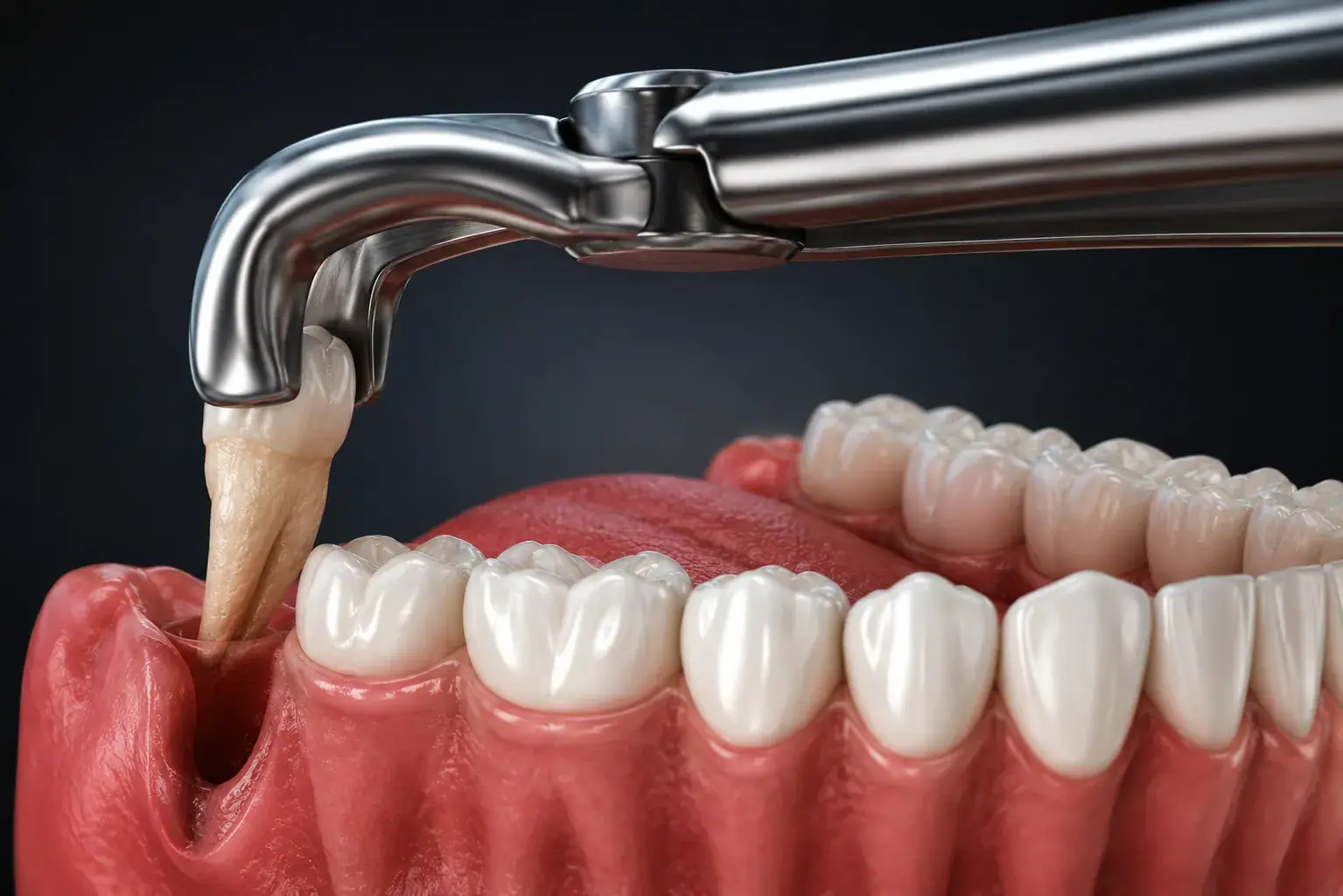
Wisdom Tooth Removal: When It's Necessary and What to Expect
Wondering whether your wisdom teeth need to come out? Learn the key symptoms, what the procedure involves, and how recovery typically unfolds.
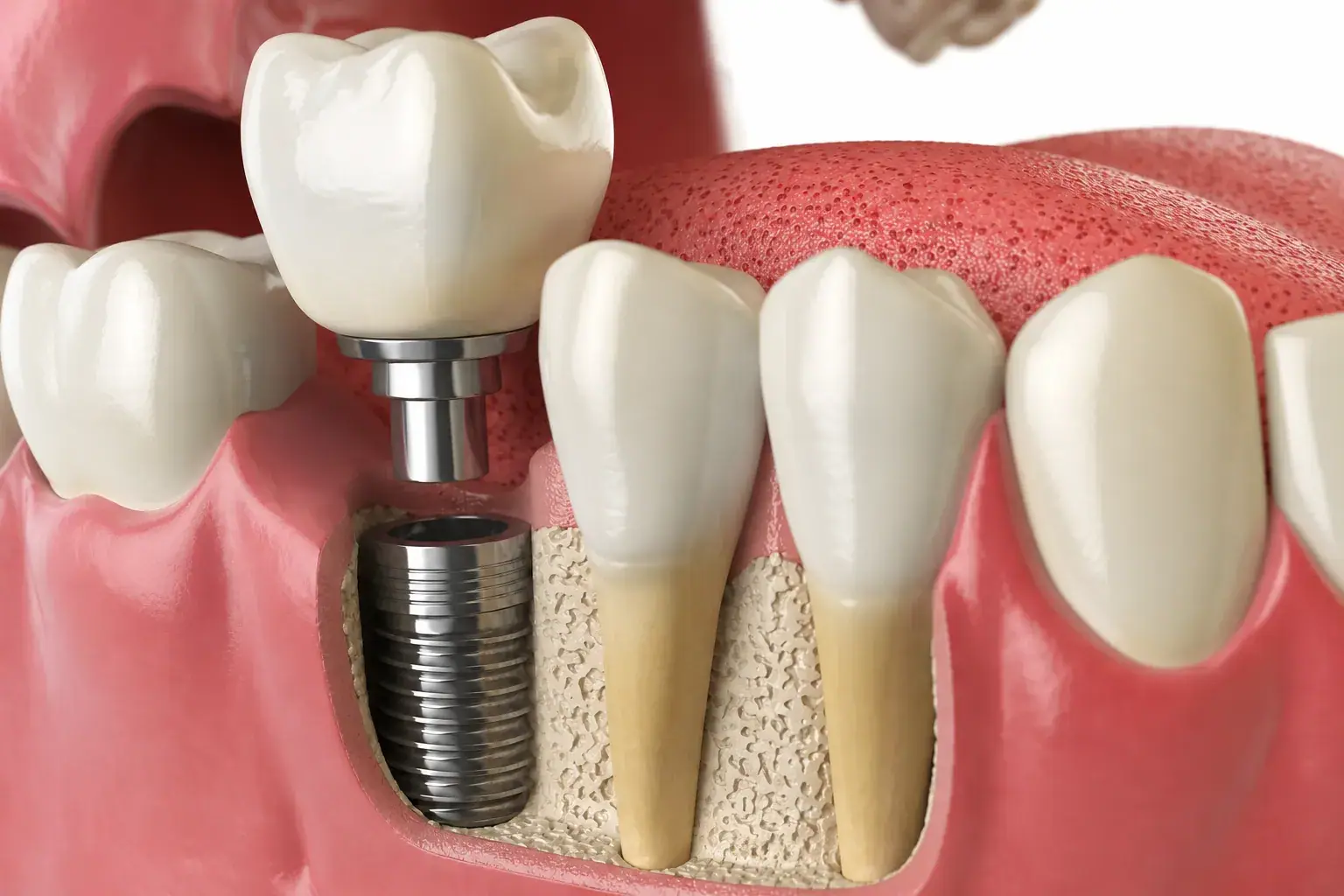
How Long Does a Dental Implant Last? An Evidence-Based Answer
Wondering how long a dental implant lasts? We break down what the clinical evidence says about implant longevity, maintenance, and what affects outcomes.
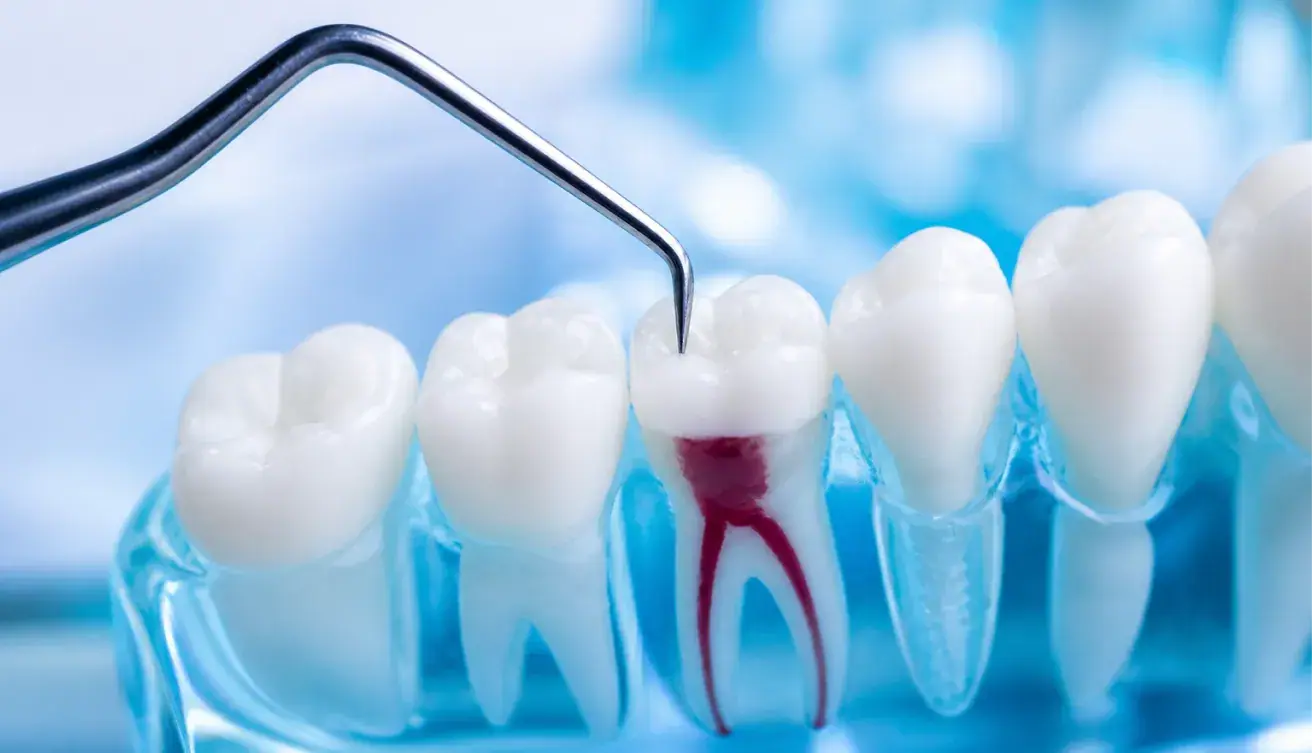
Root Canal Treatment: Myths vs Facts You Should Know
Separating RCT myths from clinical reality — so you can make an informed decision about saving your tooth without unnecessary fear.