Pregnancy and Dental Care: What's Safe to Do Now

Expecting a baby? Learn which dental treatments are safe during pregnancy, how to manage pregnancy gum disease, and what to postpone until after delivery.

Why dental health matters more during pregnancy
Pregnancy brings profound changes to your body — and your mouth is no exception. Shifting hormone levels, altered saliva composition, and changes in eating habits can all affect the health of your teeth and gums over the course of nine months. Yet dental care during pregnancy is an area many expectant mothers feel uncertain about, often delaying necessary treatment out of caution.
The reassuring truth is that most routine dental care is not only safe during pregnancy — it is actively encouraged. Leaving oral infections or gum disease untreated carries its own risks, both for the mother and, in some cases, for the developing baby. Understanding what to proceed with and what to schedule after delivery helps you make informed decisions alongside your dentist and obstetrician.
How pregnancy changes your oral health
Pregnancy gum disease: a real and common concern
One of the most well-documented oral health changes during pregnancy is the increased susceptibility to gum inflammation. Pregnancy gum disease — clinically referred to as pregnancy gingivitis — affects a significant proportion of expectant mothers, typically appearing between the second and eighth month. Rising levels of oestrogen and progesterone cause gum tissue to respond more intensely to the bacteria in dental plaque, leading to redness, swelling, and bleeding when brushing.
In some cases, a small overgrowth of gum tissue called a pregnancy epulis (or pyogenic granuloma) can develop, usually on the upper gum line. These growths are benign and often resolve on their own after delivery, though your dentist may monitor them closely.
If pregnancy gum disease is left unmanaged, it can progress to periodontitis — a deeper infection involving the bone that supports the teeth. Some clinical guidelines acknowledge a possible association between untreated severe periodontitis and adverse pregnancy outcomes such as preterm birth, though research in this area is ongoing. The consensus among dental and obstetric professionals remains: keep your gums healthy.
Changes in saliva and tooth erosion
Morning sickness is another factor that can affect dental health. Repeated vomiting exposes tooth enamel to stomach acid, which can cause erosion over time. If you experience morning sickness, rinse your mouth with water or a fluoride mouthwash rather than brushing immediately after vomiting, as brushing immediately after acid exposure can worsen enamel wear. Waiting around 30 minutes before brushing is generally advisable.
Some women also notice increased saliva production (hypersalivation) or, conversely, dry mouth during pregnancy — both of which can influence the bacterial environment in the mouth.
What is safe during pregnancy
Routine check-ups and professional cleaning
Regular dental examinations and professional scaling and polishing are safe throughout pregnancy and are strongly recommended. Ideally, inform your dentist that you are pregnant at your earliest opportunity so they can tailor your care accordingly. Most dental associations and clinical guidelines support routine dental care during pregnancy without restriction.
A professional clean is particularly valuable for managing pregnancy gum disease, as it removes the plaque and calculus that drive gum inflammation.
Local anaesthesia
Local anaesthetics such as lidocaine are considered safe to use during pregnancy when administered in appropriate doses. If you need a filling, a tooth extraction, or treatment for an abscess, you should not avoid necessary dental work simply because of the anaesthetic. Leaving a dental infection untreated poses a greater risk than the local anaesthetic itself.
Always inform your dentist of your pregnancy, your trimester, and any medications you are taking so they can make informed choices about the agents used.
Emergency and urgent dental treatment
Dental emergencies — severe toothache, abscesses, broken teeth — should not be postponed regardless of trimester. Untreated dental infections can spread and may require more aggressive treatment if delayed. Your dentist will weigh the benefits and risks and proceed with the safest approach.
What to approach with caution or postpone
Dental x-rays during pregnancy
The question of a dental x-ray during pregnancy is one of the most common concerns patients raise. Modern dental radiography involves very low doses of radiation, and with the use of a lead apron (which your dentist should always provide), exposure to the developing foetus is negligible.
That said, clinical guidelines generally recommend that dental x-rays during pregnancy be taken only when clinically necessary — for example, to diagnose an infection, assess a trauma, or guide urgent treatment — rather than as a routine part of a check-up that can reasonably be deferred. If your dentist determines that a dental x-ray during pregnancy is necessary to provide safe treatment, you can be reassured that a single diagnostic x-ray with appropriate shielding is not associated with harm.
Elective full-mouth radiographic surveys are typically postponed until after delivery.
Elective and cosmetic procedures
Procedures that are not clinically necessary — teeth whitening, elective orthodontic starts, purely cosmetic bonding — are best postponed until after you have delivered and, if breastfeeding, until you have finished nursing. This is not because these procedures are known to be harmful, but simply because the evidence base for their safety during pregnancy is limited and there is no clinical urgency.
Certain medications
Some medications used in dentistry require extra care during pregnancy. Antibiotics such as tetracycline are contraindicated. Certain pain relievers, including non-steroidal anti-inflammatory drugs (NSAIDs) such as ibuprofen, are generally avoided — particularly in the third trimester. Your dentist and obstetrician can advise on what is appropriate for your specific situation.
Trimester-by-trimester guidance
First trimester (weeks 1–13)
This is the period of major foetal organ development, so while routine care is safe, elective procedures are typically deferred. Nausea may make prolonged dental appointments uncomfortable. Focus on hygiene, attend any urgent appointments, and inform your dentist of your pregnancy.
Second trimester (weeks 14–27)
This is generally considered the most suitable window for any necessary dental treatment. Organogenesis is largely complete, morning sickness often eases, and lying back in the dental chair is still comfortable. Routine care, professional cleaning, and necessary restorative work can all be undertaken.
Third trimester (weeks 28–40)
Short appointments are preferable, as lying flat for extended periods can cause discomfort and may affect circulation. Truly urgent treatment remains appropriate, but elective procedures are deferred. Your dentist may position the chair at a slight angle for your comfort.
Daily oral hygiene during pregnancy
Good home care is your strongest tool for preventing pregnancy gum disease and keeping your teeth healthy:
- Brush twice daily with a fluoride toothpaste, using a soft-bristled brush
- Clean between your teeth with floss or interdental brushes once a day
- Use an alcohol-free fluoride mouthwash if recommended by your dentist
- Rinse with water after episodes of vomiting; do not brush immediately
- Limit sugary snacks between meals; if cravings lead to more frequent eating, try to choose lower-sugar options
- Stay well hydrated to support saliva production
Local considerations for Noida patients
At Dental Care Centre in Sector 78, Noida, our MDS specialists across periodontics, oral medicine, and restorative dentistry regularly support patients through pregnancy-related oral health concerns. We are familiar with the particular questions and anxieties that expectant mothers bring to their appointments, and our multi-speciality approach means that complex cases — such as pregnancy epulis or significant gum disease requiring careful management — can be assessed by the relevant specialist without needing to travel to multiple clinics.
Noida's rapid urban growth has brought with it a large population of young families, and dental care during pregnancy is among the more frequent topics our team addresses in consultations. We coordinate with obstetric care providers where needed, particularly when medication choices or timing of treatment requires input from both sides.
If you are planning a pregnancy, an oral health check before conception is an excellent step — addressing any existing gum disease or decay before you become pregnant reduces the likelihood of complications arising mid-pregnancy when treatment options are more constrained.
Frequently asked questions
Is it safe to have a dental filling during pregnancy?
Yes, in most cases. Composite (tooth-coloured) fillings are the material of choice during pregnancy. Dental amalgam is generally avoided as a matter of precaution, though current evidence does not confirm harm from amalgam fillings that are already in place. If a filling is needed to treat decay or relieve pain, treatment is preferable to leaving the problem unaddressed.
When should I tell my dentist I am pregnant?
As soon as you know. Even in very early pregnancy, your dentist will want to adjust your care plan — deferring routine x-rays, avoiding certain medications, and scheduling your cleaning during the second trimester if possible. The earlier your dentist is informed, the better they can support you.
Can pregnancy gum disease affect my baby?
Research suggests a possible association between severe, untreated pregnancy gum disease and adverse outcomes such as preterm birth or low birth weight, though the evidence does not yet establish a definitive causal link. What is clear is that managing gum disease is good for your own health and removes an unnecessary risk factor. Our MDS team recommends professional gum care as a routine part of antenatal oral health.
Is a dental x-ray during pregnancy dangerous?
When clinically necessary, a dental x-ray during pregnancy — taken with a lead apron — delivers an extremely small amount of radiation that is not considered harmful. The risk of leaving a dental infection undiagnosed typically outweighs the minimal exposure from a targeted x-ray. Routine or elective radiographs are deferred until after delivery.
Can I have teeth whitening while pregnant?
This is not recommended during pregnancy. The safety of bleaching agents for the developing foetus has not been sufficiently studied, and there is no clinical need to proceed during pregnancy. Whitening is best deferred until after delivery and, if applicable, after breastfeeding.
What can I take for toothache during pregnancy?
Paracetamol (acetaminophen) is generally considered the pain reliever of choice during pregnancy when used at the recommended dose and for the shortest time necessary. NSAIDs such as ibuprofen are typically avoided, particularly in the third trimester. Aspirin is also generally not recommended. Always consult your obstetrician or general physician before taking any medication, and contact your dentist promptly — toothache often signals an underlying problem that needs treatment, not just pain relief.
A note from our team
This article is intended for general informational purposes only and does not constitute clinical advice for your individual situation. Every pregnancy is different, and the right approach to your dental care will depend on your trimester, medical history, and the specific treatment in question. We encourage you to discuss any dental concerns with both your dentist and your obstetrician. If you would like a review of your oral health during pregnancy, you are welcome to book a consultation with the team at Dental Care Centre, Sector 78, Noida — we are happy to work with you and your wider care team to keep both you and your baby in good health.
Our doctors do free 15-minute consultations. Come in with a question, leave with a plan.
Treatments mentioned in this article
More from the Blog
All 23 articles →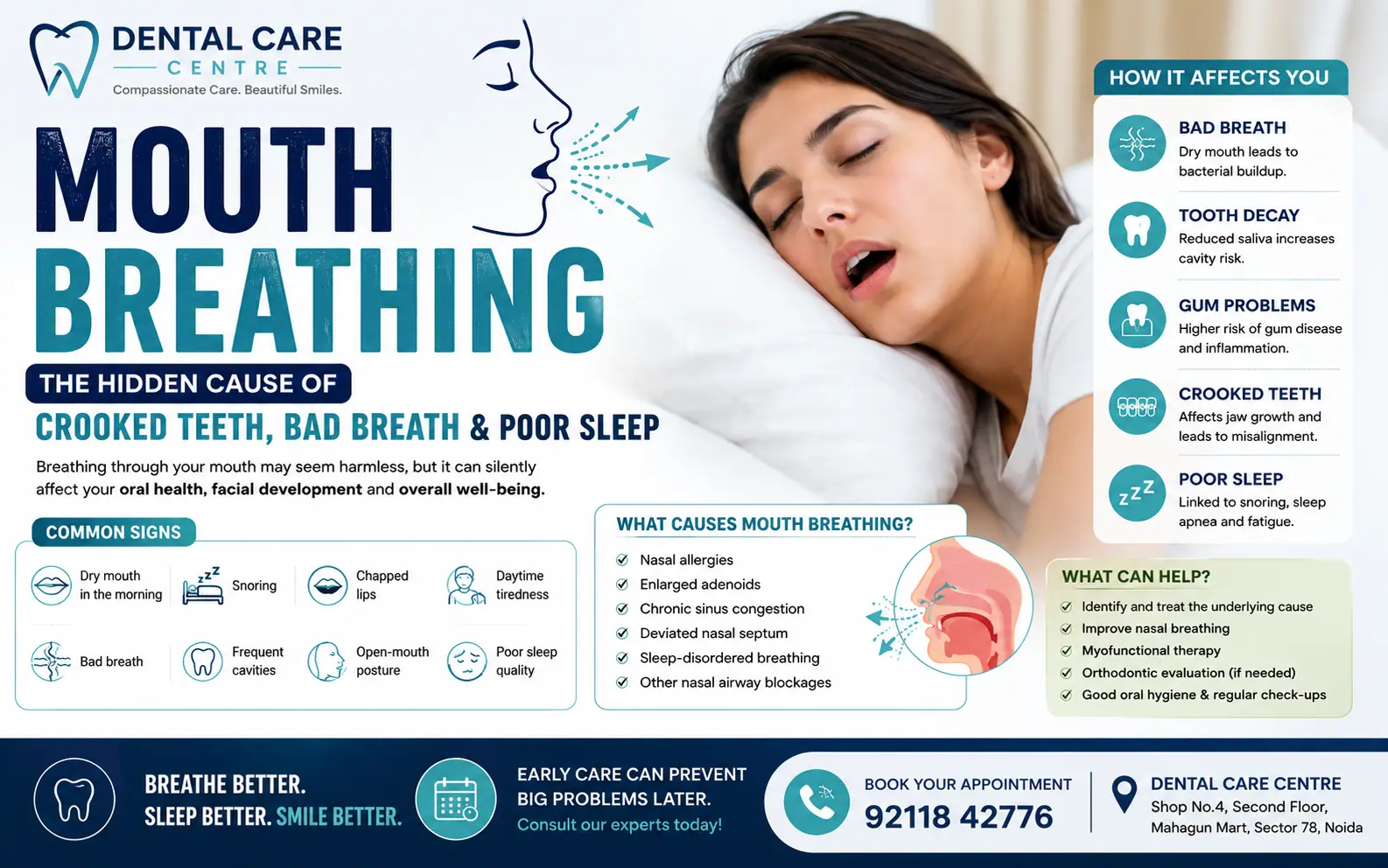
Mouth Breathing: The Hidden Cause of Crooked Teeth, Bad Breath & Poor Sleep
Mouth breathing can affect more than just your sleep. Learn how it contributes to bad breath, gum disease, crooked teeth, and facial development—and what you can do about it.

The Dental Hygiene Routine Your Dentist Recommends
Discover the oral care tips dentists actually stand behind — from brushing angles to flossing technique — so your daily habits genuinely protect your teeth.
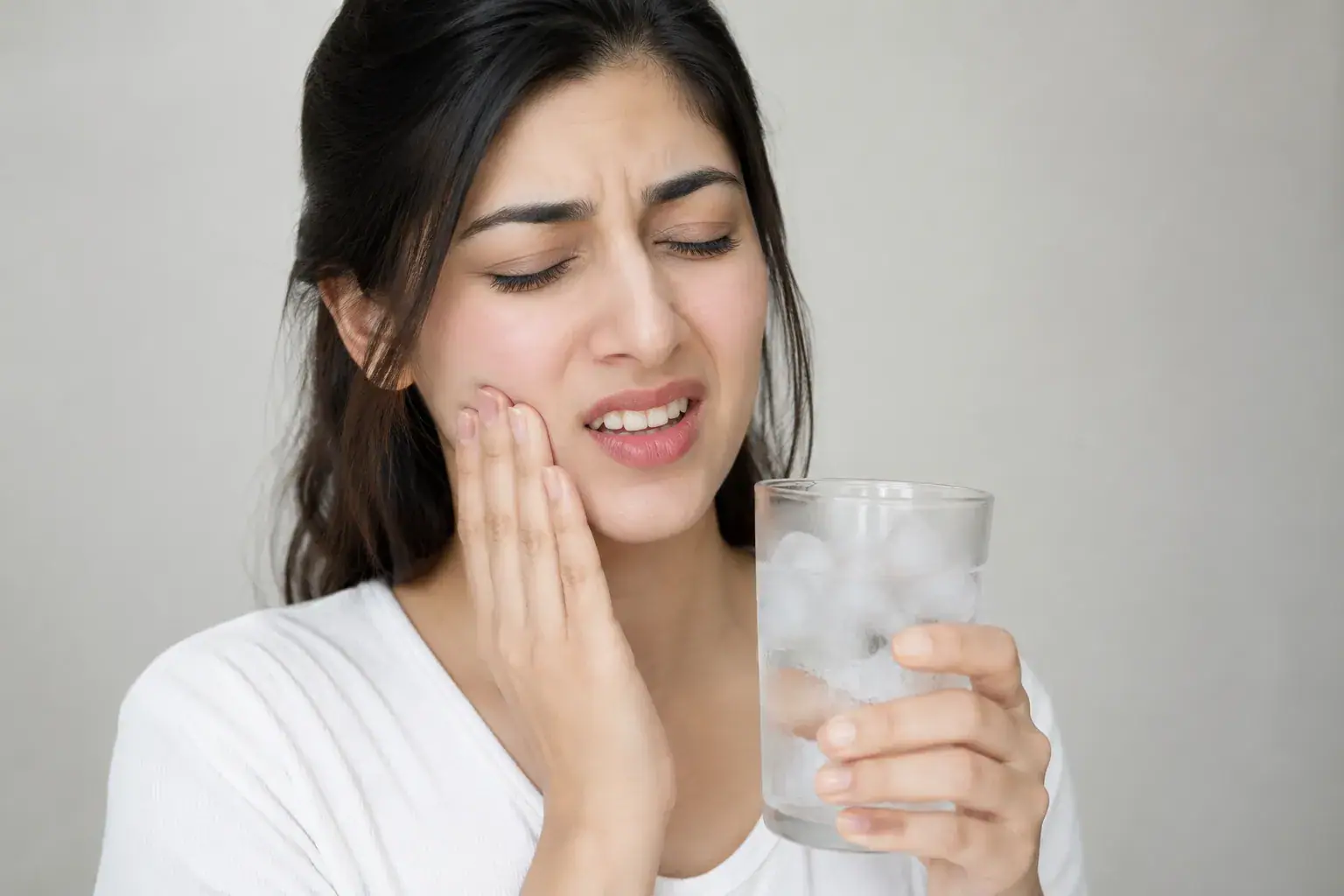
Why Teeth Become Sensitive: Causes, Prevention and Treatment
Sharp pain when drinking cold water or eating sweets? Learn what drives tooth sensitivity, how to prevent it, and which treatments actually work.