Mouth Breathing: The Hidden Cause of Crooked Teeth, Bad Breath & Poor Sleep

Mouth breathing can affect more than just your sleep. Learn how it contributes to bad breath, gum disease, crooked teeth, and facial development—and what you can do about it.
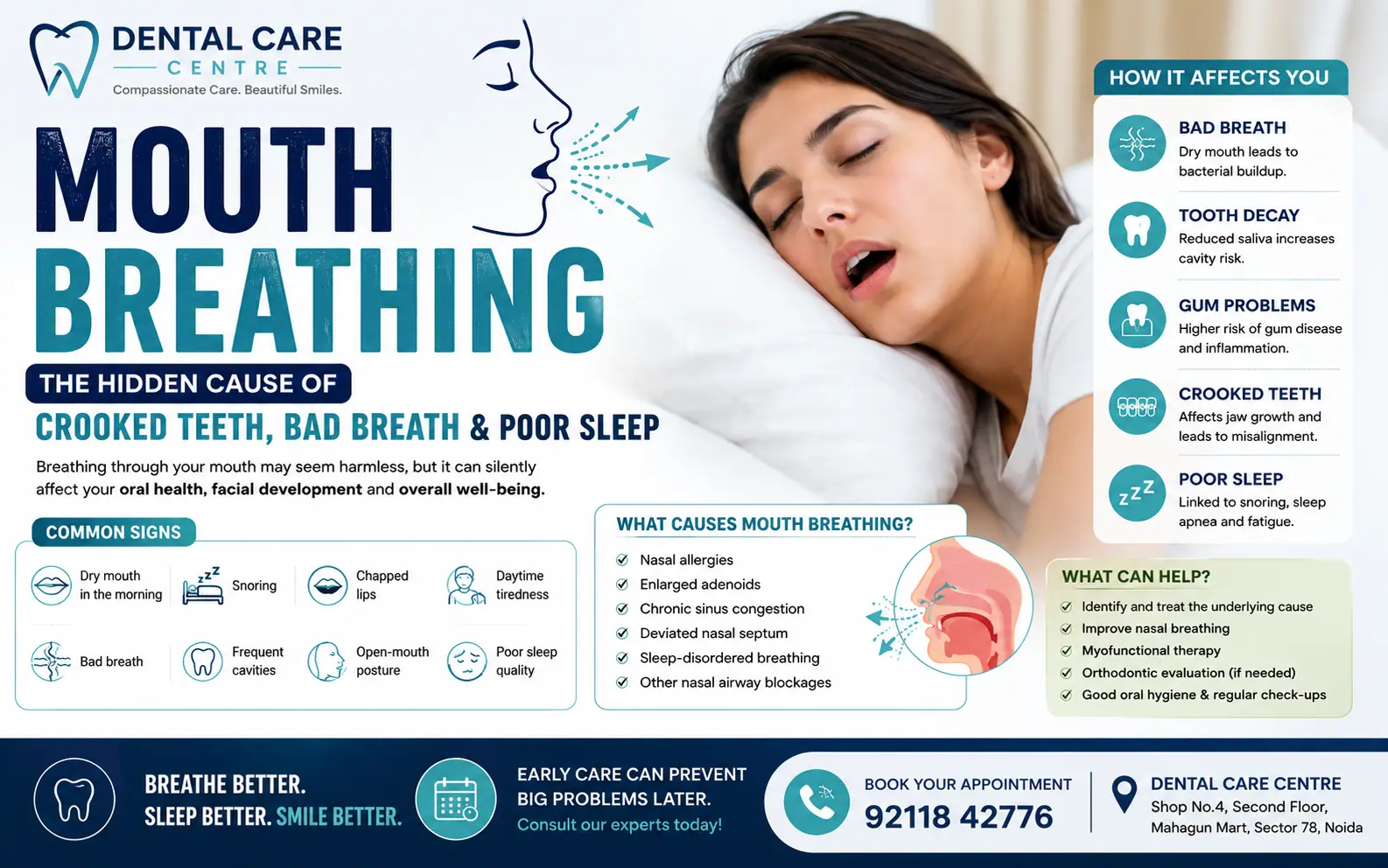
Breathing through your mouth instead of your nose may seem harmless, but it can significantly impact your oral health. Chronic mouth breathing is linked to bad breath, dry mouth, cavities, gum disease, poor sleep quality, and even changes in facial growth and tooth alignment. The good news is that identifying and treating the cause early can help prevent long-term dental and health problems.
Why Mouth Breathing Matters
Your nose is designed to filter, humidify, and warm the air you breathe. When you breathe through your mouth regularly, your oral tissues become dry, reducing the protective effects of saliva.
Saliva helps:
Wash away bacteria
Neutralize harmful acids
Protect tooth enamel
Keep gums healthy
Without enough saliva, oral health problems become more likely.
Common Signs of Mouth Breathing
You may be a mouth breather if you experience:
Dry mouth upon waking
Persistent bad breath
Snoring
Poor sleep quality
Frequent cavities
Chapped lips
Daytime fatigue
Open-mouth posture during rest
Parents may notice these signs in children, especially during sleep.
How Mouth Breathing Affects Your Teeth
Increased Risk of Cavities
A dry mouth creates the perfect environment for cavity-causing bacteria to grow.
Higher Risk of Gum Disease
Reduced saliva allows plaque and bacteria to accumulate more easily along the gumline.
Bad Breath
Dry oral tissues and bacterial buildup are major causes of chronic bad breath.
Tooth Wear
Some mouth breathers also experience nighttime grinding, which can accelerate tooth wear.
The Connection Between Mouth Breathing and Crooked Teeth
In growing children, chronic mouth breathing can affect jaw and facial development.
Potential effects include:
Narrow upper jaw
Crowded teeth
Increased overjet
Open bite
Long facial appearance
Early orthodontic evaluation can help identify these issues before they become more severe.
What Causes Mouth Breathing?
Several conditions may contribute to mouth breathing:
Nasal allergies
Enlarged adenoids
Chronic sinus congestion
Deviated nasal septum
Nasal polyps
Sleep-disordered breathing
Identifying the underlying cause is often the first step toward effective treatment.
How Dentists Can Help
During a routine dental examination, your dentist may identify signs of mouth breathing such as:
Dry oral tissues
Increased cavity activity
Gum inflammation
Specific bite and jaw changes
Depending on the findings, collaboration with an ENT specialist, orthodontist, or sleep physician may be recommended.
Treatment Options
Treatment depends on the underlying cause and may include:
Allergy management
Nasal airway treatment
Orthodontic correction
Myofunctional therapy
Sleep apnea evaluation
Improved oral hygiene and hydration
When Should You Seek Professional Advice?
Consider scheduling an evaluation if you or your child experience:
Frequent cavities despite good brushing habits
Persistent bad breath
Snoring
Daytime tiredness
Crooked teeth developing early
Regular dry mouth
Early intervention can improve both oral health and overall well-being.
Final Thoughts
Mouth breathing is often overlooked, but its effects on dental health can be significant. From cavities and gum disease to orthodontic problems and poor sleep, addressing mouth breathing early can protect your smile and improve quality of life. If you suspect that you or your child may be a mouth breather, a comprehensive dental assessment can help identify the signs and guide the next steps.
SEO Overrides (Optional)
Free 15-minute consultation. We'll review your specific case and walk you through your options — no pressure, no upselling.
Treatments mentioned in this article
More from the Blog
All 23 articles →
The Dental Hygiene Routine Your Dentist Recommends
Discover the oral care tips dentists actually stand behind — from brushing angles to flossing technique — so your daily habits genuinely protect your teeth.
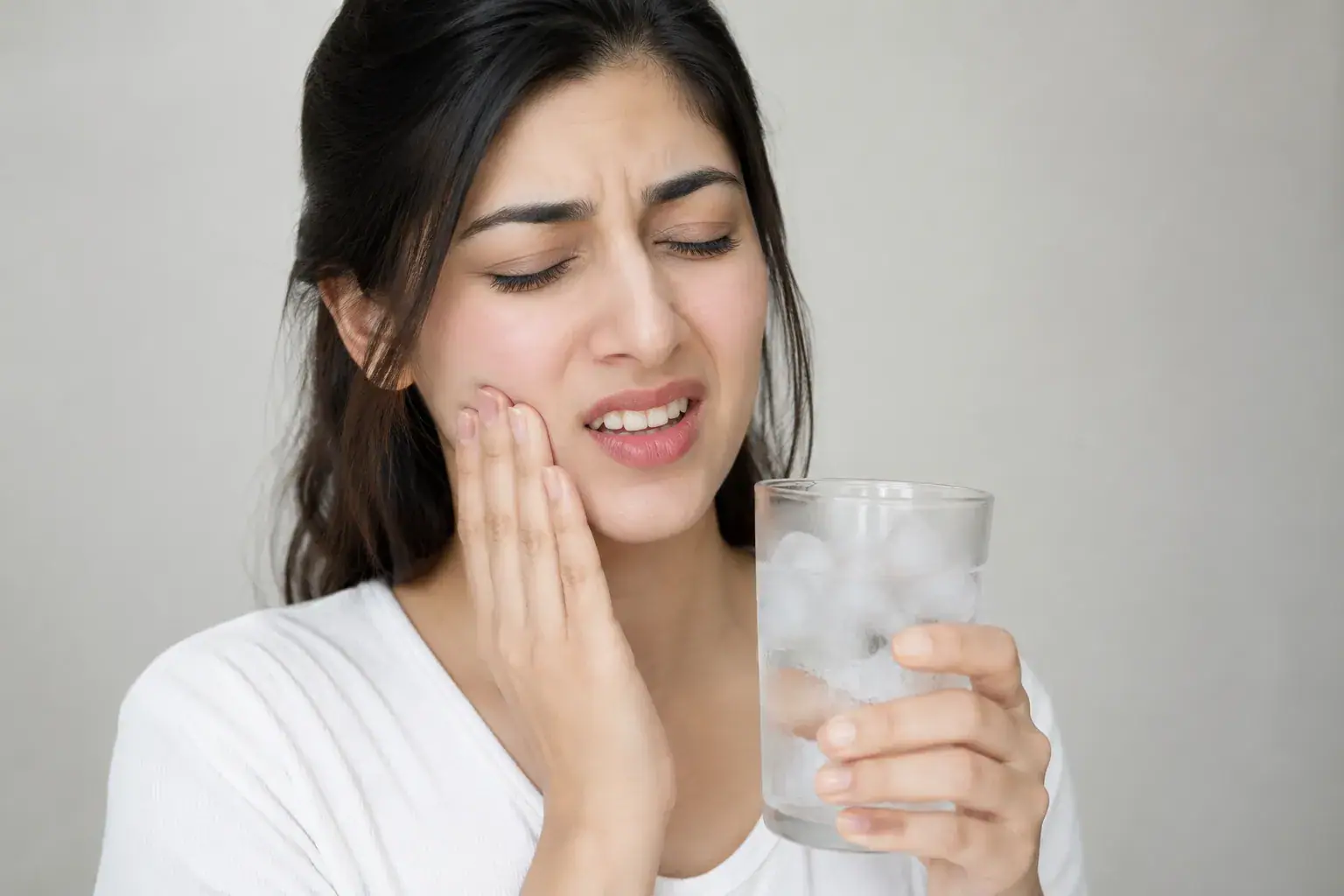
Why Teeth Become Sensitive: Causes, Prevention and Treatment
Sharp pain when drinking cold water or eating sweets? Learn what drives tooth sensitivity, how to prevent it, and which treatments actually work.

Knocked Out a Tooth? Your Emergency Dental Guide
A knocked out tooth is a true dental emergency. Learn the exact first-aid steps to take in the first hour — and why speed makes all the difference.