The Dental Hygiene Routine Your Dentist Recommends

Discover the oral care tips dentists actually stand behind — from brushing angles to flossing technique — so your daily habits genuinely protect your teeth.
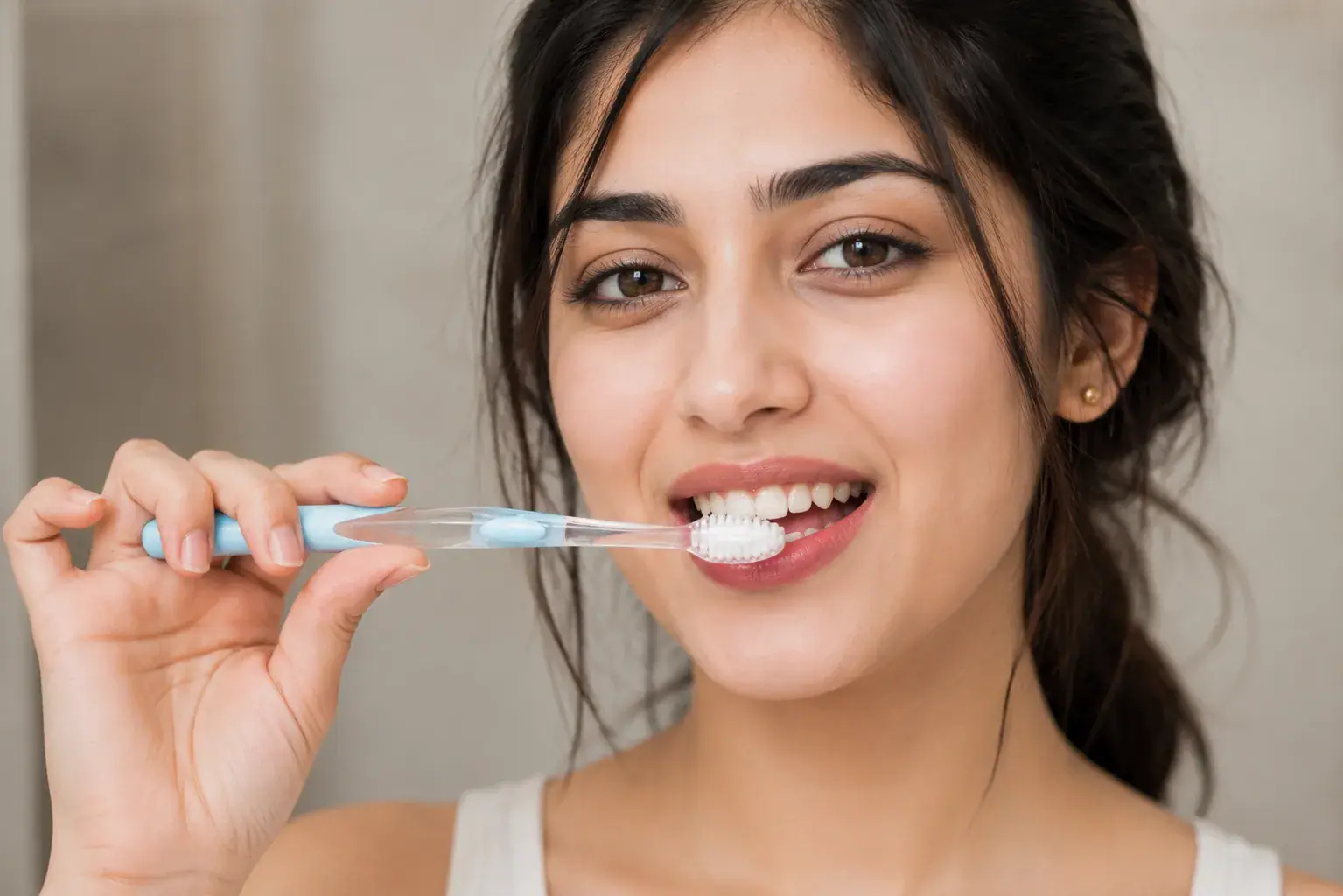
Why your daily habits matter more than your six-monthly visit
Most people visit a dentist twice a year at most. The other 363 days, your teeth are entirely in your own hands. That makes your daily dental hygiene routine the single most important factor in determining whether you keep your natural teeth well into old age — or spend those years managing avoidable problems.
The challenge is that there is a lot of conflicting advice out there. Charcoal toothpaste, oil pulling, expensive electric gadgets — it can be difficult to know what genuinely moves the needle. This post distils what current clinical guidelines and our MDS-qualified team consistently recommend, stripped of gimmicks.
The foundation: brushing correctly (not just often)
How long and how often
Brush twice a day — once before bed and once at another point during the day, ideally in the morning. The bedtime brush is the more critical of the two, because saliva flow drops during sleep, reducing its natural cleansing and buffering action.
Brush for a full two minutes. Most people stop somewhere around 45 seconds. If you have not timed yourself recently, you may be surprised.
Technique that actually works
The Bass technique, recommended by periodontists and cited in major dental clinical guidelines, is the standard:
- Hold your brush at a 45-degree angle to the gumline.
- Use short, gentle back-and-forth strokes — roughly the width of one tooth.
- Do not scrub. Aggressive brushing erodes enamel and recedes gums over time.
- Work in a consistent sequence (e.g., outer surfaces, inner surfaces, chewing surfaces) so you never miss a section.
- Brush your tongue lightly — bacterial load on the tongue is a significant contributor to bad breath.
Choosing the right tools
- Toothbrush: A soft-bristled brush — manual or electric — is sufficient for most adults. Medium and hard bristles offer no clinical advantage and increase the risk of abrasion.
- Toothpaste: Use a fluoride toothpaste. The fluoride concentration matters; for most adults, 1,000–1,500 ppm fluoride is standard. Whitening toothpastes with abrasive particles are fine occasionally, but should not be your daily paste if you have sensitive teeth. If you are already dealing with sensitivity, our post on why your teeth are suddenly sensitive and how to actually fix it covers this in detail.
- Electric vs manual: Electric brushes can be easier for people with limited dexterity or those who tend to over-scrub. They are not mandatory for everyone.
Flossing: the step most people skip entirely
Our MDS team reports that a significant proportion of patients presenting with early-stage gum disease have one thing in common — they do not floss. The spaces between teeth are completely inaccessible to a toothbrush, regardless of how good your brushing technique is. Food debris and plaque accumulate there, and if undisturbed, that plaque hardens into tartar within 24 to 72 hours.
If you want to understand where neglect of interdental cleaning can lead, take a look at the seven early signs of gum disease that most Indians ignore — many of them begin precisely in those hard-to-reach spaces.
Flossing technique, step by step
Proper flossing technique makes the process both more effective and less likely to hurt:
- Take roughly 40–45 cm of floss. Wind most of it around your middle fingers, leaving about 3–5 cm to work with.
- Hold the working section taut between thumbs and index fingers.
- Slide gently between teeth using a zig-zag motion — do not snap it into the gums.
- Curve the floss into a C-shape around each tooth and guide it under the gumline, moving it up and down against the tooth surface.
- Use a clean section of floss for each gap.
- Floss once daily — evening, before brushing, is ideal.
Alternatives if standard floss is difficult
- Interdental brushes: Clinically effective for larger gaps, particularly after orthodontic treatment.
- Water flossers: A reasonable supplement, especially useful for people with bridges, implants, or braces. They do not replace floss entirely but improve compliance for those who find string floss genuinely difficult to manage.
- Floss picks: Convenient but limited — you cannot achieve a proper C-shape curve with a rigid pick.
The rest of your oral care routine
Mouthwash: helpful, not essential
An antibacterial or fluoride mouthwash can be a useful addition, but it does not compensate for poor brushing or absent flossing. If you use mouthwash, do not use it immediately after brushing — you will rinse away the concentrated fluoride from your toothpaste. Use it at a different time, such as after lunch.
Diet and what it does to your teeth
No oral care tips guide is complete without mentioning diet. Fermentable carbohydrates — sugars and refined starches — are the substrate that oral bacteria use to produce enamel-dissolving acids. Frequency matters more than total quantity: sipping sugary drinks throughout the day is more damaging than consuming the same amount in one sitting, because the acidic attack is prolonged.
- Limit sugary and acidic drinks.
- Wait 30 minutes after eating acidic foods before brushing — acid temporarily softens enamel and brushing too soon can worsen erosion.
- Drink water, particularly fluoridated water where available.
Regular professional cleaning
Home care removes plaque. It cannot remove tartar (calculus), which requires professional scaling. Most adults benefit from a professional clean every six months; those with a history of gum disease may need more frequent visits. This is not optional maintenance — it is the part of the dental hygiene routine that your home tools simply cannot replicate.
For patients who are pregnant, it is worth noting that routine professional cleaning is considered safe throughout pregnancy, and in fact particularly important given hormonal changes that increase gum sensitivity. Our guide to pregnancy and dental care covers what to continue, what to delay, and what to tell your dentist.
Common mistakes that undo good habits
- Rinsing with water immediately after brushing — this washes away protective fluoride. Spit, but do not rinse.
- Brushing immediately after vomiting or consuming acidic food — wait 30 minutes.
- Replacing your toothbrush too infrequently — bristles fray and lose efficacy after about three months, or sooner after illness.
- Brushing too hard — pressure does not improve cleaning; it damages.
- Neglecting the back teeth — the molars are where most cavities occur, partly because they are the easiest to rush through.
Local considerations for Noida patients
Patients in Noida and the wider NCR region often present with a combination of high-starch dietary habits and variable water fluoride levels across different sectors. If your local water supply has low fluoride, your dentist may recommend a fluoride supplement or a higher-concentration toothpaste — this is worth confirming at your next visit.
At Dental Care Centre in Sector 78, Noida, our multi-speciality team — including MDS specialists in periodontics and preventive dentistry — regularly sees patients whose concerns could have been avoided or significantly minimised with a consistent, evidence-based home routine. The goal of every consultation here is not simply to treat what has gone wrong, but to help patients build habits that prevent the next problem.
Noida's urban lifestyle also means many patients consume a high volume of tea, coffee, and carbonated drinks throughout a busy workday. If whitening is a concern alongside general hygiene, it is worth reading our evidence-based breakdown of what actually works in teeth whitening and what doesn't before investing in any over-the-counter product.
Frequently asked questions
Is an electric toothbrush really better than a manual one?
For most people with good technique, a manual soft-bristled brush is entirely adequate. Electric brushes offer a genuine advantage for those who tend to brush too hard, have limited hand mobility, or find it difficult to maintain a consistent technique. In most cases, the brush you use consistently and correctly will outperform a premium brush used carelessly.
How do I know if my flossing technique is working?
If your gums bleed every time you floss, that is typically a sign of inflammation — often because flossing is infrequent or technique needs adjustment, not because flossing itself is harmful. With consistent daily flossing and correct C-shape technique, most people see bleeding reduce within one to two weeks. If bleeding persists, a dentist should assess for underlying gum disease.
Should children follow the same dental hygiene routine as adults?
The principles are similar, but the specifics differ — fluoride toothpaste quantities, flossing assistance, and supervision requirements all vary by age. Children under seven typically need an adult to guide or assist brushing. If you are establishing habits early, our detailed guide on preparing your child for their first dental visit is a helpful starting point.
Does mouthwash replace flossing?
No. Mouthwash is an antimicrobial rinse that reduces bacterial load in areas it can reach, but it cannot physically dislodge plaque or food particles from between teeth. Flossing technique and consistency remain irreplaceable for interdental health. Mouthwash is best understood as a supplement, not a substitute.
How often should I replace my toothbrush?
Every three months, or when bristles visibly splay — whichever comes first. A frayed brush is significantly less effective. Also replace your brush after any illness involving the mouth or throat to avoid reintroducing bacteria.
Can a good home routine prevent the need for major dental work?
In many cases, yes — particularly for caries and early-stage gum disease, which are largely preventable. That said, some conditions have genetic, structural, or systemic contributors that no amount of brushing will entirely prevent. Regular professional check-ups remain essential, because early detection of any problem dramatically expands your treatment options and reduces the complexity of care.
A note from our team
This article is intended as general health information and reflects current clinical guidelines as understood at the time of writing. It does not replace a professional dental assessment tailored to your individual circumstances, medical history, or oral health status. Every patient's mouth is different, and the most effective dental hygiene routine for you may differ from general recommendations. If you have specific concerns — sensitivity, bleeding gums, or it has simply been a while since your last check-up — we would encourage you to book a consultation with our team at Dental Care Centre, Sector 78, Noida, and get advice that is specific to you.
Our doctors do free 15-minute consultations. Come in with a question, leave with a plan.
Treatments mentioned in this article
More from the Blog
All 23 articles →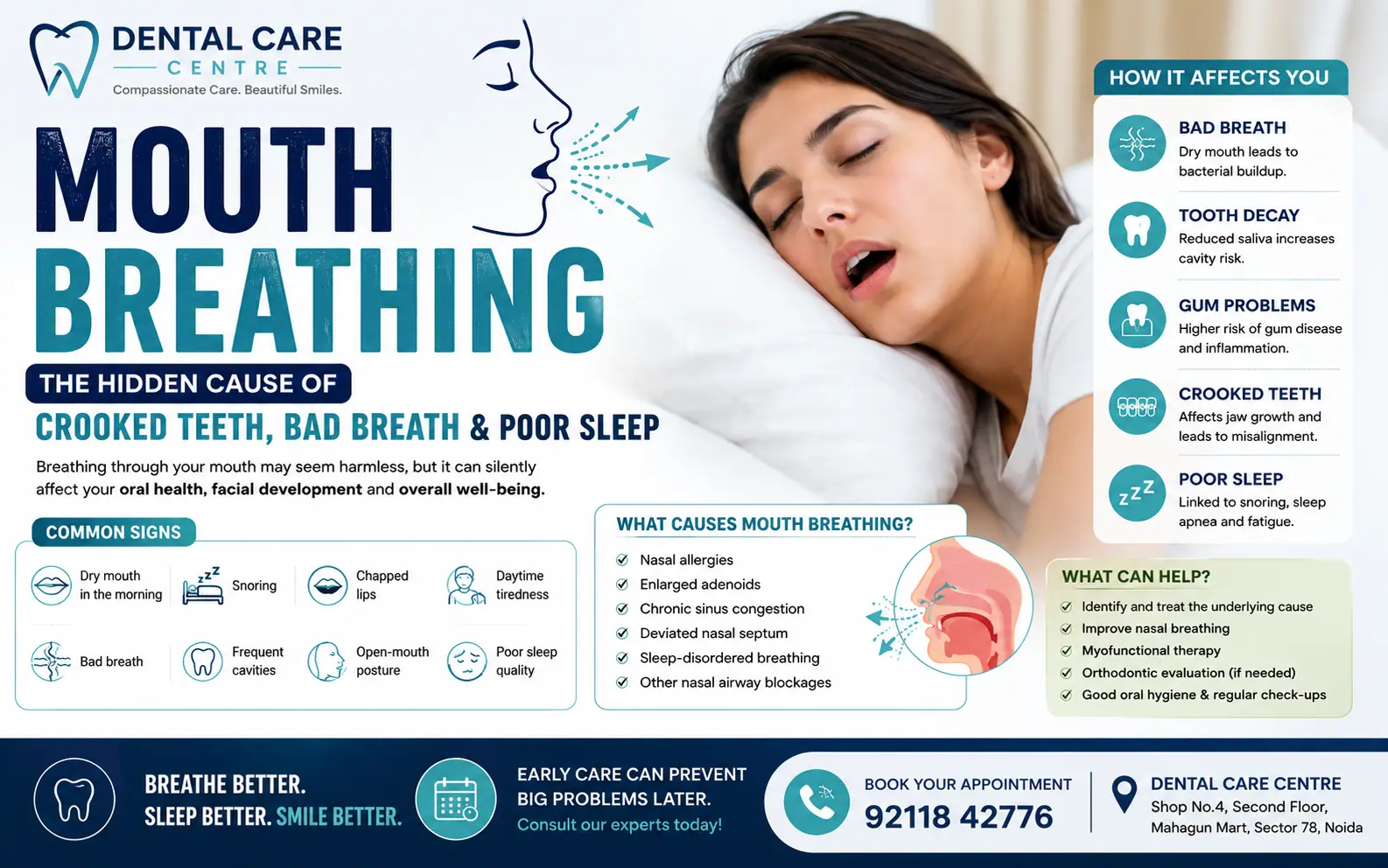
Mouth Breathing: The Hidden Cause of Crooked Teeth, Bad Breath & Poor Sleep
Mouth breathing can affect more than just your sleep. Learn how it contributes to bad breath, gum disease, crooked teeth, and facial development—and what you can do about it.

Why Teeth Become Sensitive: Causes, Prevention and Treatment
Sharp pain when drinking cold water or eating sweets? Learn what drives tooth sensitivity, how to prevent it, and which treatments actually work.
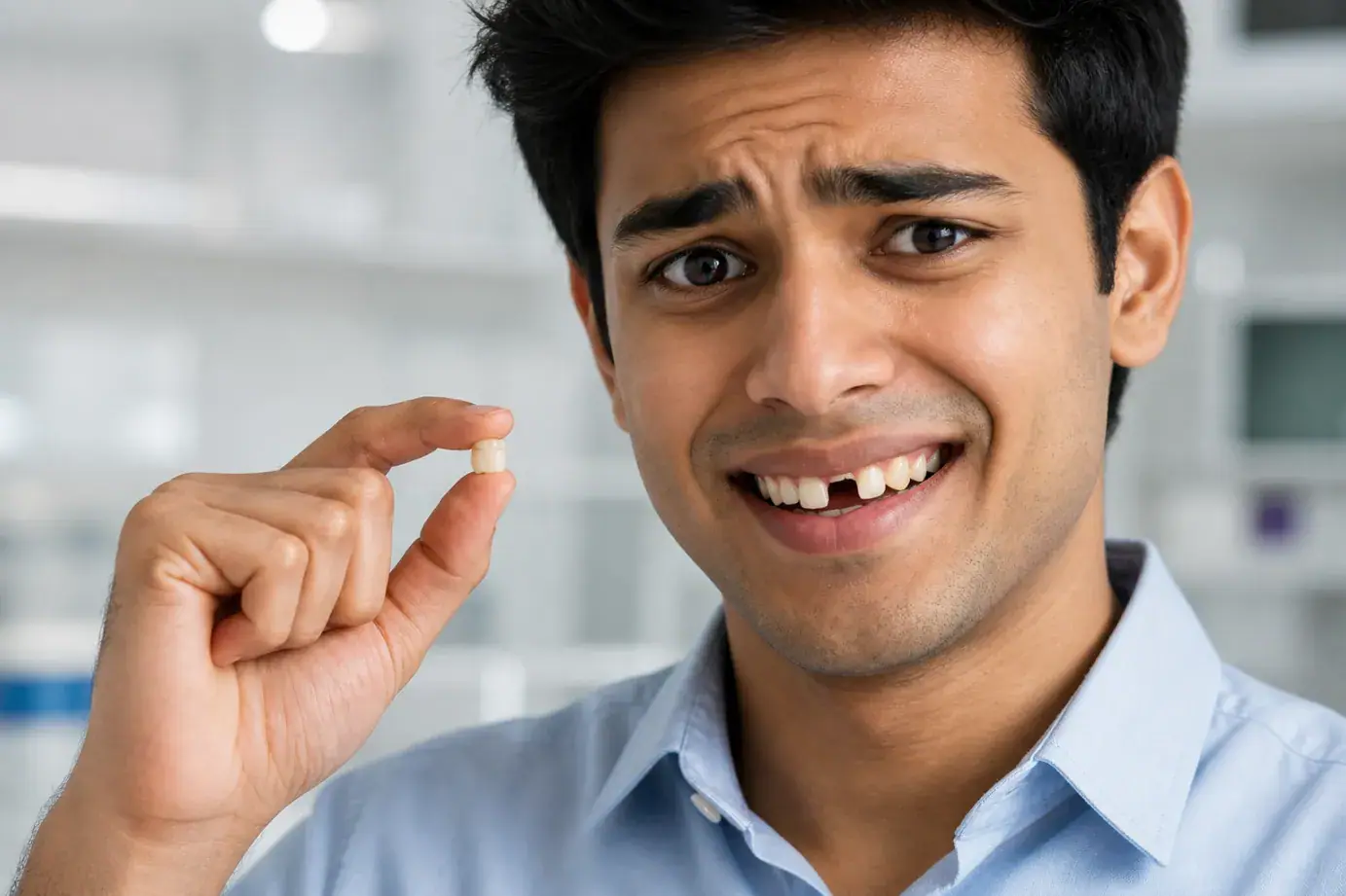
Knocked Out a Tooth? Your Emergency Dental Guide
A knocked out tooth is a true dental emergency. Learn the exact first-aid steps to take in the first hour — and why speed makes all the difference.