Teeth Whitening: What Actually Works and What Doesn't

From professional whitening to strips and charcoal pastes — a clear-headed guide to what genuinely lifts tooth colour and what simply won't.
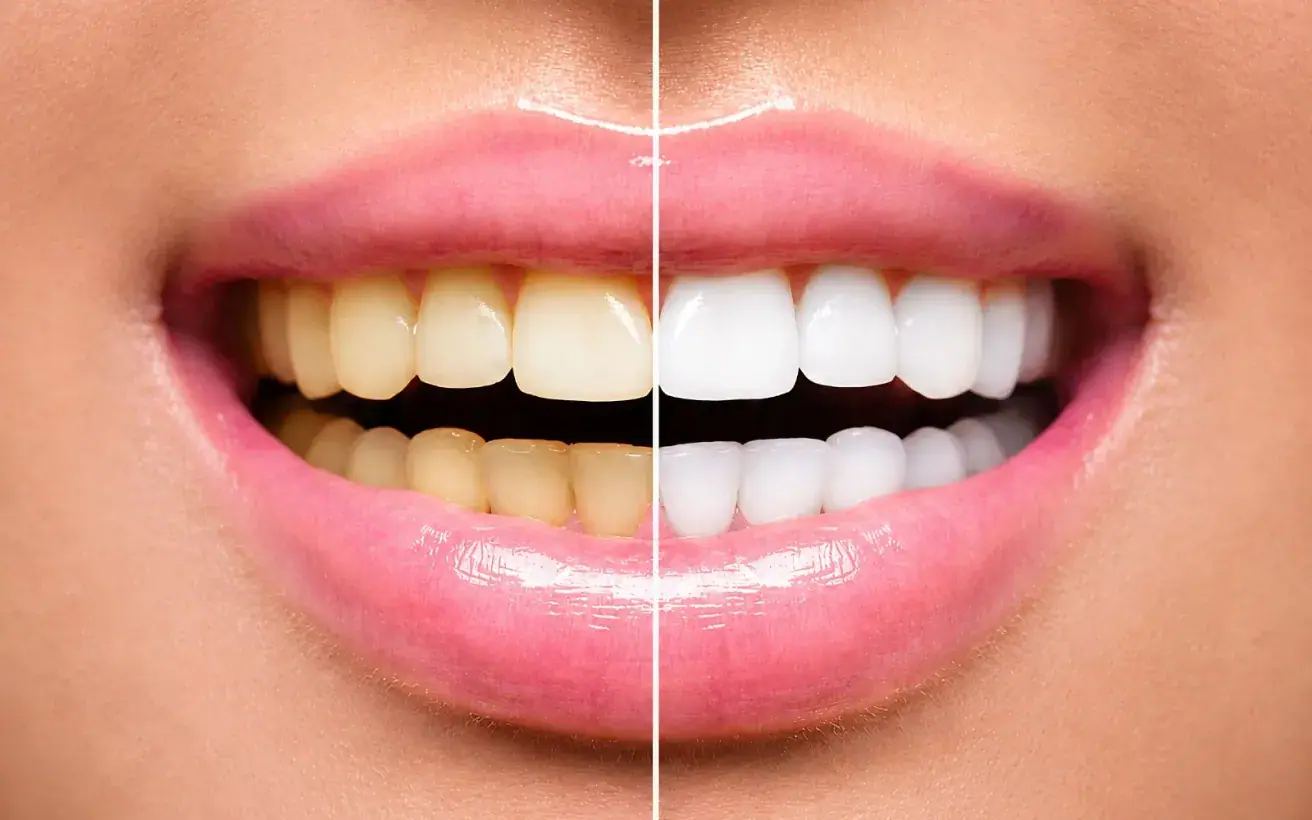
Why tooth colour matters more than most people admit
A dull or yellowed smile can affect how confident you feel in photographs, interviews, and everyday conversations. Yet teeth whitening is also one of the most misunderstood areas in dentistry — crowded with products that make bold promises and deliver modest results, or worse, cause sensitivity and enamel damage when used incorrectly.
This guide cuts through the noise. It explains the science behind whitening, maps out where each method sits on the spectrum of safety and effectiveness, and helps you make a genuinely informed decision before spending money or risking your enamel.
How whitening actually works
All clinically validated whitening relies on one of two peroxide compounds — hydrogen peroxide or carbamide peroxide. These molecules are small enough to diffuse through enamel and into dentine, where they break apart chromogen molecules (the organic compounds responsible for staining) through an oxidation reaction.
The key variables are:
- Peroxide concentration — higher concentrations act faster but require clinical supervision
- Contact time — longer exposure increases efficacy up to a point, beyond which sensitivity risk rises sharply
- The nature of the stain — extrinsic stains (tea, coffee, tobacco) respond well; intrinsic stains (tetracycline, fluorosis, post-trauma darkening) respond poorly or not at all
Understanding this last point matters enormously. If your discolouration is intrinsic, whitening gels will not fix it regardless of concentration or contact time. In those cases, our MDS team typically discusses alternatives such as veneers or composite bonding as part of a broader smile design process.
Professional whitening vs strips: an honest comparison
This is the comparison most patients are really asking about, and the answer is more nuanced than marketing on either side suggests.
In-clinic (chairside) whitening
In-clinic whitening uses high-concentration hydrogen peroxide gels (typically 25–40%) activated under controlled conditions. A trained clinician isolates the gums with a protective barrier before application, significantly reducing soft-tissue irritation.
What it does well:
- Produces visible results in a single appointment (usually 60–90 minutes)
- Safe when performed by a trained dental professional following current clinical guidelines
- Allows the clinician to assess whether whitening is appropriate in the first place — cracked teeth, active cavities, or significant gum disease should be addressed before any whitening treatment
Limitations:
- Post-treatment sensitivity is common for 24–48 hours
- Results still depend on stain type; it cannot lighten crowns, veneers, or composite restorations
- Requires a clinical visit
Take-home whitening trays (dentist-prescribed)
Custom-fitted trays loaded with lower-concentration carbamide peroxide (typically 10–16%) and worn for one to two weeks remain one of the most evidence-supported whitening methods available. The custom fit minimises gel contact with gums; the lower concentration reduces sensitivity.
Over-the-counter whitening strips
In the professional whitening vs strips debate, strips are not without merit — but they come with meaningful caveats. Strips available in India typically contain hydrogen peroxide concentrations well below those used clinically, which limits their efficacy. Fit is generic rather than custom, meaning uneven coverage and greater gum contact. Our MDS team reports that patients who have used strips for extended periods without guidance sometimes present with patchy whitening or heightened sensitivity.
Strips can produce modest improvement on light extrinsic staining in otherwise healthy dentition. They are not a substitute for a professional assessment.
Whitening toothpastes
Most whitening toothpastes work through mild abrasives rather than peroxide chemistry. They can reduce surface staining effectively — but they do not change the underlying colour of your teeth. Some patients find them useful as a maintenance step after professional treatment.
Charcoal and bicarbonate-based products
There is currently no robust clinical evidence that activated charcoal whitens teeth. What it demonstrably does is abrade enamel over time. The British Dental Association and equivalent bodies have raised concerns about long-term enamel loss with regular charcoal use. If you are considering a product in this category, it is worth pausing.
Safe teeth whitening: what the guidelines say
Safe teeth whitening is not simply about the product — it is about the clinical context surrounding its use.
Current guidelines from dental regulatory bodies recommend:
- A full dental examination before initiating any whitening treatment
- Treatment of active decay, cracked enamel, or gum disease before whitening
- Supervision or prescription for any product above 0.1% hydrogen peroxide (the EU-aligned standard)
- Use of custom trays over generic where possible
If you experience sensitivity that persists beyond 48–72 hours, or any soft-tissue irritation, stop use and seek a professional review. Sensitivity is common; pain and lasting discomfort are not. It is worth noting that patients who already have sensitive teeth require particularly careful assessment before proceeding — the underlying cause of that sensitivity may affect which whitening protocol, if any, is appropriate.
What whitening cannot fix
This section may be the most practically useful in the whole article.
Whitening will not improve:
- Tetracycline staining — the antibiotic-related grey or brown banding that affects dentine deeply; veneers or crowns are typically the only effective approach
- Dental fluorosis — white spots or brown mottling from excess fluoride during tooth development; microabrasion or veneers are usually indicated
- Post-trauma darkening — a tooth that has darkened following an injury often has compromised pulp tissue; root canal treatment and internal bleaching may be considered
- Existing restorations — fillings, crowns, and veneers do not respond to peroxide and will remain their current shade
When discolouration is part of a broader concern about tooth appearance — chipping, shape, spacing — it is worth considering the full picture before committing to whitening alone. Our team often discusses this in the context of smile design, where whitening may be one element of a coordinated plan.
Local considerations for Noida patients
Patients searching for teeth whitening in Noida encounter a wide range of providers — from mall kiosks and beauty salons offering whitening as an aesthetic service to multi-speciality dental clinics with trained MDS specialists. The distinction matters. Whitening performed without a prior dental examination, by someone without a dental qualification, sits outside accepted clinical practice and carries genuine risk to your enamel and gum tissue.
At Dental Care Centre in Sector 78, Noida, teeth whitening is carried out as part of a broader clinical assessment rather than as a standalone cosmetic transaction. Our multi-speciality approach means that if a patient presents for whitening but has underlying gum disease or untreated decay, those concerns are identified and addressed first — protecting both your health and the longevity of your whitening results.
Noida's climate and water quality are also worth mentioning briefly. High fluoride levels in certain parts of the region can contribute to fluorosis-type discolouration that does not respond to conventional whitening. If your teeth have white spots or uneven patches rather than generalised yellowing, a clinical assessment is particularly important before investing in any whitening treatment.
Frequently asked questions
How long do professional whitening results last?
In most cases, professionally whitened teeth maintain noticeably improved colour for one to three years, depending on diet, oral hygiene, and lifestyle factors such as tobacco or tea and coffee consumption. Occasional top-up treatments with prescribed take-home trays can extend results significantly.
Is whitening safe during pregnancy?
Current clinical guidance recommends avoiding elective whitening during pregnancy. The evidence base on peroxide exposure in pregnancy is limited, and most practitioners apply a precautionary approach. For a broader look at which dental treatments are considered safe during pregnancy, our pregnancy and dental care guide covers this in detail.
Will whitening work on my crowns or veneers?
No. Peroxide-based whitening does not alter the colour of ceramic, composite, or other restorative materials. If you have visible restorations in your smile zone and want to whiten, discuss the sequencing carefully with your dentist — natural teeth may lighten while restorations stay their original shade, creating a mismatch.
I have sensitive teeth — can I still whiten safely?
Often yes, but the approach needs to be tailored. Lower-concentration carbamide peroxide with extended wear times, desensitising pre-treatment, and potassium nitrate-containing toothpastes in the weeks before treatment can all reduce sensitivity risk. The underlying cause of your sensitivity should be assessed first, as this affects what protocol is appropriate.
Are whitening strips sold in India strong enough to make a difference?
Strips available in the Indian market are generally lower in peroxide concentration than those sold in some other markets. They can make a modest difference on light surface staining over several weeks of consistent use, but they are unlikely to match the results of a supervised in-clinic or take-home tray programme. For significant discolouration, professional whitening vs strips is not a close contest.
How many shades can I realistically expect to gain?
This varies considerably depending on your baseline shade, the nature of your staining, and the protocol used. Our MDS team reports that in-clinic treatments typically achieve four to eight shade improvements on the standard Vita scale in straightforward cases. Results on intrinsic staining or heavily stained dentition are less predictable and should be discussed with your clinician before treatment.
A note from our team
The information in this article is intended for general guidance only and does not substitute for a clinical examination by a qualified dental professional. Every patient's dentition, medical history, and whitening goals are different — what works well for one person may be unsuitable for another. If you are considering safe teeth whitening or have questions about which approach makes sense for your specific situation, we welcome you to book a consultation at Dental Care Centre, Sector 78, Noida, where our MDS team can assess your teeth and give you a clear, honest recommendation.
Free 15-minute consultation. We'll review your specific case and walk you through your options — no pressure, no upselling.
Treatments mentioned in this article
More from the Blog
All 23 articles →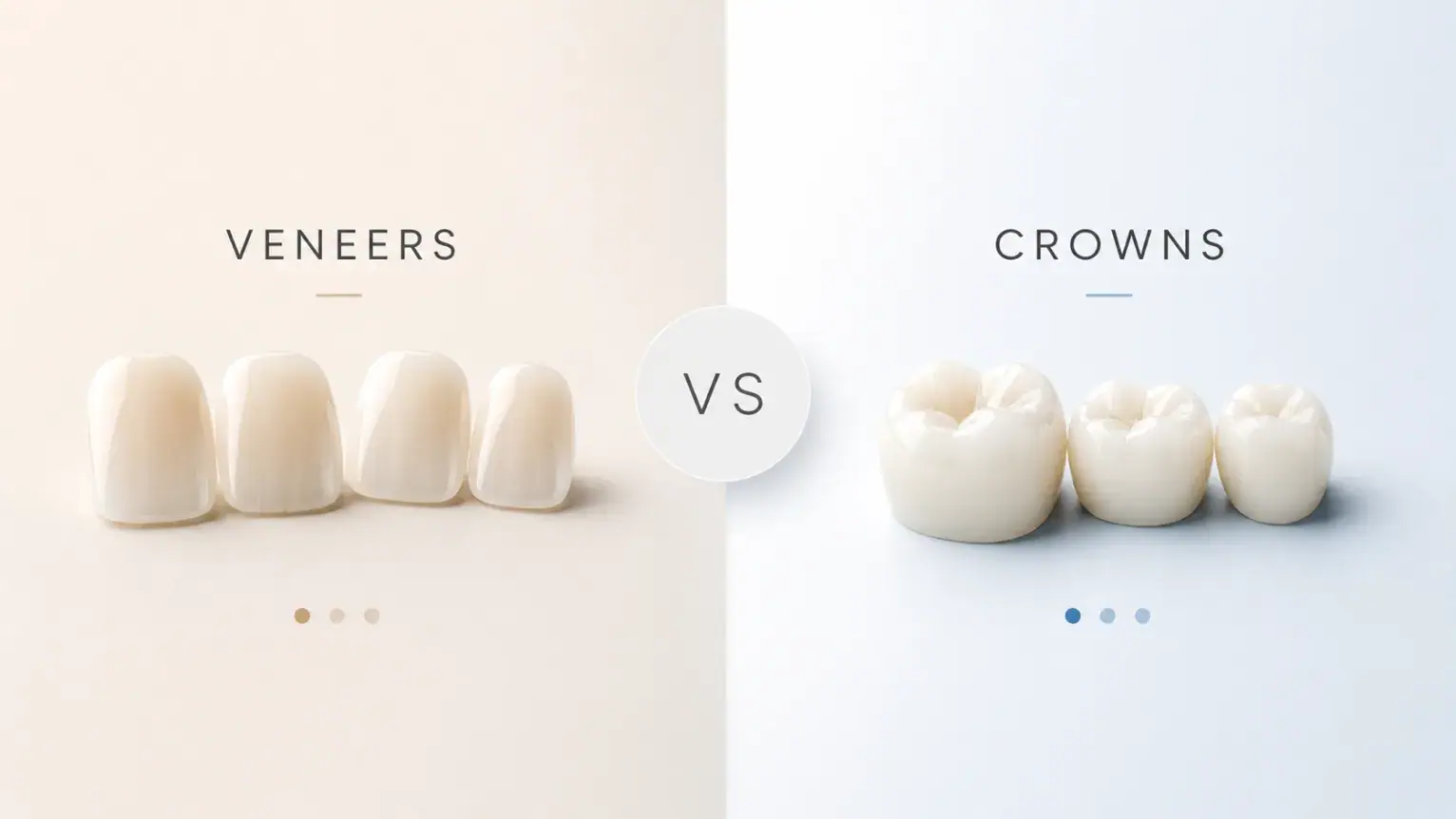
Dental Veneers vs Crowns: Which Is Right for You?
Not sure whether veneers or crowns are the better fix for your teeth? This guide breaks down the key differences so you can make an informed decision.
Why Regular Dental Check-ups Are Essential for a Healthy Smile
Regular dental check-ups help prevent cavities, gum disease, and costly treatments. Learn why visiting your dentist every six months matters.
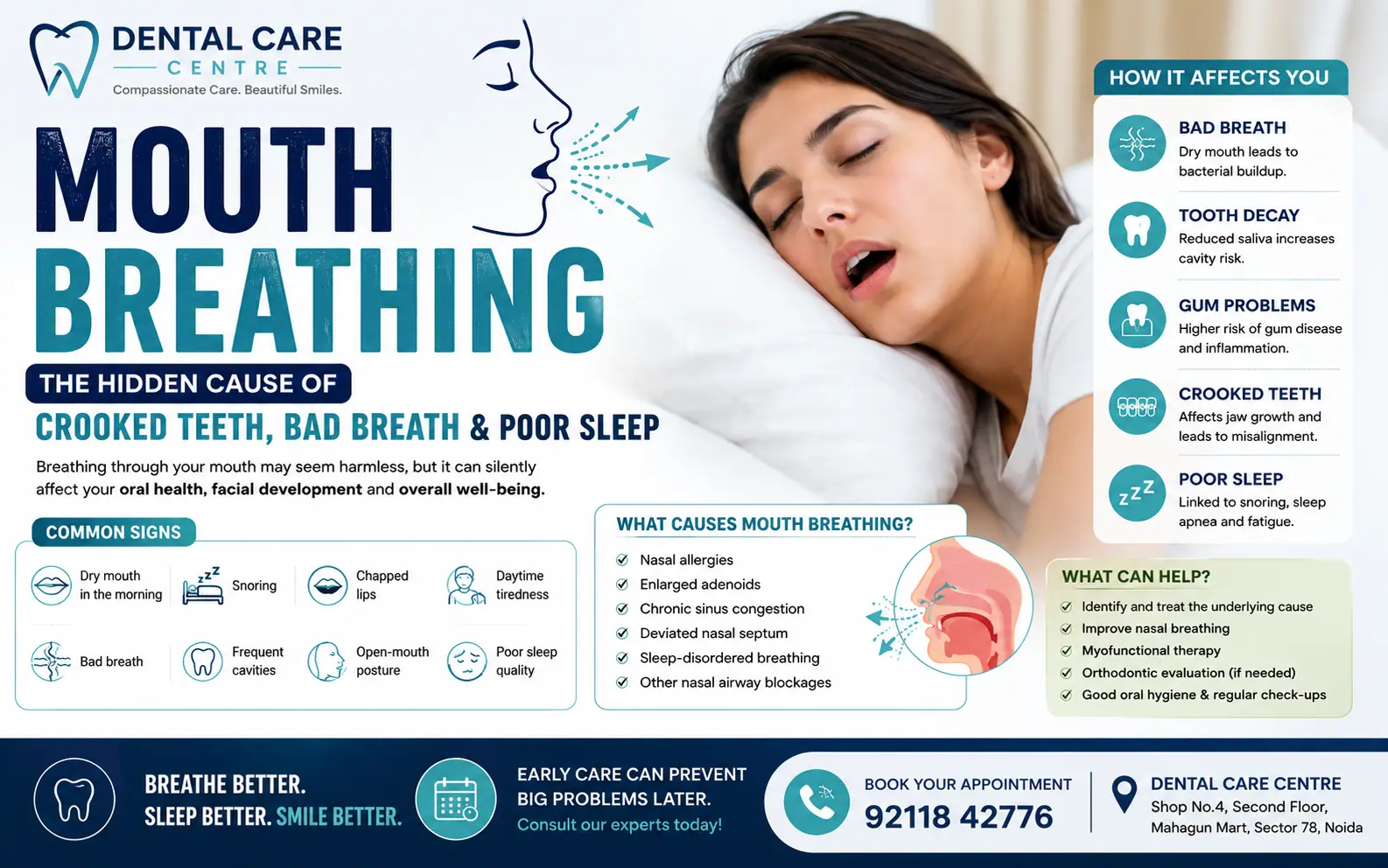
Mouth Breathing: The Hidden Cause of Crooked Teeth, Bad Breath & Poor Sleep
Mouth breathing can affect more than just your sleep. Learn how it contributes to bad breath, gum disease, crooked teeth, and facial development—and what you can do about it.