Why Teeth Become Sensitive: Causes, Prevention and Treatment

Sharp pain when drinking cold water or eating sweets? Learn what drives tooth sensitivity, how to prevent it, and which treatments actually work.
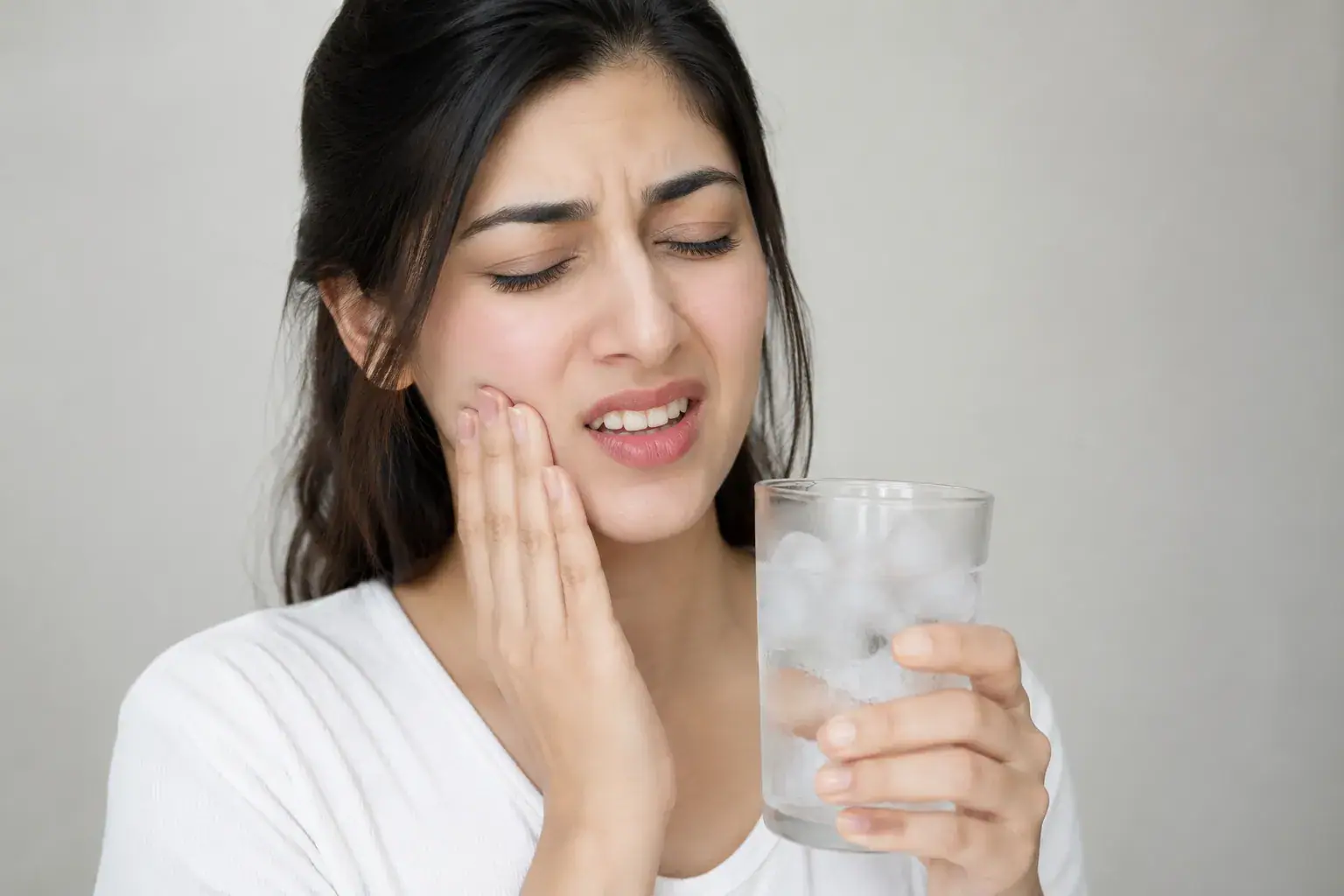
What is tooth sensitivity — and why does it matter?
That sudden, sharp twinge when you sip cold water or bite into something sweet is more than a minor annoyance. Tooth sensitivity is one of the most common dental complaints seen in general practice, and yet many people quietly tolerate it for months — or years — before seeking help. Understanding the underlying sensitive teeth causes can mean the difference between a simple fix and a procedure that could have been avoided entirely.
Sensitivity occurs when the inner layer of a tooth — the dentine — becomes exposed or when the tooth's nerve is disturbed. Dentine contains thousands of microscopic tubules that lead directly to the nerve. When these tubules are open to temperature changes, acids, or pressure, the nerve responds with that characteristic short, sharp pain.
Common sensitive teeth causes
Sensitivity is rarely a single-cause problem. In most cases, our MDS team reports that patients present with two or three overlapping factors that together breach the tooth's natural defences.
Enamel erosion
Enamel is the hardest substance in the human body, but it can wear away over time. Frequent consumption of acidic foods and beverages — citrus fruits, fizzy drinks, vinegar-based condiments — gradually dissolves the outer layer. Once enamel is lost, it does not regenerate, which is why early intervention matters.
Gum recession
When the gum tissue pulls back from the tooth, it exposes the root surface, which has no enamel covering at all. Gum recession can result from aggressive brushing, unaddressed gum disease, or simply the natural ageing process. The exposed root is far more susceptible to temperature and pressure.
Tooth grinding (bruxism)
Grinding or clenching — often during sleep — strips enamel from the biting surfaces over time. Many people are unaware they grind at all until a dentist identifies the telltale wear patterns. Bruxism-related sensitivity tends to affect multiple teeth simultaneously rather than a single tooth.
Dental procedures
Some degree of temporary sensitivity is normal after professional cleaning, tooth whitening, or the placement of a new filling. This typically settles within a few days to a couple of weeks. If you are considering a teeth whitening treatment, discussing your sensitivity history with your dentist beforehand is worthwhile.
Cracked or chipped teeth
Even a hairline crack can allow temperature and bacteria to reach the dentine or nerve. A chipped or fractured tooth should be assessed promptly — what begins as mild sensitivity can escalate if the crack propagates.
Tooth decay and failing restorations
Cavities that have not been treated, and old fillings that have begun to break down, create pathways for thermal and chemical stimuli to reach the nerve. Sensitivity localised to a single tooth is often an early signal of decay worth investigating.
Over-the-counter whitening products
Some whitening strips and toothpastes contain abrasive agents or peroxide concentrations that temporarily increase dentinal permeability. Used too frequently or without professional guidance, they can worsen sensitivity.
How to prevent tooth sensitivity
Prevention is considerably simpler — and less costly — than treatment. The following measures are consistent with current clinical guidelines and are routinely recommended by MDS-qualified periodontists and restorative dentists:
- Use a soft-bristled toothbrush. Hard bristles and vigorous scrubbing accelerate both enamel wear and gum recession. Gentle, circular or modified-Bass technique strokes are preferable.
- Choose a fluoride toothpaste. Fluoride helps remineralise early enamel damage and reinforces dentinal tubule occlusion when a desensitising toothpaste is used.
- Limit acidic foods and drinks. When you do consume them, rinse with water afterwards rather than brushing immediately — the enamel is temporarily softened and more vulnerable to abrasion.
- Wear a night guard if you grind. A custom-fabricated occlusal splint from your dentist fits far better than over-the-counter options and distributes forces more evenly.
- Attend routine check-ups. Receding gums, early decay, and cracking are far easier to manage when caught at the six-monthly or annual stage.
Tooth sensitivity treatment options
The right approach depends entirely on the underlying cause. A multi-speciality dental team can assess sensitivity from every angle — restorative, periodontal, and endodontic — rather than treating only the symptom.
Desensitising toothpaste
Products containing potassium nitrate or stannous fluoride are a first-line recommendation. They work by either calming the nerve signal or physically blocking open dentinal tubules. Consistent, twice-daily use over four to six weeks is typically needed before meaningful relief is felt.
Fluoride varnish and bonding agents
Applied in-clinic, fluoride varnish or dentine-bonding resin can seal exposed tubules quickly. These are particularly useful for patients with localised sensitivity or post-procedural discomfort following scaling and root planing.
Gum grafting
Where gum recession is the primary driver, a soft-tissue graft — usually performed by a periodontist — can cover exposed root surfaces, reduce sensitivity, and protect against further recession. This is a well-established procedure with reliable long-term outcomes in appropriately selected cases.
Restorations and crowns
If decay or a cracked tooth is responsible, a filling, inlay, or crown addresses the structural problem directly. Sensitivity that stems from dental infection may ultimately require root canal treatment — a procedure that is considerably more comfortable with modern anaesthetic protocols than its reputation suggests.
Lifestyle adjustments
In some cases, sensitivity is substantially driven by diet and habits. A dietary review with your dentist, adjustments to brushing technique, and management of acid reflux (if present) can produce significant improvement without any clinical intervention at all.
Local considerations for Noida patients
Patients living in Sector 78 and the wider Noida region face a specific environmental factor worth noting: the local water supply is relatively high in total dissolved solids, and many households rely on RO-filtered water, which removes naturally occurring fluoride. For patients already prone to sensitivity, supplemental fluoride from toothpaste and professional varnish applications becomes especially important.
At Dental Care Centre in Sector 78, Noida, our multi-speciality team — including MDS specialists in periodontics, restorative dentistry, and endodontics — assesses sensitive teeth causes through a structured clinical protocol rather than a one-size-fits-all approach. This means the tooth sensitivity treatment recommended to you is matched to your specific diagnosis, not simply the most common solution.
For those who have recently relocated to Noida or are returning after a gap in dental care, an initial comprehensive examination is a practical starting point. Sensitivity that has been present for several months without a clear cause warrants investigation rather than self-management alone.
Frequently asked questions
Is tooth sensitivity a sign of something serious?
Not always, but it should not be dismissed. Sensitivity that is brief and triggered by cold alone is often dentinal and manageable. Sensitivity that lingers for more than thirty seconds, is provoked by heat, or is accompanied by spontaneous pain can indicate nerve involvement and warrants prompt assessment by a dentist.
Can sensitive teeth be permanently cured?
In many cases, yes — if the underlying cause is treated. Sensitivity caused by a cavity disappears once the cavity is filled. Sensitivity from recession can be permanently resolved with a graft. Dentinal sensitivity from enamel erosion can be well-controlled but may require ongoing management since lost enamel does not grow back.
Why have my teeth suddenly become sensitive at this stage of life?
Sudden onset sensitivity in adults is frequently linked to a new habit (such as whitening strips), a change in diet, or a dental event like a new filling or crown. Hormonal changes — including during pregnancy — can also alter gum tissue and increase sensitivity. If you are pregnant and experiencing new dental symptoms, our guidance on pregnancy and dental care may be a helpful read alongside a clinical consultation.
Does desensitising toothpaste work?
For many patients, yes — particularly for generalised dentinal sensitivity. Clinical guidelines support its use as a first-line measure. However, it addresses the symptom rather than the cause. If sensitivity persists beyond six to eight weeks of consistent use, a clinical review is advisable.
Can I whiten my teeth if I already have sensitivity?
In most cases, whitening is not ruled out, but it requires careful planning. A dentist can assess whether the source of your sensitivity contraindicates whitening, recommend a lower-concentration protocol, or pre-treat the teeth with desensitising agents beforehand. Self-directed whitening without this assessment carries a higher risk of worsening symptoms.
How often should I visit the dentist if I have sensitive teeth?
For most patients with active sensitivity, a six-monthly recall interval is appropriate, with additional visits if symptoms change or worsen. Your dentist may recommend more frequent monitoring if recession or erosion is progressive. Regular check-ups remain the most reliable way to catch and manage changes before they become costly.
A note from our team
The information in this article is intended for general educational purposes and reflects current clinical understanding of tooth sensitivity. It is not a substitute for professional dental advice, diagnosis, or personalised treatment planning. Every patient's oral health is different, and only a qualified dentist who has examined your teeth can recommend the right course of action for your specific situation. If you are experiencing persistent or worsening sensitivity, we would encourage you to book a consultation with our team at Dental Care Centre, Sector 78, Noida — a full clinical assessment is the most reliable first step toward lasting relief.
Our doctors do free 15-minute consultations. Come in with a question, leave with a plan.
Treatments mentioned in this article
More from the Blog
All 23 articles →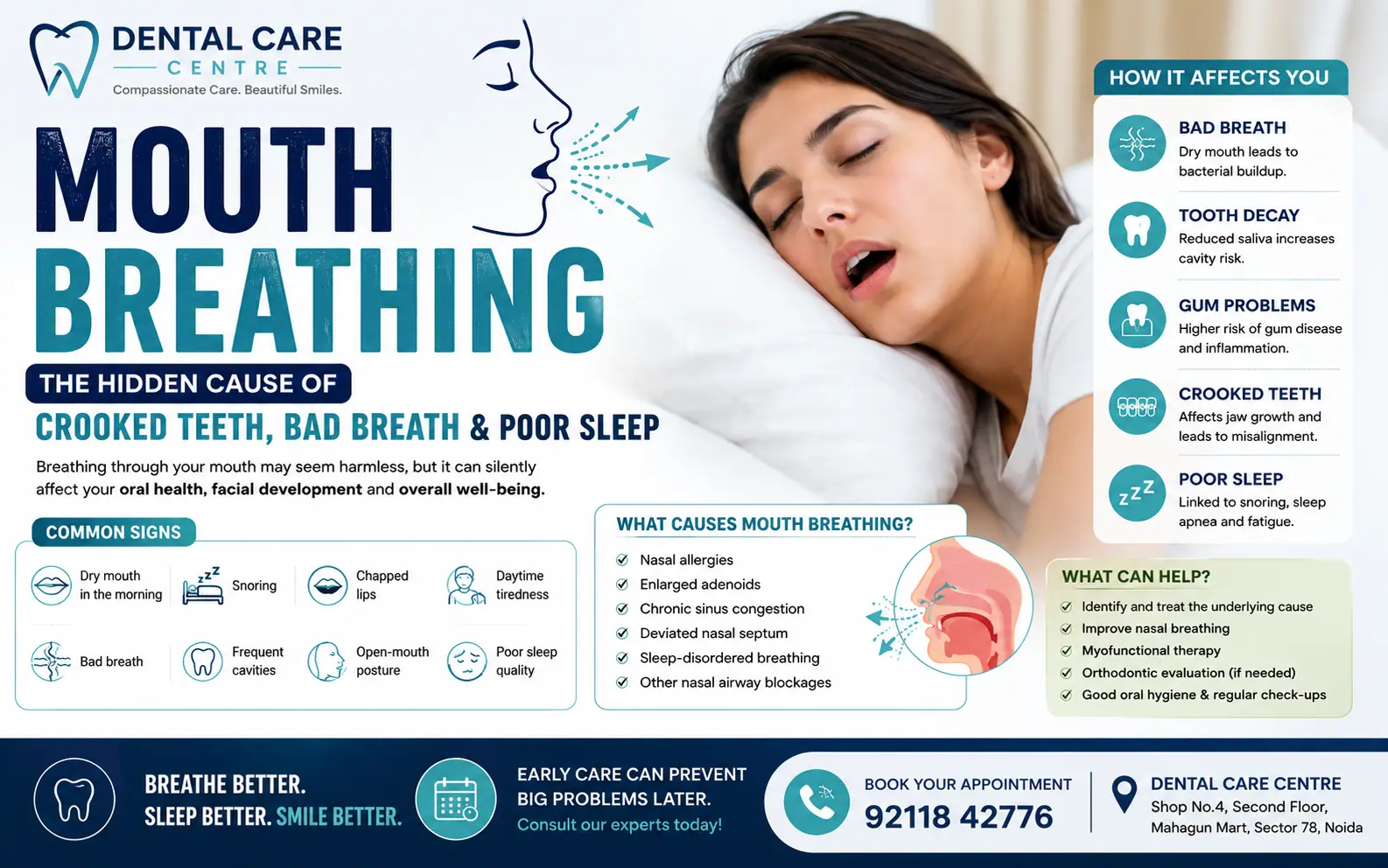
Mouth Breathing: The Hidden Cause of Crooked Teeth, Bad Breath & Poor Sleep
Mouth breathing can affect more than just your sleep. Learn how it contributes to bad breath, gum disease, crooked teeth, and facial development—and what you can do about it.
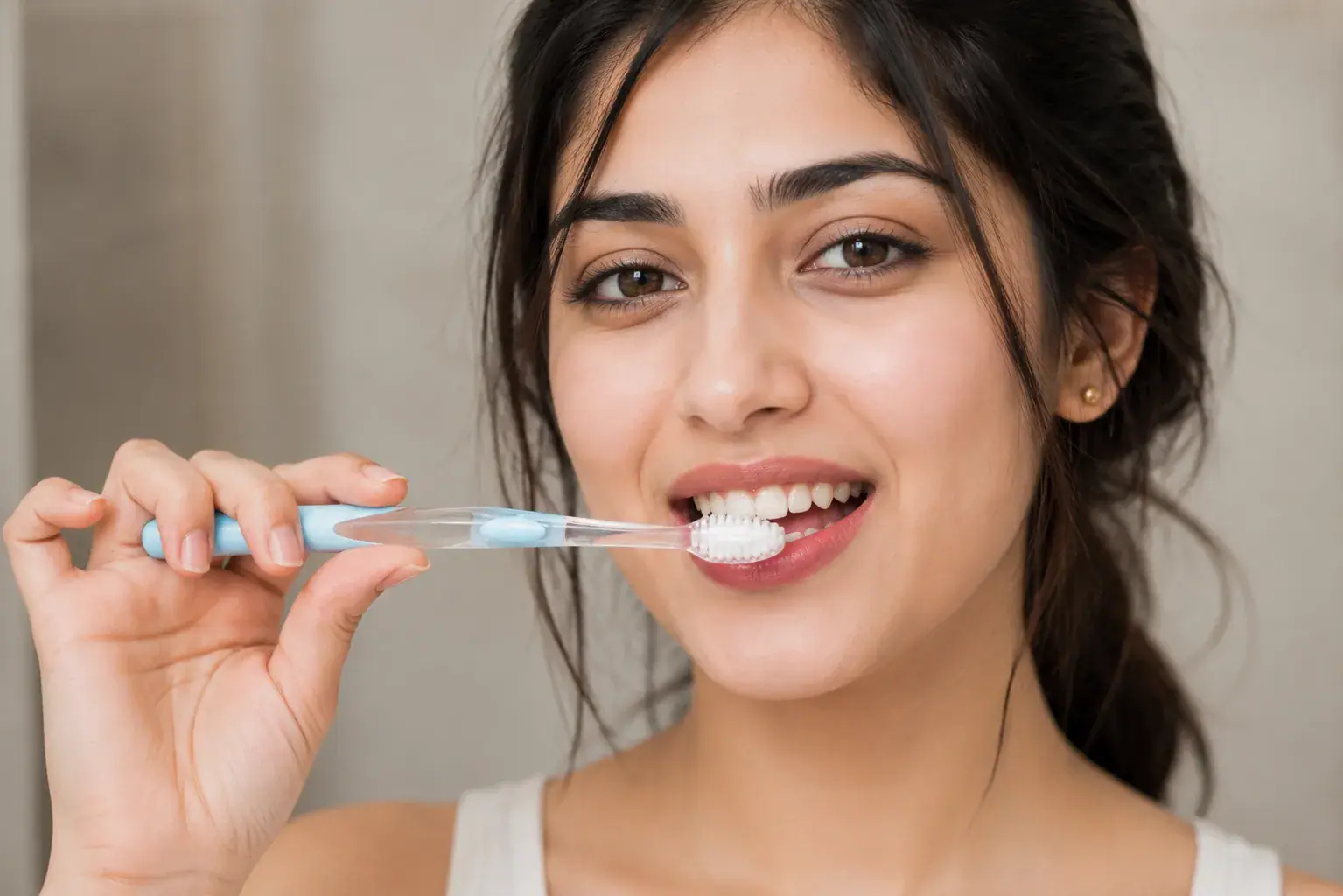
The Dental Hygiene Routine Your Dentist Recommends
Discover the oral care tips dentists actually stand behind — from brushing angles to flossing technique — so your daily habits genuinely protect your teeth.
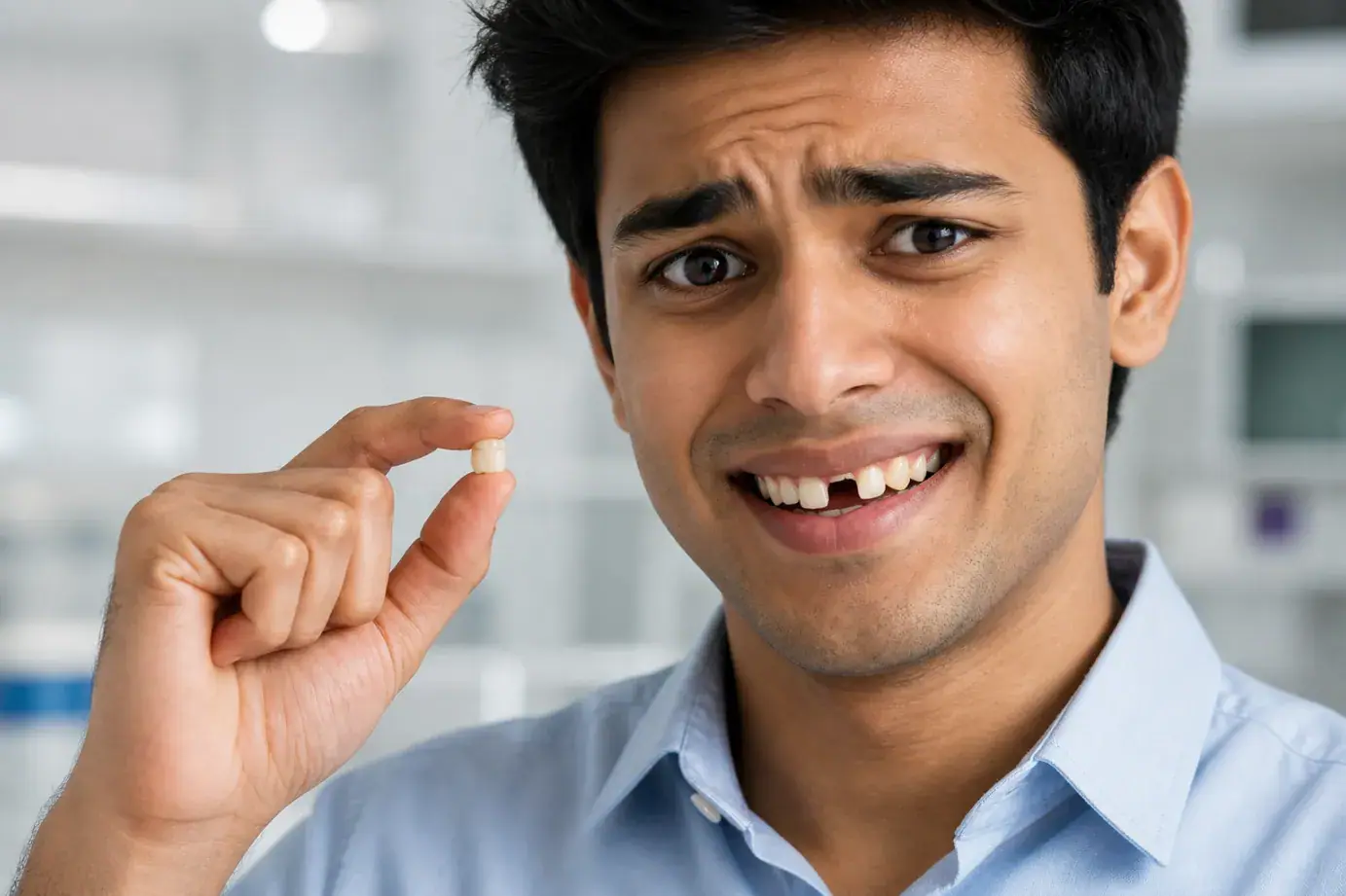
Knocked Out a Tooth? Your Emergency Dental Guide
A knocked out tooth is a true dental emergency. Learn the exact first-aid steps to take in the first hour — and why speed makes all the difference.