How Long Does a Dental Implant Last? An Evidence-Based Answer

Wondering how long a dental implant lasts? We break down what the clinical evidence says about implant longevity, maintenance, and what affects outcomes.
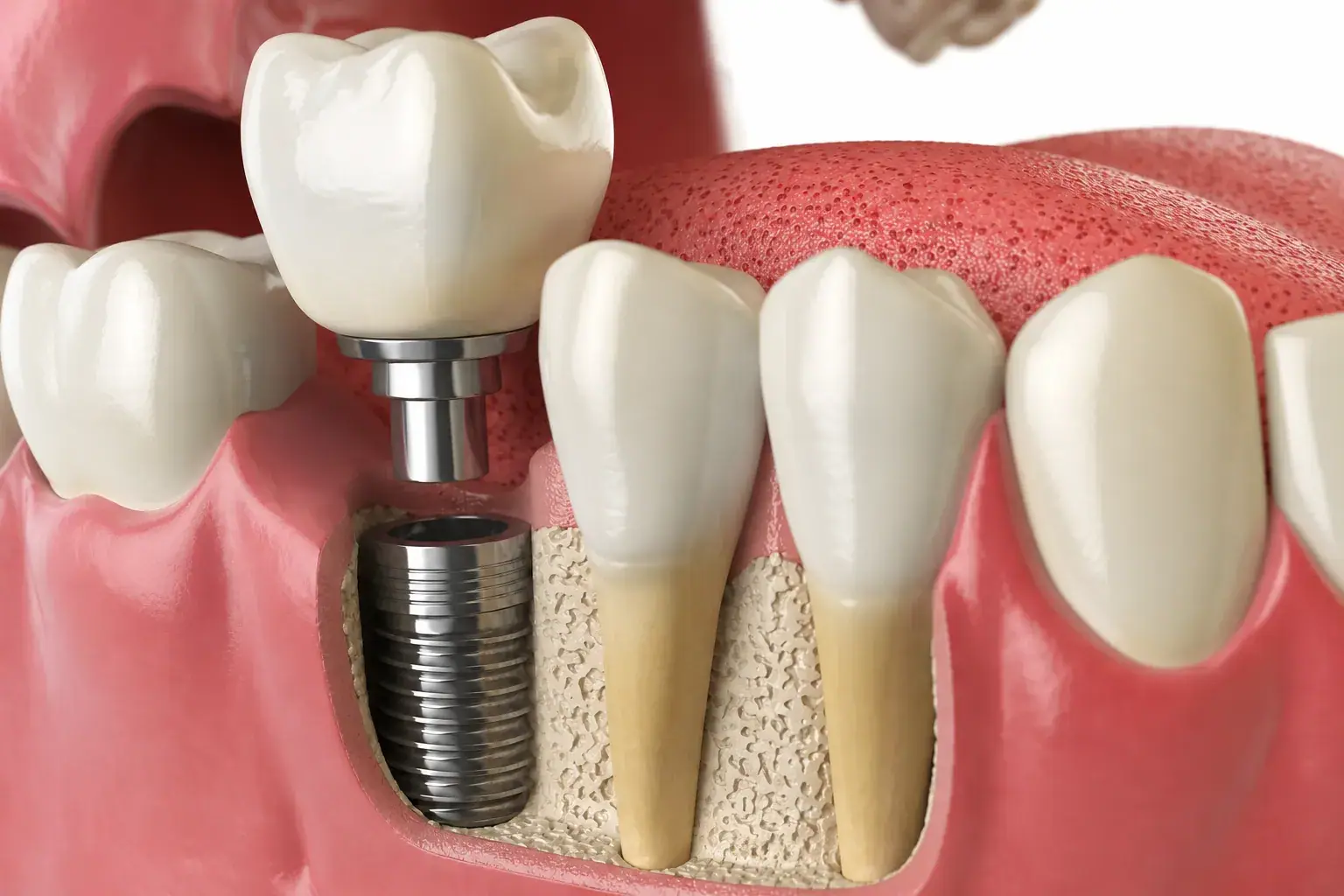
What the evidence actually says about dental implant lifespan
Dental implants are widely regarded as the most durable tooth-replacement option available today. But patients understandably want a concrete answer: how long will this actually last? The honest answer is nuanced — and worth understanding before you commit to treatment.
Long-term clinical studies, including data reviewed by the International Team for Implantology (ITI) and published in peer-reviewed journals, consistently show that implants placed in healthy bone with good oral hygiene have survival rates of over 90% at the 10-year mark, and many studies report strong outcomes at 15–20 years. Dental implant lifespan, however, is not a single fixed number — it depends on which part of the implant system you are asking about.
The implant fixture versus the crown: two different lifespans
An implant system has two main components:
- The titanium fixture (the screw embedded in your jawbone): This is the most durable element. When osseointegration — the process by which bone fuses to the titanium — is successful and maintained, the fixture can last several decades. In many patients, it lasts a lifetime.
- The prosthetic crown (the visible tooth on top): Crowns experience daily wear and are typically expected to last 10–15 years before they may need replacement, depending on materials used, bite forces, and how well the patient maintains them.
This distinction matters enormously. When someone asks about implant longevity, they may be conflating two components with very different replacement timescales.
What actually affects how long your implant lasts
The clinical literature points to several consistent factors that influence long-term outcomes.
Bone quality and density
Osseointegration is only as good as the bone supporting it. Patients with low bone density — due to age, long-term tooth loss, or systemic conditions such as osteoporosis — may require bone grafting before placement. When grafting is done well and the site heals correctly, implant longevity is not significantly compromised. Our MDS team reports that skipping the bone assessment phase is one of the most common reasons for premature implant failure.
Oral hygiene habits
Peri-implantitis — a bacterial infection around the implant site — is the leading cause of late implant failure. It is largely preventable. Brushing twice daily, using interdental brushes or floss around the implant, and attending regular professional cleanings are non-negotiable for protecting your investment. Our periodontist colleagues note that patients who keep up with maintenance visits show markedly better outcomes over time. If you would like to understand how gum disease can threaten implant stability, Gum Disease: The 7 Early Signs Most Indians Ignore offers a useful starting point.
Smoking
Smoking significantly impairs healing and increases the risk of peri-implantitis. Studies consistently show lower survival rates in smokers compared to non-smokers. This is one of the few lifestyle factors where the evidence is unambiguous.
Systemic health
Uncontrolled diabetes, certain autoimmune conditions, and long-term use of medications that affect bone metabolism (such as bisphosphonates) can all influence how well an implant integrates and survives. A thorough medical history review before placement is not optional — it is a clinical standard.
Implant placement and surgical precision
The skill and planning behind the procedure matter. Three-dimensional imaging (CBCT scans), guided surgical templates, and an MDS-qualified implantologist all contribute to correct positioning — which directly affects how well the implant functions and how long it endures. If you are curious about what happens during and after the procedure, The Dental Implant Recovery Timeline Nobody Tells You About covers the post-placement period in detail.
A note on implant warranty
Many implant manufacturers offer what is marketed as an implant warranty on the titanium fixture itself — often a lifetime guarantee against manufacturing defects. It is important to understand what this does and does not cover.
- Covered (typically): Material defects in the titanium fixture under normal conditions.
- Not covered (typically): Biological failure due to peri-implantitis, bone loss, patient non-compliance, trauma, or the prosthetic crown wearing out.
When a clinic offers an implant warranty, ask specifically what the terms are and who is responsible for honouring it if circumstances change. The implant system brand matters — established systems from manufacturers with robust clinical track records carry more weight than unfamiliar brands.
At a multi-speciality practice, the advantage is that the periodontist, implantologist, and prosthodontist can review cases together when complications arise, rather than one clinician operating in isolation.
When implants are part of a larger treatment plan
For patients replacing multiple missing teeth, or those considering a full-mouth approach, the question of dental implant lifespan becomes even more important from a planning perspective. A single implant behaves somewhat differently from an implant-supported bridge or an All-on-4 type restoration. The more complex the restoration, the more critical the planning and maintenance phases become. If you are exploring comprehensive tooth replacement, Full-Mouth Rehabilitation: When It's Worth It, and When It Isn't discusses how clinicians assess suitability.
It is also worth noting that implant costs vary considerably based on the system used, the complexity of placement, and whether preparatory procedures are needed. The Real Cost of Dental Implants in Noida — A Patient's Honest 2026 Guide breaks down what goes into pricing so you can plan with accurate expectations.
How to maximise your implant's lifespan
The following maintenance habits are consistent with current clinical guidelines:
- Brush at least twice daily using a soft-bristled toothbrush
- Use interdental brushes or implant-specific floss around the implant crown
- Attend professional cleaning appointments every six months, or as advised by your dentist
- Avoid chewing on very hard objects (ice, hard sweets, pen caps)
- Wear a night guard if you grind your teeth — bruxism places considerable stress on both the crown and the fixture
- Inform your dentist of any changes to your medications or systemic health
Patients who follow these habits consistently give their implants the best possible chance of lasting decades.
Local considerations for Noida patients
Patients in Noida and the wider NCR region often present with a mix of factors that influence implant outcomes. These include a relatively high prevalence of unmanaged diabetes in middle-aged adults, and in some cases, delayed presentation — meaning teeth have been missing for years before replacement is considered. Extended periods without a tooth can lead to bone resorption, which may require additional preparatory work before an implant can be placed.
At Dental Care Centre in Sector 78, our multi-speciality team includes MDS-qualified specialists in oral surgery, periodontics, and prosthodontics. This allows us to assess implant candidacy comprehensively — from bone volume and gum health to systemic risk factors — before a treatment plan is finalised. Patients travelling from other parts of Noida or nearby districts benefit from having specialist consultations and follow-up care consolidated in one location.
Noida's urban lifestyle factors — high stress, irregular sleep, and bruxism — are more common than many patients realise, and they directly affect implant longevity. If you grind your teeth and are considering implants, this should be part of your pre-treatment conversation.
Frequently asked questions
How long does a dental implant last on average?
The titanium fixture, when properly placed and maintained, can last 20 years or more — and in many cases, for life. The porcelain or zirconia crown on top typically needs replacement after 10–15 years due to normal wear. Dental implant lifespan varies based on individual health, habits, and maintenance compliance.
Is there a warranty on dental implants?
Many reputable implant manufacturers offer an implant warranty on the fixture against manufacturing defects, often for the lifetime of the component. However, this does not cover biological complications such as infection or bone loss, nor does it cover the prosthetic crown. Always ask your clinic to clarify the exact terms before proceeding.
Can a dental implant fail after many years?
Yes, late failure is possible, most commonly due to peri-implantitis (infection around the implant) or progressive bone loss. This is why ongoing maintenance is not optional. Early detection of gum changes around an implant can make the difference between a manageable situation and implant loss.
Does smoking really affect implant longevity that much?
The evidence is consistent: smoking impairs healing after placement and significantly increases the risk of peri-implantitis over time. Several studies report failure rates roughly two to three times higher in smokers compared to non-smokers. If you smoke, this is an important discussion to have with your implantologist before treatment.
Will my implant last as long if I need a bone graft first?
In most cases, yes. When bone grafting is done correctly and given adequate healing time before implant placement, long-term outcomes are comparable to those in patients with naturally adequate bone. The key is not skipping the assessment or rushing the healing phase.
How often should I see the dentist after getting an implant?
Clinical guidelines generally recommend a professional review every six months, which includes checking the gum tissue around the implant, the fit of the crown, and any signs of bone change on X-ray. Some patients with higher risk factors may be placed on a more frequent recall schedule.
A note from our team
This article is intended for general informational purposes only and does not constitute clinical advice. Every patient's oral health, bone structure, and medical history is different, and the information here cannot substitute for an in-person assessment by a qualified dental professional. If you are considering a dental implant or have concerns about an existing one, we encourage you to book a consultation with our team at Dental Care Centre, Sector 78, Noida, so we can evaluate your specific situation and answer your questions properly.
Free 15-minute consultation. We'll review your specific case and walk you through your options — no pressure, no upselling.
Treatments mentioned in this article
More from the Blog
All 23 articles →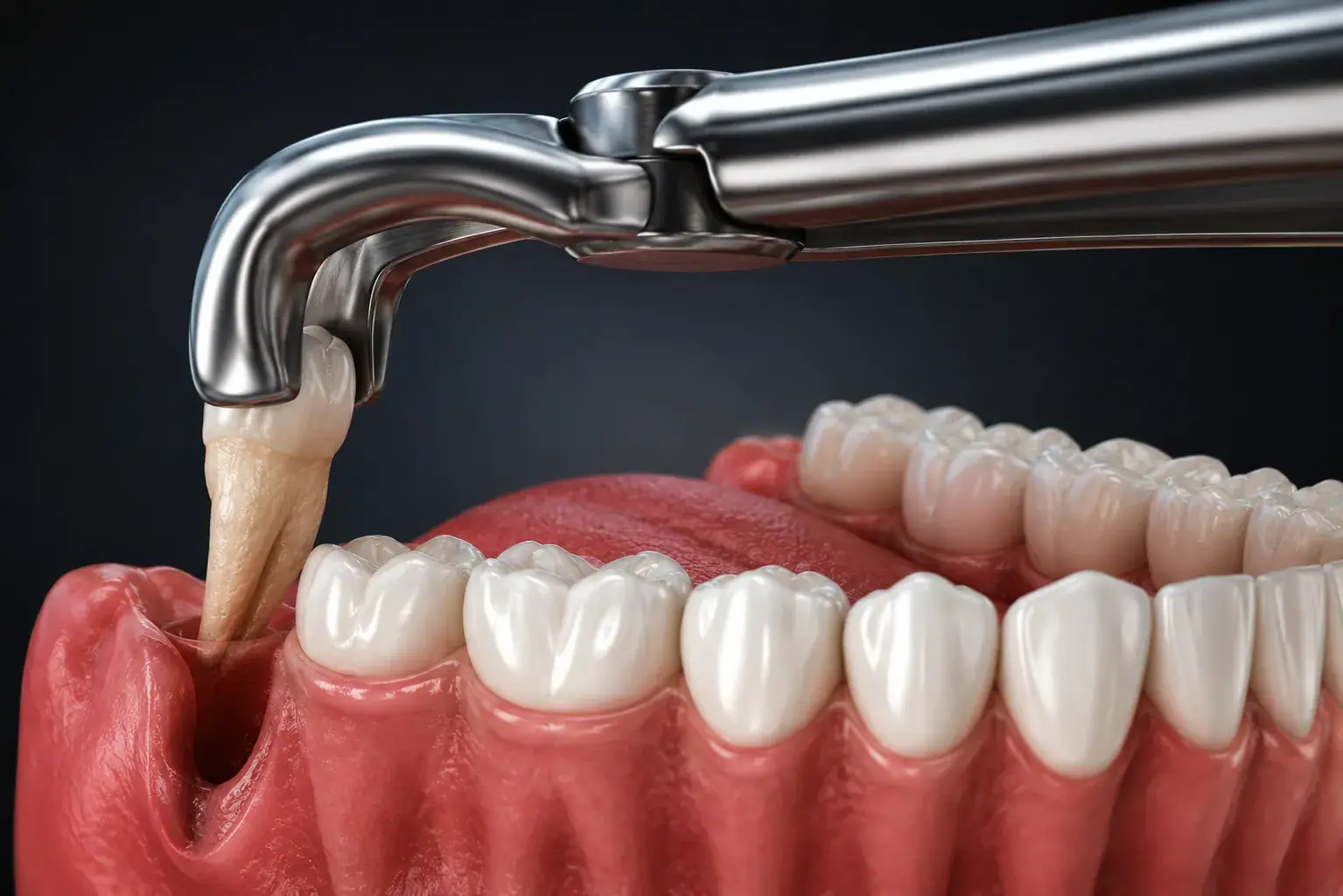
Wisdom Tooth Removal: When It's Necessary and What to Expect
Wondering whether your wisdom teeth need to come out? Learn the key symptoms, what the procedure involves, and how recovery typically unfolds.
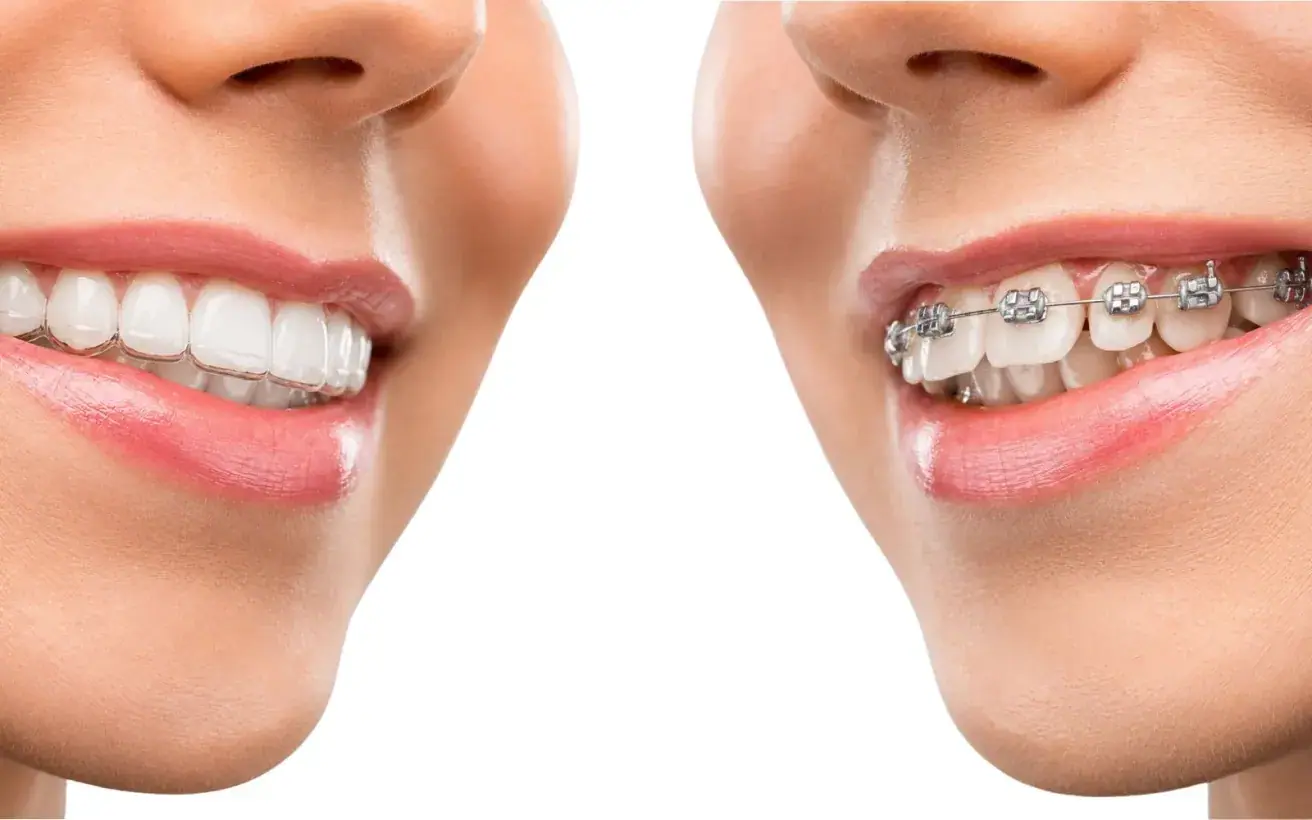
Invisalign vs Braces: Which Is Better for Adults?
Weighing Invisalign vs braces as an adult? This guide breaks down comfort, cost, effectiveness, and lifestyle impact to help you decide with confidence.
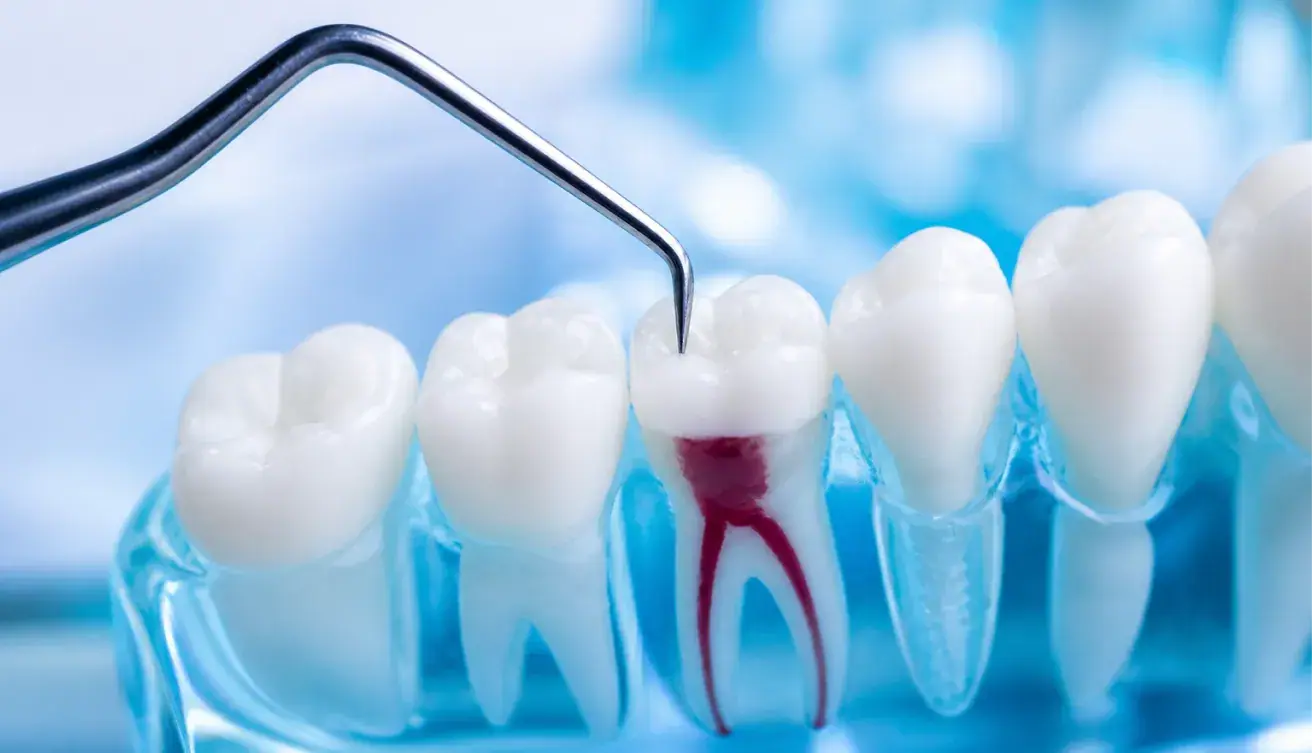
Root Canal Treatment: Myths vs Facts You Should Know
Separating RCT myths from clinical reality — so you can make an informed decision about saving your tooth without unnecessary fear.