Wisdom Tooth Removal: When It's Necessary and What to Expect

Wondering whether your wisdom teeth need to come out? Learn the key symptoms, what the procedure involves, and how recovery typically unfolds.
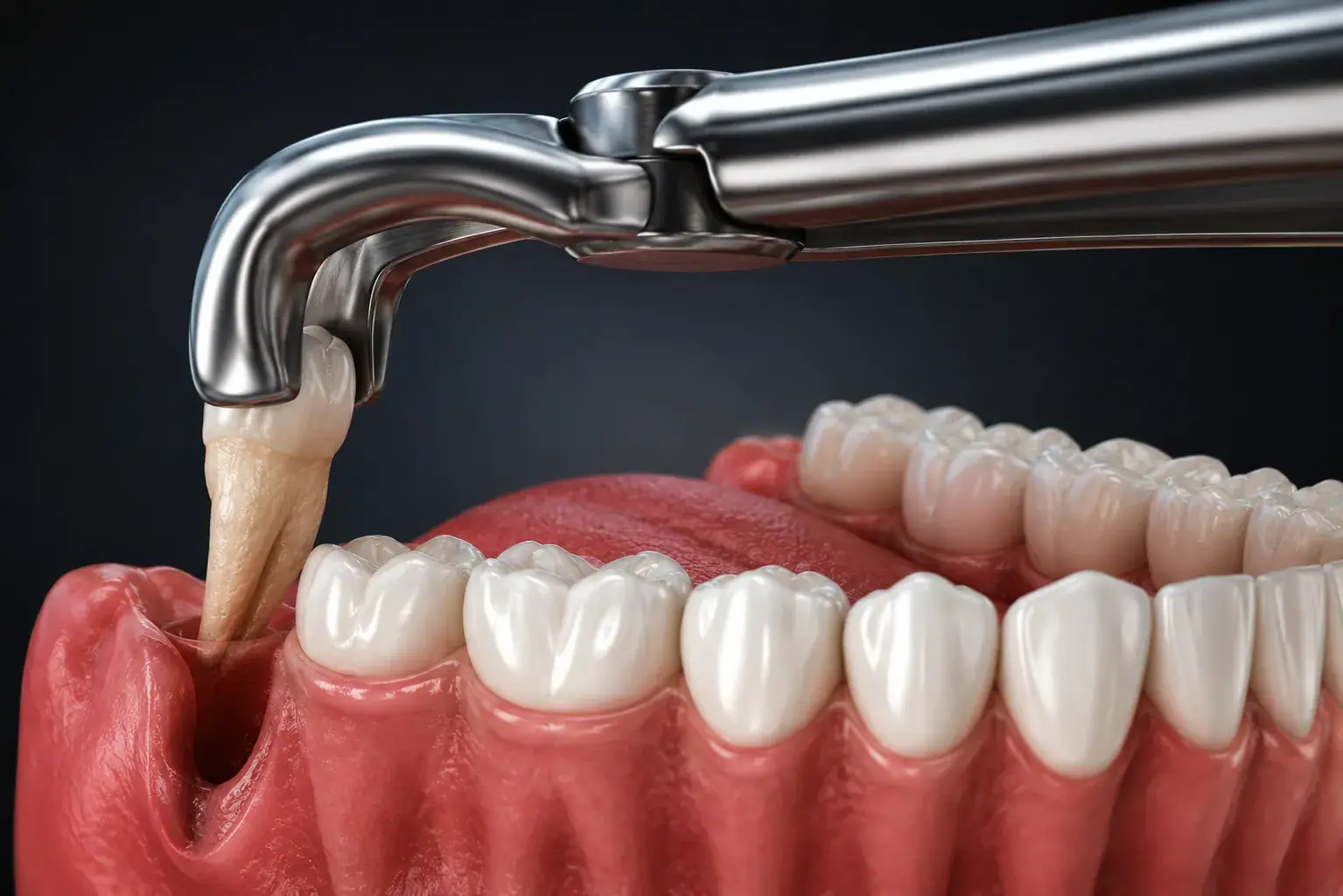
Do your wisdom teeth actually need to come out?
Not every wisdom tooth causes trouble. Some people's third molars erupt fully, align well with the rest of the dental arch, and cause no problems at all. For a significant proportion of adults, however, wisdom teeth symptoms — pain, swelling, crowding, or recurring infection — make extraction a medically sound decision rather than a casual one.
Understanding when third molar extraction is genuinely necessary, and what the process looks like from consultation to recovery, can help you approach the conversation with your dentist from a position of knowledge rather than anxiety.
Why wisdom teeth cause problems
Wisdom teeth, or third molars, are the last teeth to develop — typically emerging between the ages of 17 and 25. By this point, the jaw is usually fully formed, and there is often insufficient space for these teeth to erupt correctly.
Impaction: the root of most issues
When a tooth cannot fully break through the gum line, it is described as impacted. Impaction can be:
- Partial — the tooth has emerged partly but remains trapped beneath the gum or against the adjacent molar
- Horizontal — the tooth is lying sideways within the jawbone
- Vertical or angular — the tooth is angled in a direction that puts pressure on neighbouring teeth
Impacted wisdom teeth create a pocket between the tooth and the gum tissue. This pocket is notoriously difficult to clean and becomes a reliable site for bacterial accumulation, leading to a condition called pericoronitis — an infection of the surrounding tissue.
Common wisdom teeth symptoms to recognise
Patients often describe a cluster of symptoms before they seek help. These include:
- A dull, persistent ache at the back of the jaw, sometimes radiating towards the ear or temple
- Swelling and tenderness along the gum behind the last visible molar
- Difficulty opening the mouth fully (trismus)
- An unpleasant taste or odour suggesting infection
- Pain or pressure when biting
- Visible shifting of adjacent teeth, leading to crowding
If you notice swelling, fever, or difficulty swallowing alongside jaw pain, these may indicate a spreading infection. Our post on 8 signs you should see a dentist immediately outlines exactly when to seek same-day care rather than waiting for a routine appointment.
When is third molar extraction actually necessary?
Clinical guidelines from oral surgery bodies — including those published by the National Institute for Health and Care Excellence (NICE) and adopted as a reference framework by many Indian oral surgeons — generally support extraction when there is evidence of:
- Recurrent pericoronitis (two or more episodes)
- Cyst formation around an impacted tooth
- Damage to the adjacent second molar (resorption or decay)
- Unresolvable pain or infection
- Orthodontic treatment requirements where third molar pressure could compromise results
Conversely, a symptom-free, fully erupted wisdom tooth that can be properly cleaned does not automatically require removal. Our MDS specialists in oral and maxillofacial surgery take a conservative, evidence-based approach — the decision is always made on clinical grounds, not as a default recommendation.
What the procedure involves
Before the extraction
Your dentist will take a periapical or panoramic X-ray (OPG) to assess the tooth's position, its proximity to the inferior alveolar nerve in the lower jaw, and the degree of impaction. This imaging is essential for planning the correct approach.
You will be asked about any medications you are taking, existing health conditions, and allergies. If you are pregnant, extraction is generally deferred unless there is an acute infection that cannot be managed conservatively — our guide on pregnancy and dental care covers this in more detail.
During the procedure
Simple extractions — for teeth that have fully erupted — are performed under local anaesthesia and typically take under fifteen minutes. Surgical extractions for impacted third molars are more involved:
- Local anaesthesia is administered; sedation options may be discussed for anxious patients
- A small incision is made in the gum tissue if the tooth is partially or fully covered
- Bone may be carefully removed or the tooth sectioned into smaller pieces to facilitate removal
- The socket is cleaned, and sutures are placed if needed
The procedure itself is not painful — patients feel pressure and movement but not sharp pain. Anxiety about dental procedures is common, and if you have been putting off treatment because of it, reading about root canal pain myths may offer useful reassurance about how local anaesthesia actually works in practice.
Immediately after
- Bite gently on gauze for 30–45 minutes to help a clot form
- Avoid rinsing vigorously, spitting, or using a straw for the first 24 hours
- Apply a cold pack to the cheek in 20-minute intervals to manage swelling
- Rest for the remainder of the day
Recovery: a realistic timeline
Days 1–2: Swelling and discomfort peak. Pain is typically managed with prescribed or over-the-counter analgesics. Soft foods only — think yoghurt, mashed dal, and soups.
Days 3–4: Swelling begins to subside. Warm salt-water rinses (starting 24 hours post-extraction) help keep the socket clean.
Days 5–7: Most patients return to normal activity. Sutures (if non-dissolvable) are removed at this appointment.
Weeks 2–4: The gum tissue continues to heal. Bone remodelling in the socket takes several months, though this is not noticeable day to day.
Dry socket — where the blood clot dislodges prematurely — is the most commonly reported complication, occurring in roughly 2–5% of cases according to published oral surgery literature. It presents as intensifying pain 3–4 days after the procedure and requires prompt attention from your dental team.
Local considerations for Noida patients
Patients seeking wisdom tooth removal in Noida often come to us after months of managing recurring pain, having been uncertain whether the situation warranted intervention. At Dental Care Centre in Sector 78, our multi-speciality setup means that oral surgery, orthodontics, and restorative dentistry work in coordination — so if an extraction also has implications for tooth alignment or an adjacent restoration, the full picture is considered at the outset.
Noida's expanding residential sectors mean many younger adults — often in their early twenties and dealing with first-time wisdom teeth symptoms — are looking for accessible, clearly explained care close to home. Awareness that third molar extraction is a routine, well-established procedure (not a dramatic intervention) helps patients seek attention before a manageable problem becomes a complicated infection.
For those considering broader dental treatment at the same time as an extraction — whether addressing crowding through orthodontics or restoring adjacent teeth — our team is able to sequence treatment sensibly. It is worth noting that invisible aligners and braces sometimes factor into the decision-making around wisdom tooth extraction, particularly where third molar pressure may affect orthodontic outcomes.
Frequently asked questions
How do I know if my wisdom tooth needs to come out or if I can wait?
The decision depends on your specific clinical picture. If you are experiencing recurrent pain, swelling, or infection — or if an X-ray shows the tooth is impacted and damaging the adjacent molar — extraction is typically recommended. A one-off, mild episode without structural damage may be monitored rather than acted upon immediately. Speak with a dentist who can review imaging rather than making a decision based on symptoms alone.
Is wisdom tooth removal painful?
The procedure itself is performed under local anaesthesia and should not be painful. Post-operative discomfort is normal and is usually well-managed with standard analgesics. Most patients find the first two days the most uncomfortable, with significant improvement by day three or four. Our MDS team reports that patient anxiety beforehand is typically far greater than the discomfort experienced during or after.
At what age should wisdom teeth be removed — is earlier better?
In most cases, third molar extraction is easier in the late teens or early twenties, when the roots are not yet fully formed and the bone is somewhat less dense. That said, extraction is performed successfully at any adult age when clinically indicated. There is no universal recommendation to remove wisdom teeth prophylactically in the absence of symptoms or radiographic concern.
Can impacted wisdom teeth cause crowding of the front teeth?
This is a commonly asked question, and the relationship is less straightforward than many assume. While pressure from third molars was historically cited as a cause of incisor crowding, current evidence suggests the link is not as direct or consistent as once thought. That said, in the context of active orthodontic treatment, your specialist may advise extraction to avoid any potential interference with tooth movement.
What should I eat after wisdom tooth removal?
Soft, cool or lukewarm foods are best for the first 48–72 hours. Good choices include yoghurt, mashed vegetables, scrambled eggs, soup, and smoothies (consumed with a spoon rather than a straw). Avoid hard, crunchy, or very hot foods, and stay away from seeds or grains that can lodge in the socket. You can typically return to a normal diet once tenderness and swelling have meaningfully reduced.
Is it safe to have all four wisdom teeth removed at the same time?
In many cases, yes — removing all four simultaneously means one anaesthetic episode and one recovery period. However, this depends on the complexity of each tooth's position, your overall health, and practical considerations. Your oral surgeon will advise on whether a staged or single-visit approach is more appropriate for your situation.
A note from our team
The information in this post is intended to give you a solid foundation for understanding wisdom teeth symptoms and the third molar extraction process — it is not a substitute for a personalised clinical assessment. Every patient's anatomy, degree of impaction, and overall dental health is different. If you are experiencing jaw pain or suspect your wisdom teeth may be causing problems, we welcome you to book a consultation with our team at Dental Care Centre, Sector 78, Noida, where an MDS specialist can review your X-rays and discuss the options that make sense for your specific case.
Our doctors do free 15-minute consultations. Come in with a question, leave with a plan.
Treatments mentioned in this article
More from the Blog
All 23 articles →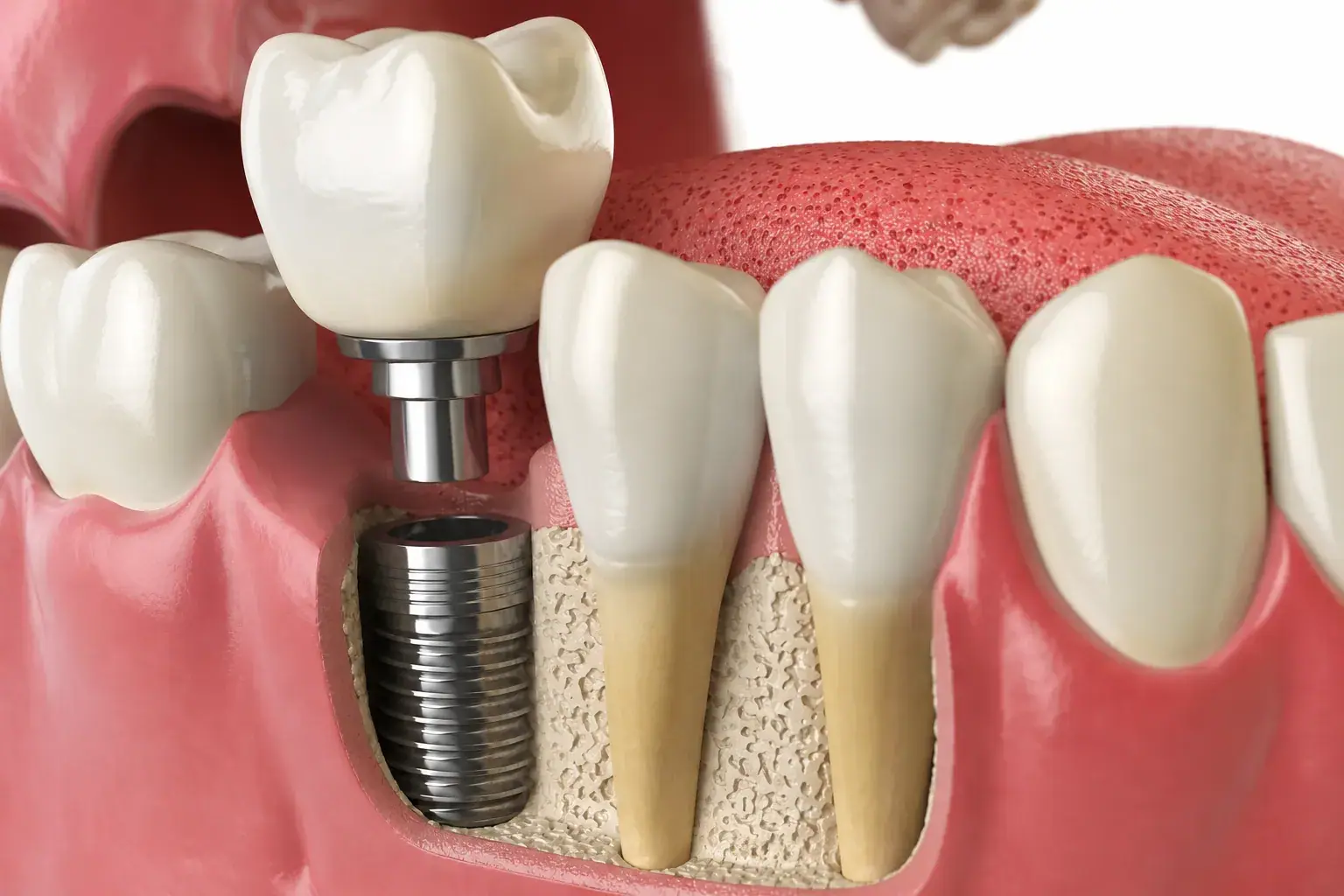
How Long Does a Dental Implant Last? An Evidence-Based Answer
Wondering how long a dental implant lasts? We break down what the clinical evidence says about implant longevity, maintenance, and what affects outcomes.
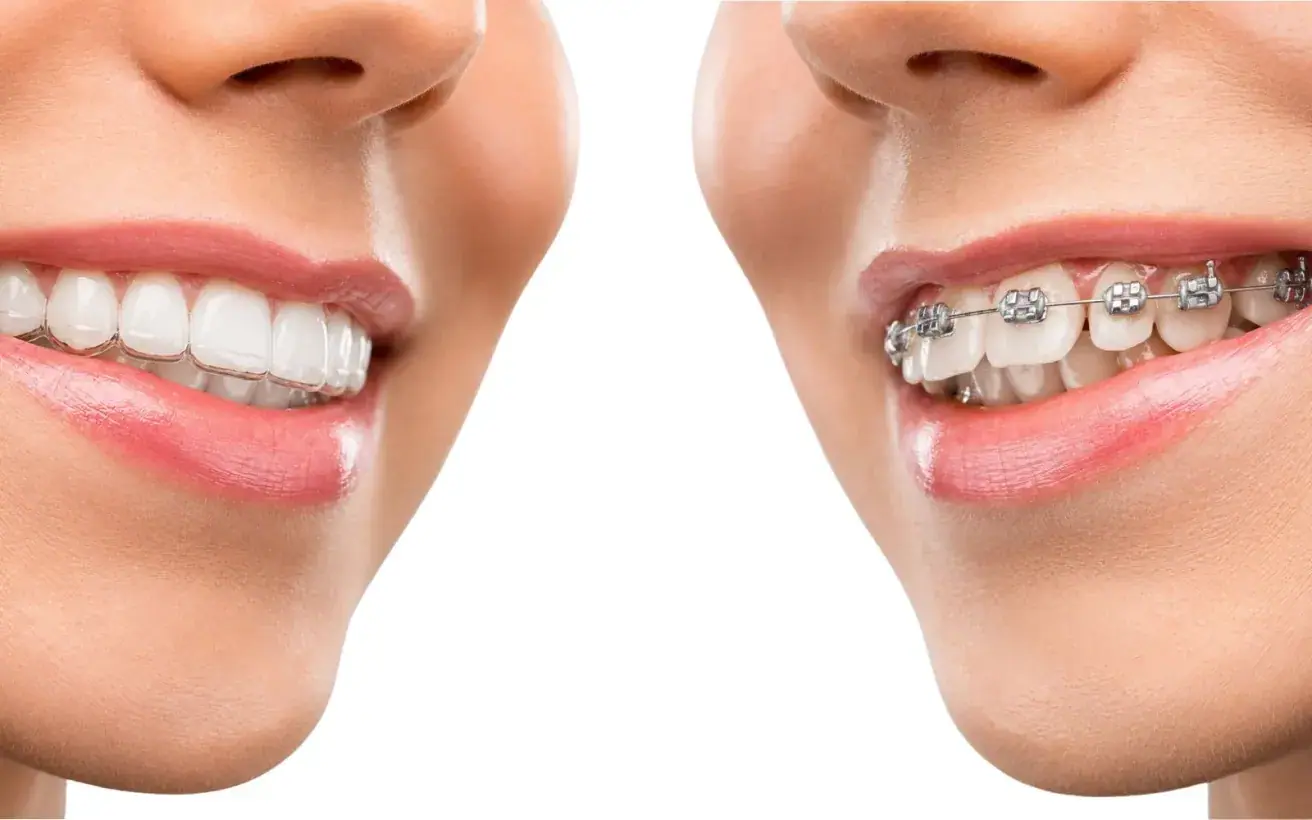
Invisalign vs Braces: Which Is Better for Adults?
Weighing Invisalign vs braces as an adult? This guide breaks down comfort, cost, effectiveness, and lifestyle impact to help you decide with confidence.
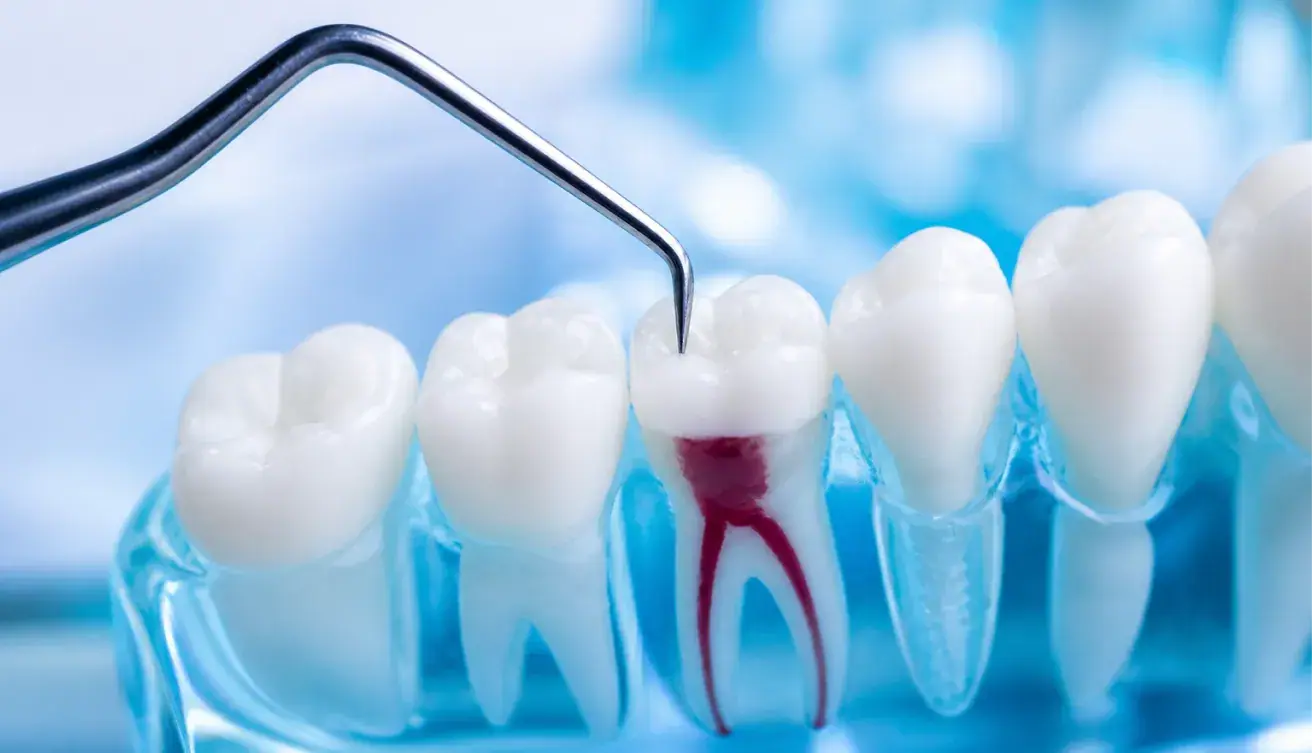
Root Canal Treatment: Myths vs Facts You Should Know
Separating RCT myths from clinical reality — so you can make an informed decision about saving your tooth without unnecessary fear.